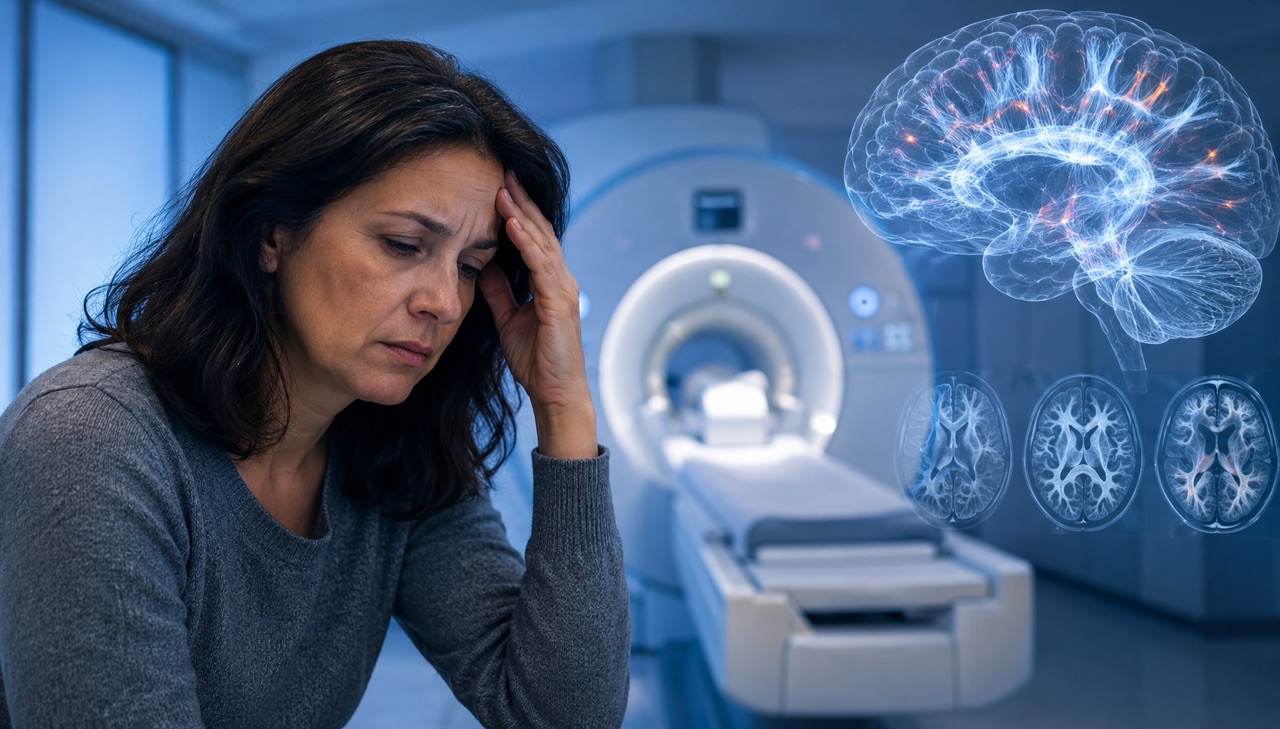
Brain Fog After an Accident: When Advanced Imaging May Be Recommended
You survived the accident. You felt okay at first. But days later, your mind feels heavy. Simple tasks feel harder. You forget things. You struggle to focus. This is brain fog, and it is one of the most common yet overlooked symptoms after an accident.
Many people assume it will pass on its own. Sometimes it does. But when it lingers, it may point to something happening inside the brain that deserves proper evaluation. Advanced imaging tools like MRI and DTI scans can help identify changes in the brain that standard tests miss.
In this blog, you will learn what post-accident brain fog means, when imaging may be recommended, and what your options are in South Florida.
What Is Brain Fog After an Accident?
Brain fog is not a formal diagnosis. It is a term people use to describe a cluster of cognitive symptoms that affect daily function. After an accident, the brain can experience physical stress even without a visible injury. This stress disrupts normal cognitive processing.
Common Brain Fog Symptoms
Patients commonly report these experiences after a car accident, fall, or sports injury:
- Difficulty concentrating on tasks at work or home
- Forgetting recent conversations or appointments
- Feeling mentally slow or detached from surroundings
- Struggling to find the right words during conversation
- Fatigue that sleep does not seem to fix
- Irritability or mood shifts without clear reason
These symptoms can appear immediately or develop over several days after the accident.
Why Accidents Cause Brain Fog
A sudden impact forces the brain to move rapidly inside the skull. This movement can strain or damage nerve fibers at a microscopic level. The brain then triggers an inflammatory response. This inflammation disrupts how brain cells communicate with each other. Adrenaline released during the accident also masks symptoms initially. Once it fades, cognitive symptoms begin to surface.
How Brain Fog Differs From Normal Post-Accident Fatigue
Feeling tired after an accident is expected. Your body has been through physical and emotional stress. Normal fatigue improves within a few days with rest. Brain fog does not follow that pattern. Brain fog tends to persist. It affects concentration, memory, and mental clarity in ways that rest alone does not resolve.
Signs Your Symptoms May Need Further Evaluation
Pay attention if any of the following apply to you after an accident:
- Brain fog symptoms last more than one to two weeks
- Symptoms worsen instead of improving over time
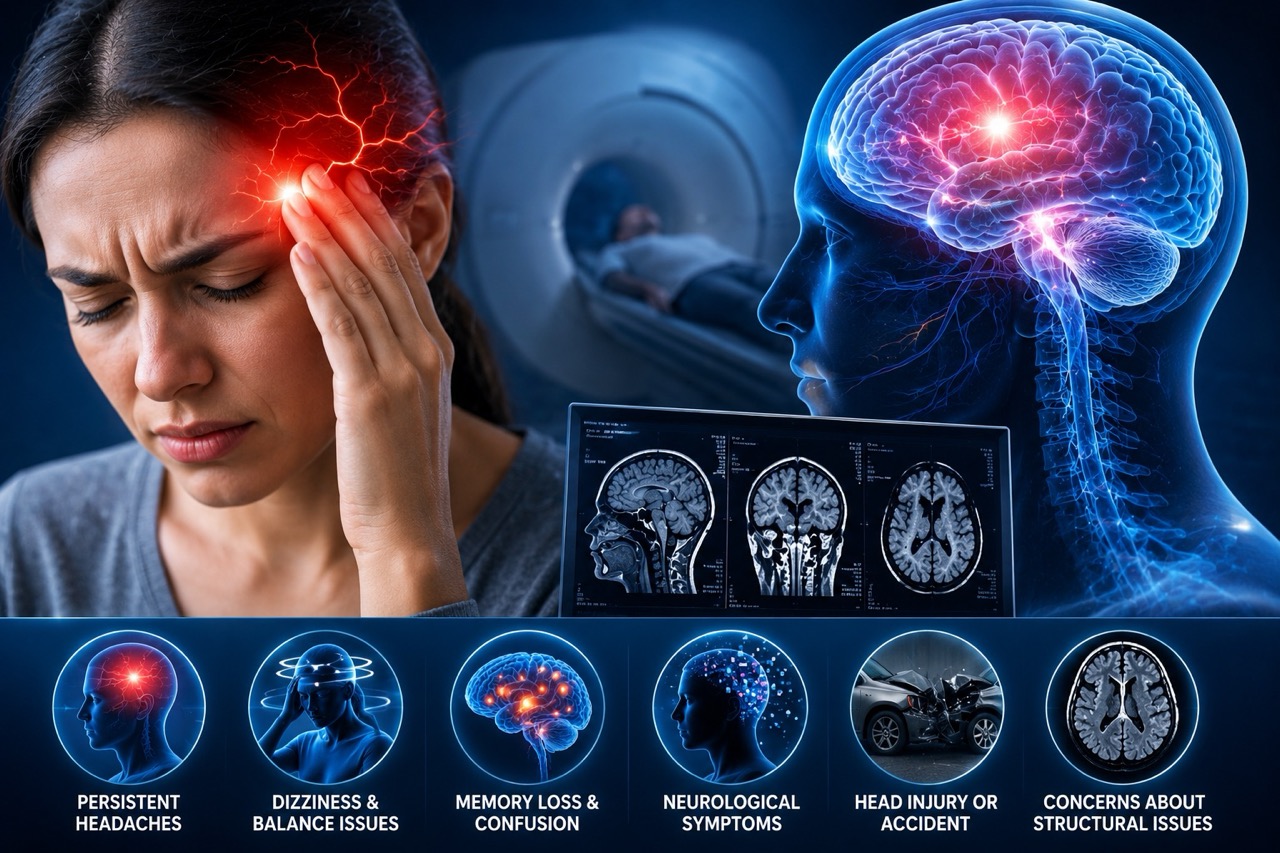
- You experience headaches, dizziness, or vision changes alongside cognitive issues
- Your daily routine feels significantly harder to manage
These patterns suggest something beyond typical post-accident fatigue. Medical evaluation becomes the appropriate next step.
What Standard Imaging May and May Not Show
After an accident, doctors often order a CT scan or standard MRI to check for structural brain damage. These tools are effective at detecting bleeding, fractures, and large structural injuries. They provide critical information in emergency situations. However, they have limits. Standard imaging is designed to find visible structural damage.
Brain fog often results from microscopic damage to nerve fibers. This type of injury does not appear on a conventional CT or MRI scan. A patient can receive a normal result and still have real neurological changes happening inside the brain. This is why persistent symptoms after a normal scan deserve further attention rather than dismissal.
When Doctors May Recommend Advanced Imaging
Advanced imaging becomes relevant when standard scans do not explain ongoing symptoms. Physicians consider it when brain fog, headaches, memory problems, or dizziness persist beyond the expected recovery window.
Diffusion Tensor Imaging (DTI)
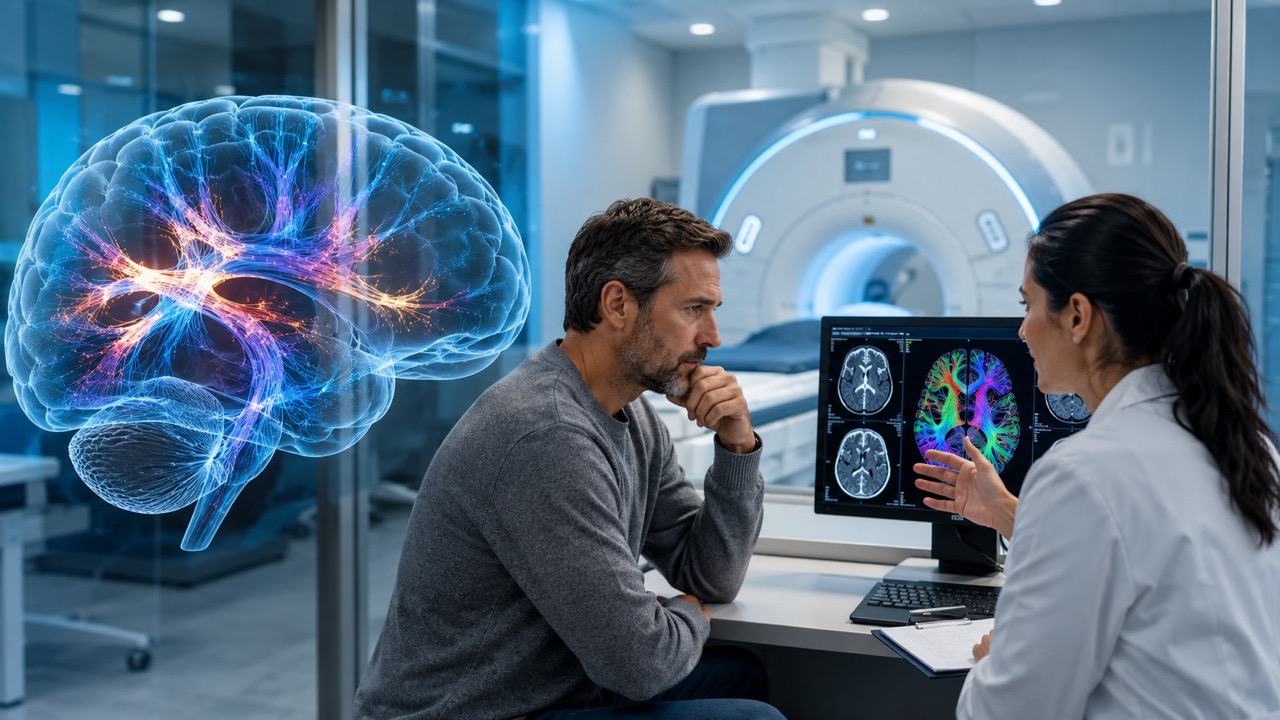
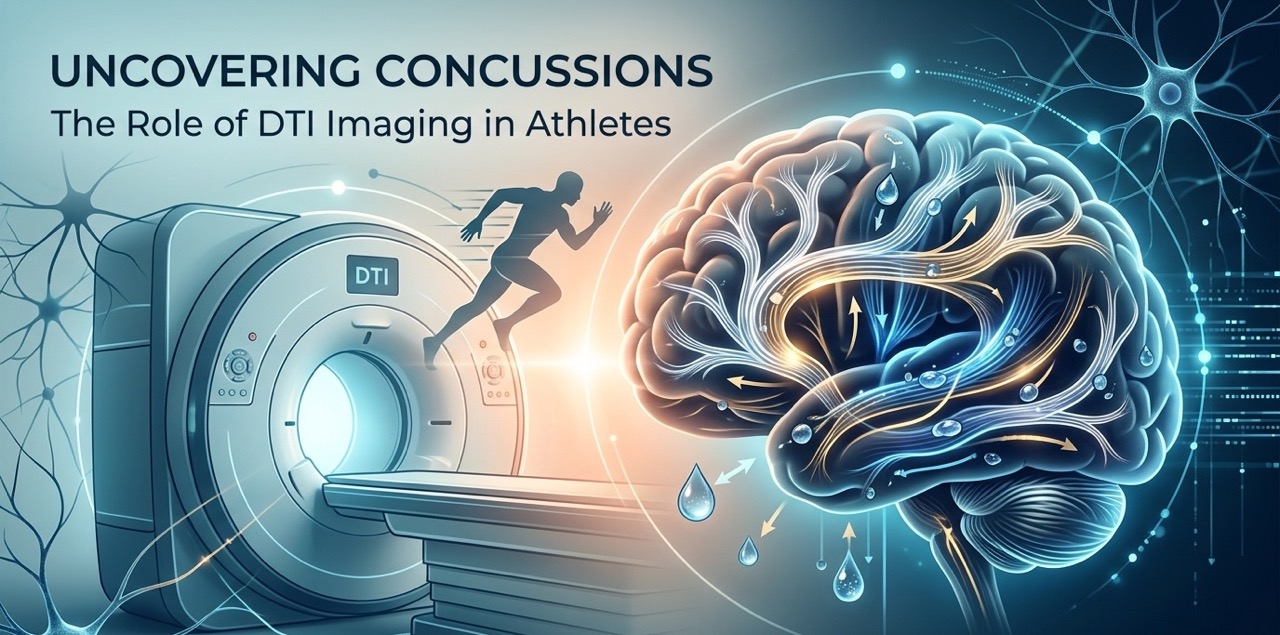
DTI is an advanced MRI technique that evaluates white matter pathways inside the brain. White matter connects different brain regions and carries the signals that support thinking, memory, and coordination. When an accident causes rapid brain movement, these pathways can sustain microscopic damage. DTI measures how water molecules move along nerve fibers. Disrupted movement patterns reveal where damage has occurred. This makes DTI particularly useful when a patient reports persistent cognitive symptoms but standard imaging shows no clear cause.
Who May Be Referred for DTI
Physicians may discuss DTI with patients who experience:
- Persistent brain fog that does not improve after several weeks
- Memory or concentration problems following a car accident, fall, or sports injury
- Ongoing dizziness or balance issues without a structural explanation
- Cognitive changes following a concussion that did not resolve as expected
DTI is not required for every accident patient. It is considered when clinical evaluation and standard imaging leave important questions unanswered.
Brain Fog After Specific Types of Accidents
Different accidents create different risks for cognitive symptoms. Understanding the connection helps patients recognize when evaluation is appropriate.
Car Accidents and Whiplash
Rear-end collisions generate rapid acceleration and deceleration forces. The brain moves inside the skull without direct head impact. This movement is enough to cause microscopic nerve fiber damage. Patients often walk away feeling fine, then develop brain fog, headaches, or memory issues within days.
Falls and Slip Injuries
A hard fall transmits force through the body to the brain. Even when the head does not hit the ground, the jolt can disrupt brain function. Older adults and athletes are particularly vulnerable to cognitive symptoms after falls.
Sports-Related Concussions
Athletes in contact sports face repeated impacts that accumulate over time. A single concussion may produce brain fog that lingers well past the expected recovery period. When cognitive symptoms persist after a sports-related concussion, advanced imaging may provide answers that clinical tests alone cannot deliver.
The Role of Early Evaluation
Waiting too long to seek evaluation after post-accident brain fog carries real risks. Early assessment gives physicians baseline information about your neurological state. It documents symptoms while they are most clearly connected to the accident. Prompt evaluation also opens the door to appropriate treatment earlier. Whether that involves physical therapy, cognitive rehabilitation, or further imaging, early action supports better recovery outcomes. If brain fog symptoms appear after any accident, speaking with a physician sooner rather than later is the right move.
Getting Advanced Brain Imaging in South Florida
Precision MRI Group provides advanced MRI services across South Florida, with DTI brain scanning available at our Cypress Creek location. Our team understands that post-accident patients need answers quickly and without added stress. We offer same-day appointments for patients who cannot afford to wait.
Reports from our board-certified radiologists are delivered within 24 to 48 hours. Evening and weekend scheduling is available to fit around your life. Free transportation is provided on request. Our staff speaks English, Spanish, and Creole to support clear communication for every patient. If your doctor has recommended advanced brain imaging, or if you are looking for more answers after a normal scan, Precision MRI Group is ready to help.
Take Your Symptoms Seriously
Brain fog after an accident is real. It deserves proper attention. If cognitive symptoms are affecting your daily life weeks after an injury, do not dismiss them. Speak with your physician about your options, including advanced imaging.
Precision MRI Group offers the technology and expertise to support your evaluation every step of the way.
Visit us at precisionmrigroup.com or call to book your appointment.
Precision MRI Group Locations:
Cypress Creek (DTI Available)
2122 NW 62nd Street, Suite 107, Ft. Lauderdale, FL 33309
Phone: (954) 677-1069, Contact: Latoya Reid (latoya@cypresscreekmri.com)
Additional Locations:
Pembroke Pines
9696 Pines Blvd., Pembroke Pines, FL 33024
Phone: (954) 391-7844, Contact: Amalia (amalia@pinesimagingcenter.com)
Lake Worth
2311 10th Ave N Suite #2 and Suite #1, Lake Worth, FL 33461
Phone: (561) 623-8346, Contact: Marisol (marisol@mriprecision.com)
Port St Lucie
879 E Prima Vista Blvd #2, Port St. Lucie, FL 34952
Phone: (772) 344-7566, Contact: Laura Schwenzer (laura@mriprecision.com)