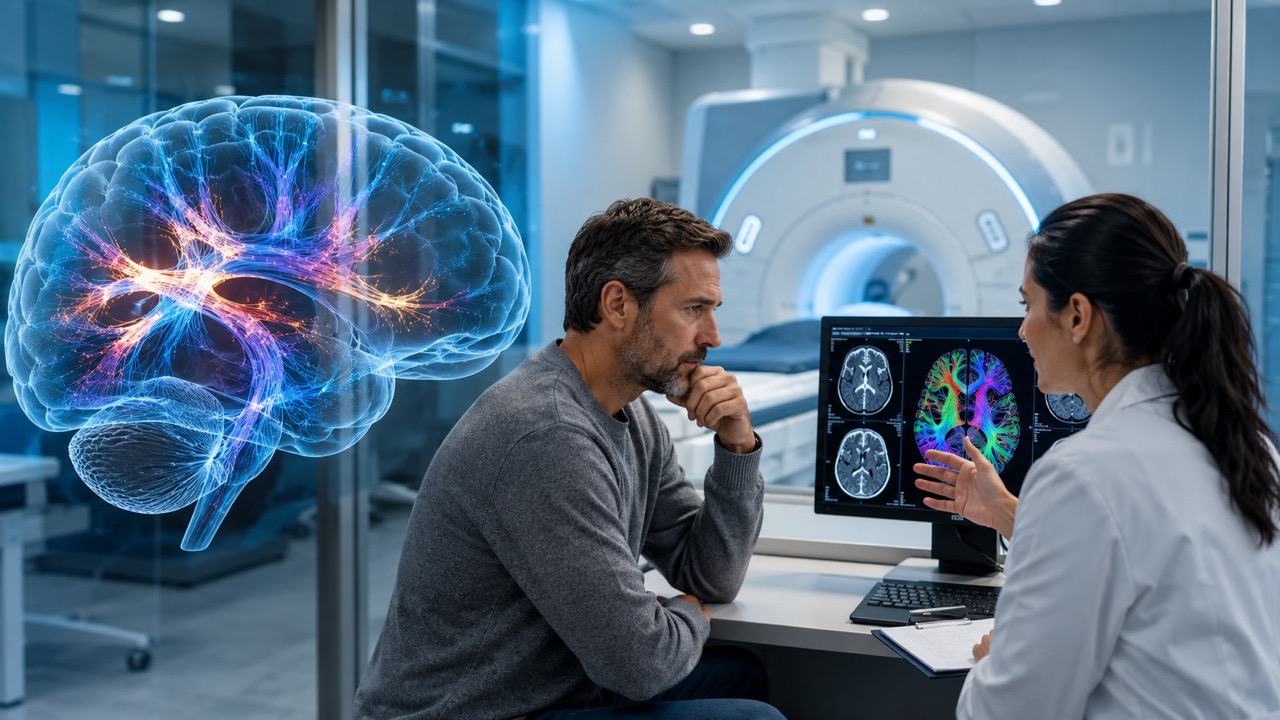

Top Reasons Doctors Order an MRI for Chronic Headaches
Chronic headaches can be exhausting and confusing. They can range from migraines to symptoms of underlying neurological conditions that need proper evaluation. When headaches are persistent, worsening, or unusual, doctors may recommend MRI imaging to get a clearer picture.
This is not something to fear. MRI is a completely non-invasive diagnostic tool that helps identify what may be driving recurring pain. It does not use radiation and causes no discomfort. It simply gives your doctor the detailed information needed to help you. So let us get into the top reasons doctors order an MRI for chronic headaches and what it means for your health.
Persistent Headaches With No Clear Cause
When a headache lasts for weeks or months without improving, it is a sign that something deeper may be happening. Doctors use MRI to look inside the brain and check for abnormalities that cannot be detected through a physical exam alone. It provides a detailed view of brain tissue, blood vessels, and surrounding structures.
MRI scans are often ordered when chronic headaches do not respond to medication or lifestyle changes. If over-the-counter treatments and rest are not helping, imaging can reveal whether an underlying structural or neurological cause is responsible for your ongoing pain.
Sudden Changes in Headache Patterns
A headache that changes character is a warning sign worth taking seriously. If your headaches are suddenly more severe, more frequent, or feel completely different from what you have experienced before, your doctor may want to investigate further. These shifts in pattern can sometimes point to neurological changes that require prompt evaluation.
Warning signs include headaches that wake you from sleep or pain that escalates rapidly within minutes. MRI imaging helps rule out serious causes like vascular abnormalities, pressure changes inside the skull, or other structural concerns that may be driving the change in your headache pattern.
Migraines Accompanied by Neurological Symptoms
A migraine alone is already difficult to manage. But when neurological symptoms appear alongside the pain, it changes the picture entirely and imaging becomes an important next step.
Doctors often use MRI scans to evaluate headaches associated with dizziness, weakness, or visual disturbances. These accompanying symptoms suggest the brain may be under stress beyond a typical migraine episode. Here are the key neurological symptoms that may prompt a doctor to recommend brain imaging:
Vision Changes or Blurred Vision
Sudden blurred vision, loss of vision in one eye, or visual disturbances during a headache are red flags. These symptoms can indicate vascular involvement or pressure on the optic nerve. An MRI helps doctors evaluate whether a structural or neurological issue is causing these visual changes alongside your headache.
Numbness or Tingling
Numbness or tingling in the face, hands, or limbs during a headache is not a typical migraine symptom. It may indicate nerve compression, a lesion, or circulatory changes in the brain. MRI provides the detail needed to determine whether these sensations are linked to an identifiable structural cause that requires medical attention.
Balance or Speech Difficulties
Struggling to walk steadily or finding it hard to speak clearly during a headache episode is a serious warning sign. These symptoms suggest the brain regions responsible for coordination and language may be affected. MRI imaging can identify whether a lesion, vascular issue, or other abnormality is contributing to these neurological disturbances alongside your chronic headaches.
Headaches After a Car Accident or Head Injury
Headaches that develop after a car accident or head injury should never be dismissed as routine. These headaches may signal traumatic brain injury, bleeding inside the skull, or structural damage that is not visible from the outside. MRI provides the detailed soft-tissue imaging needed to detect these injuries accurately.
In some cases, advanced imaging like DTI may also be used for concussion evaluation. DTI maps white matter pathways in the brain and can detect microscopic nerve damage that standard MRI cannot see.
For patients in South Florida seeking MRI after auto accidents, Precision MRI Group offers same-day appointments and fast turnaround times to support timely diagnosis and treatment following trauma.
Concerns About Brain Tumors or Structural Abnormalities
It is important to know that most chronic headaches are not caused by tumors. However, when symptoms are persistent or unusual, imaging helps doctors confirm this and rule out serious conditions. MRI is one of the most effective imaging tools for detecting structural brain abnormalities. It captures detailed images of brain tissue, surrounding membranes, and blood vessels with exceptional clarity.
This level of detail allows radiologists to identify masses, cysts, or other structural changes that may be putting pressure on surrounding brain tissue. Getting this information early gives doctors and patients the clarity they need to move forward with confidence and an appropriate treatment plan.
Chronic Headaches With Dizziness or Memory Problems
When chronic headaches come paired with dizziness, memory changes, or coordination problems, the combination raises important neurological questions. Confusion or difficulty remembering recent events alongside persistent headaches can point to conditions affecting multiple brain systems. These symptoms together suggest that imaging is needed to evaluate what is happening inside the brain more thoroughly.
Early diagnosis in these cases is especially valuable. Identifying the cause of combined neurological symptoms sooner allows doctors to intervene before the condition worsens. MRI provides the comprehensive brain view needed to connect symptoms to a specific cause and guide effective treatment planning from the start.
Family History of Neurological Disorders
Your family history plays a meaningful role in how your doctor approaches your headache evaluation. If close relatives have experienced brain aneurysms, stroke, multiple sclerosis, or other neurological conditions, your doctor may recommend MRI imaging even without severe symptoms. This is a preventative step designed to establish a baseline and identify any early signs of conditions that may run in your family.
Monitoring through imaging is especially important for patients with known genetic risk factors. Regular evaluation allows doctors to detect changes early, intervene at the right time, and manage neurological health proactively rather than waiting for symptoms to become severe.
When MRI Is Preferred Over Other Imaging Tests
Not all brain imaging tools are created equal. Understanding the difference helps you make informed decisions about your care. MRI consistently stands out as the preferred choice for evaluating chronic headaches because of its detail, safety, and versatility.
Here is how it compares and why it is often the better option:
MRI vs CT Scan for Headaches
CT scans are fast and useful in emergencies, particularly for detecting bleeding or fractures. However, they use radiation and offer less detail for soft tissue evaluation. MRI provides far superior imaging of brain tissue, white matter, and blood vessels without any radiation exposure, making it the preferred tool for chronic headache evaluation outside of emergency settings.
Benefits of MRI for Brain Imaging
MRI is often preferred for chronic headache evaluation because it provides detailed brain imaging without radiation exposure. It captures high-resolution images of soft tissue that CT scanning simply cannot match. It is also highly flexible, allowing radiologists to focus on specific brain regions or use advanced protocols like DTI when deeper evaluation of nerve pathways is needed.
What to Expect During a Headache MRI
Walking into an MRI appointment can feel intimidating if you do not know what to expect. The reality is much simpler and more comfortable than most patients imagine.
The scan typically takes between 30 and 60 minutes depending on the imaging protocol your doctor has requested. In some cases, a contrast dye may be injected to help highlight specific brain structures or blood vessels. Your doctor will let you know in advance whether contrast is needed for your scan.
You will lie on a padded table that slides into the MRI machine. The process is painless and non-invasive. You will hear a series of knocking sounds during the scan, which is completely normal. Staying still is the most important thing you can do to ensure clear, accurate images.
At Precision MRI Group, our team communicates with you throughout the process to ensure your comfort. Flexible scheduling including late evenings and weekends means you can find a time that works for your life.
When to Talk to a Doctor About Chronic Headaches
Your headache may feel ordinary. But some symptoms are signals your body is sending that deserve medical attention right away. Do not wait and hope these warning signs go away on their own. Here are the symptoms that should prompt a conversation with your doctor as soon as possible:
- A sudden, severe headache that feels like the worst of your life
- Vision problems including blurred or double vision
- Weakness in the arms, legs, or face
- Persistent vomiting that accompanies your headache
- Confusion or difficulty thinking clearly
- Headaches that develop after any type of head trauma or accident
Timely evaluation gives your doctor the information needed to rule out serious conditions and begin the right treatment plan for you.
Do Not Ignore What Your Head Is Telling You
Most headaches are not life-threatening. But persistent or unusual symptoms should always be properly evaluated and never brushed aside. MRI helps doctors identify or rule out underlying causes accurately, safely, and without radiation. It gives both patients and physicians the clarity needed to make informed decisions.
If your doctor has recommended imaging, do not delay. Schedule your advanced MRI today at Precision MRI Group and take the first step toward real answers and lasting relief.
Precision MRI Group Locations:
Cypress Creek (DTI Available)
2122 NW 62nd Street, Suite 107, Ft. Lauderdale, FL 33309
Phone: (954) 677-1069, Contact: Latoya Reid (latoya@cypresscreekmri.com)
Additional Locations:
Pembroke Pines
9696 Pines Blvd., Pembroke Pines, FL 33024
Phone: (954) 391-7844, Contact: Amalia (amalia@pinesimagingcenter.com)
Lake Worth
2311 10th Ave N Suite #2 and Suite #1, Lake Worth, FL 33461
Phone: (561) 623-8346, Contact: Marisol (marisol@mriprecision.com)
Port St Lucie
879 E Prima Vista Blvd #2, Port St. Lucie, FL 34952
Phone: (772) 344-7566, Contact: Laura Schwenzer (laura@mriprecision.com)