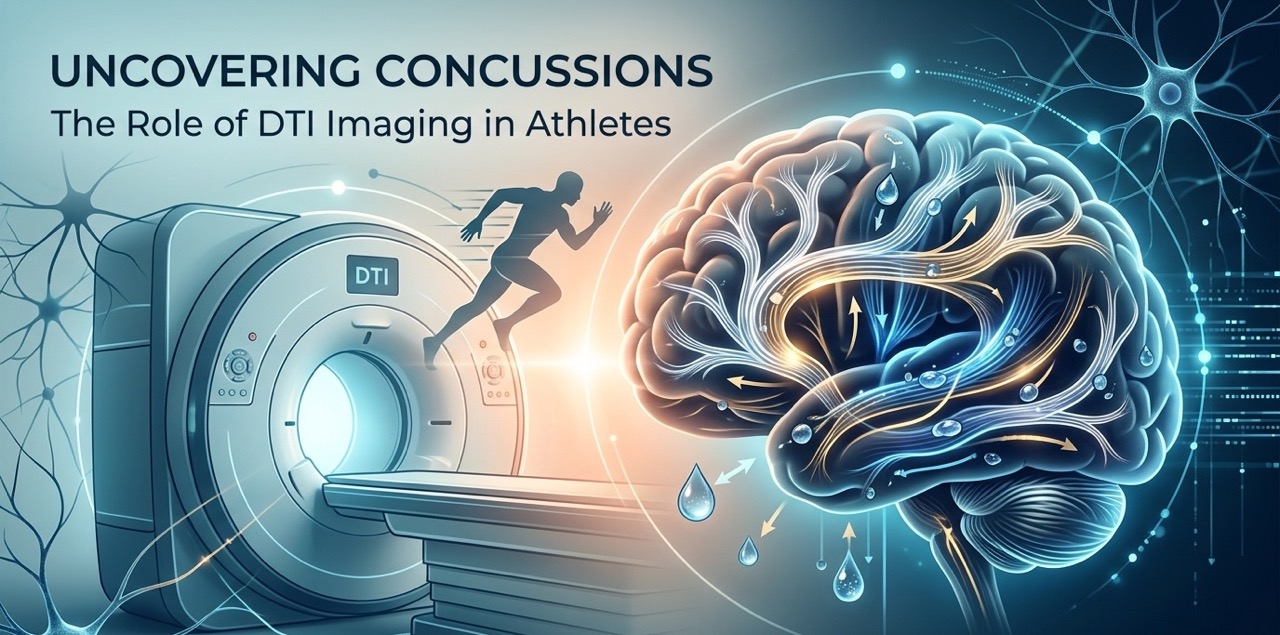
The Role of DTI in Evaluating Sports-Related Concussions
Sports-related concussions affect athletes at every level, from youth leagues to professional teams. Many athletes continue experiencing symptoms long after their initial injury, even when standard imaging appears completely normal. This gap between symptoms and scan results leaves patients and doctors without clear answers.
Diffusion Tensor Imaging, known as DTI, is an advanced MRI technique that evaluates brain changes linked to concussion and mild traumatic brain injury. It goes beyond what conventional scans can detect. These findings support better diagnosis, more targeted treatment planning, and smarter recovery monitoring for athletes who need real answers.
In this blog, you will learn how DTI works, who benefits from it, and why it matters for sports concussion care.
What Is a Sports-Related Concussion?
A sports-related concussion is a mild traumatic brain injury caused by a sudden blow or jolt to the head or body. It disrupts normal brain function and can affect thinking, memory, balance, and mood. Concussions do not always cause a loss of consciousness. Even a single event can produce symptoms that last days, weeks, or longer without proper evaluation and care.
How Concussions Occur During Sports Activities
Concussions happen when a force causes the brain to move rapidly inside the skull. Direct head impacts, body collisions, and sudden deceleration all trigger this movement. Athletes in contact sports face this risk on every play. Even non-contact sports carry concussion risk from falls, collisions with equipment, or unexpected impacts during competition.
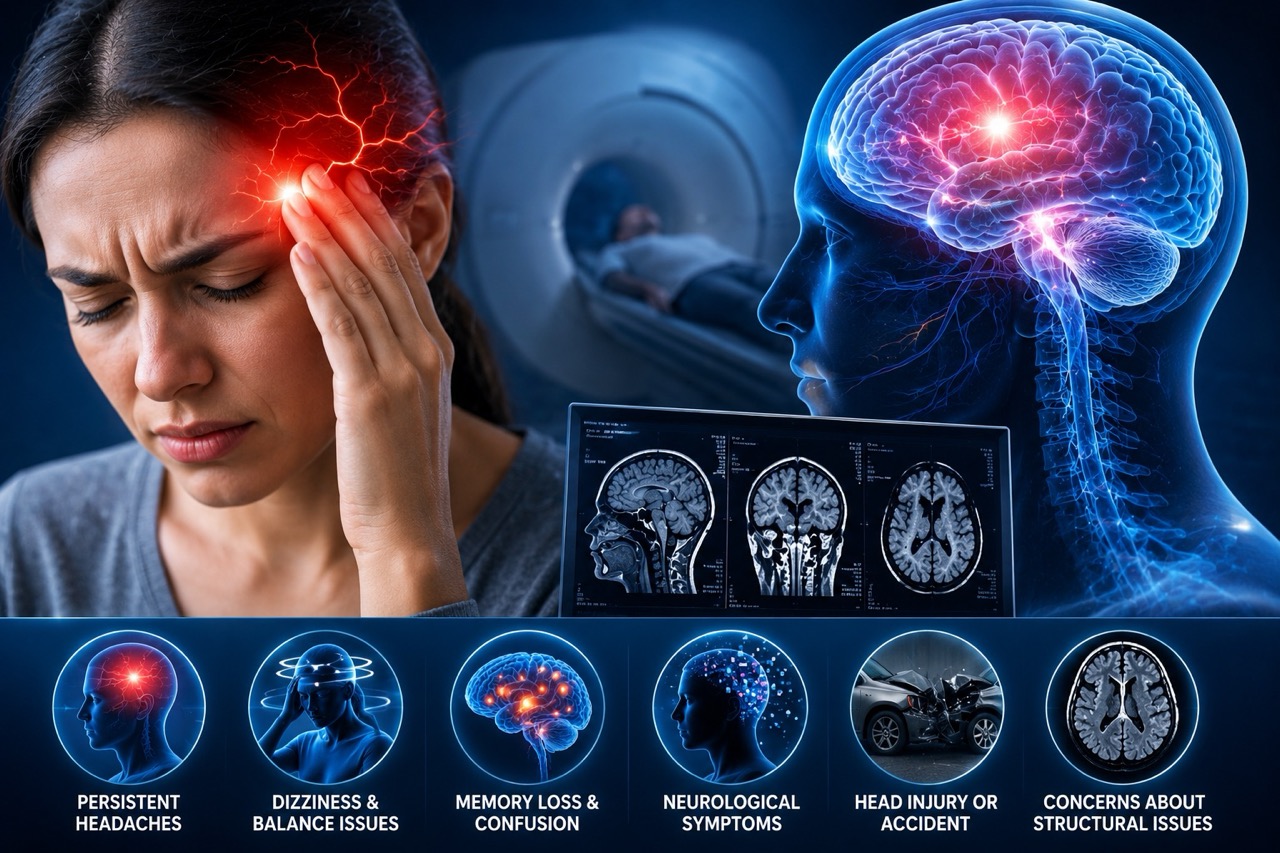
Common Symptoms Athletes Experience
Athletes with concussions often report a range of symptoms that can interfere with performance and daily life:
- Headaches that worsen with physical or mental activity
- Dizziness and difficulty maintaining balance
- Brain fog and a feeling of mental slowness
- Memory issues and trouble retaining new information
- Sensitivity to light and noise in normal environments
- Balance problems that affect movement and coordination
Why Concussions Can Be Difficult to Evaluate
Concussion symptoms vary significantly from one athlete to the next. No two injuries present the same way, which makes evaluation genuinely challenging. Some athletes report severe symptoms after a minor impact. Others feel relatively fine after a significant collision, only to develop problems days later. This inconsistency makes clinical judgment difficult without supporting imaging data.
A major challenge is that many athletes show persistent symptoms despite normal CT scans or conventional MRI findings. Standard imaging detects structural damage but misses microscopic nerve fiber disruption. This is exactly where comprehensive neurological evaluation, supported by advanced imaging, becomes essential for accurate diagnosis.
DTI Can Detect Changes in Brain White Matter
White matter is the brain’s internal communication network. It consists of millions of nerve fibers that carry signals between different brain regions. These pathways support thinking, movement, memory, and emotional regulation.
When a concussion occurs, the rapid movement of the brain can stretch, strain, or damage these fibers at a microscopic level. This disruption affects how efficiently the brain communicates internally.
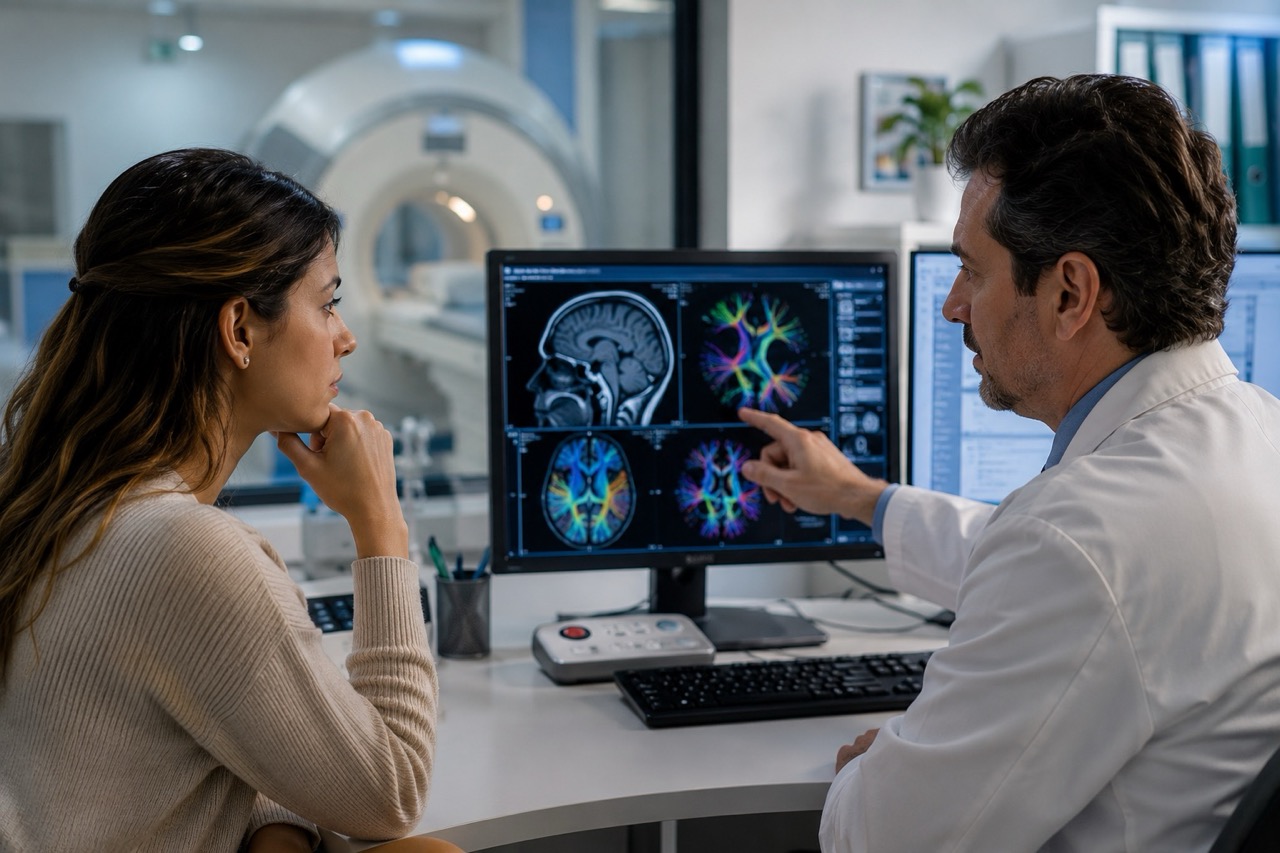
DTI measures how water molecules move along these nerve fiber pathways. Healthy fibers allow organized, directional movement. Damaged fibers disrupt that flow in measurable ways. DTI captures these disruptions and maps where brain connectivity has been affected, revealing injuries that standard MRI cannot see.
DTI May Help Evaluate Persistent Post-Concussion Symptoms
When symptoms persist well beyond the expected recovery window, DTI provides an additional layer of diagnostic information. It is used alongside clinical evaluation, neurological assessments, and other diagnostic tools to build a complete picture of brain health.
Ongoing Headaches
Persistent headaches after a sports concussion may indicate disrupted nerve pathways in regions of the brain responsible for pain regulation. DTI can identify white matter changes in these areas. This information helps clinicians understand why headaches continue and guides more targeted treatment approaches for athletes who are not recovering on the expected timeline.
Memory and Concentration Problems
Difficulty remembering plays, instructions, or recent events after a concussion points to disruption in the brain’s cognitive networks. DTI evaluates the integrity of pathways that support memory formation and attention. Identifying damage in these specific circuits helps medical teams develop recovery strategies that address the neurological basis of cognitive symptoms rather than treating them in isolation.
Balance and Coordination Difficulties
Balance relies on seamless communication between the brain, spinal cord, and sensory systems. When white matter pathways supporting this coordination are damaged, athletes struggle with stability and movement accuracy. DTI can locate disruptions in the neural circuits responsible for motor control. This gives treating physicians specific information about which brain regions need attention during rehabilitation.
Cognitive Changes
Slower processing speed, difficulty with decision-making, and changes in mental sharpness are common post-concussion complaints. These cognitive shifts often reflect damage to white matter tracts that support higher-level brain function. DTI evaluates these tracts directly. Findings help neurologists and sports medicine specialists understand the neurological basis of cognitive decline and adjust recovery protocols appropriately.
DTI Provides More Detail Than Conventional MRI in Certain Cases
Conventional MRI excels at detecting structural abnormalities like tumors, bleeding, or large lesions. It produces clear images of brain anatomy and identifies visible damage with high accuracy. DTI operates differently. Rather than imaging brain structure, it evaluates white matter integrity and the quality of neural connectivity throughout the brain. This distinction matters enormously in concussion cases.
Microscopic damage to nerve fibers does not appear on conventional MRI. DTI detects it by measuring directional water diffusion along fiber pathways. For athletes whose standard scans appear normal but symptoms persist, DTI fills the diagnostic gap and provides the detail needed for a more complete evaluation.
Athletes Who May Benefit From DTI Imaging
DTI is not necessary for every concussion. However, certain athletes and clinical situations make advanced imaging the right next step. If symptoms are persisting, worsening, or failing to respond to standard recovery protocols, DTI gives clinicians the additional information they need to move forward effectively.
Here are the groups most likely to benefit from DTI evaluation:
Contact Sport Athletes
Athletes in high-impact sports face repeated exposure to collision forces that put white matter at risk. Football, soccer, hockey, basketball, and combat sports athletes sustain frequent impacts that can accumulate over time. DTI helps evaluate whether single or repeated concussive events have produced measurable changes in brain connectivity that standard imaging would not detect.
Athletes With Multiple Concussions
Each concussion carries risk, but repeated concussions raise concerns about cumulative brain changes. Athletes who have experienced more than one concussion may have compounding white matter disruption that affects recovery and long-term brain health. DTI provides a detailed look at whether prior injuries have affected neural pathways in ways that influence current symptoms and return-to-play decisions.
Individuals With Prolonged Recovery Symptoms
Most concussion symptoms resolve within a few weeks. When they do not, it signals something more complex may be happening inside the brain. Athletes still experiencing headaches, cognitive fog, or balance issues beyond the expected recovery period deserve thorough evaluation. DTI can identify persistent white matter changes that explain why recovery has stalled and what areas of the brain need targeted support.
Patients Referred by Neurologists or Sports Medicine Specialists
When neurologists or sports medicine physicians need objective imaging data to support clinical decisions, DTI delivers it. Referrals often come when symptoms do not align with standard imaging findings. DTI provides the supplementary detail that helps specialists confidently diagnose post-concussion syndrome, guide treatment, and document brain changes for ongoing medical management across a wide range of sports including football, soccer, hockey, basketball, and combat athletics.
The Importance of Early Brain Injury Assessment After a Sports Concussion
Acting quickly after a concussion improves outcomes. Early evaluation gives medical teams the information they need to design the right recovery plan from the start. Delayed assessment increases the risk of returning to activity before the brain has healed. This can worsen existing damage and raise the likelihood of a second injury during the vulnerable recovery window.
Monitoring symptoms over time and following medical recommendations are both essential steps. Every concussion deserves serious attention, regardless of how mild it may seem at first. Timely imaging, including DTI when appropriate, gives athletes and their care teams a clearer path forward based on objective findings.
What to Expect During a DTI Scan
Many patients feel uncertain before their first DTI scan. Knowing what the process involves makes the experience far less stressful and helps athletes feel prepared.
Here is a clear look at what happens from start to finish:
How the Scan Works
DTI is performed using advanced MRI technology. The scanner measures how water molecules move along nerve fiber pathways inside the brain. This movement data is used to construct detailed maps of white matter integrity and brain connectivity. The process captures information that no other imaging technique currently provides at this level of detail.
How Long the Procedure Takes
A DTI scan typically takes between 45 and 75 minutes depending on the imaging protocol used. Some sessions may be slightly shorter or longer based on the specific areas being evaluated. Patients are informed of the expected duration before the scan begins so they can plan their visit without uncertainty about timing.
Patient Comfort During Imaging
The procedure is completely non-invasive and painless. Patients lie on a padded table that slides into the MRI machine. You will hear intermittent knocking sounds during the scan, which is normal. Staying as still as possible produces the clearest images. Our team communicates with patients throughout the scan to ensure comfort and answer any questions that arise.
Receiving Results
Board-certified radiologists review DTI findings and prepare detailed reports. At Precision MRI Group, results are typically delivered within 24 to 48 hours. Your referring physician receives the report and reviews findings with you. These results become part of a broader clinical evaluation that guides diagnosis, treatment planning, and recovery decisions.
How DTI Supports Return-to-Play Decisions
Returning to sport too soon after a concussion is one of the most dangerous decisions an athlete can make. Medical clearance must be based on a full picture of brain health, not just symptom resolution. DTI findings contribute to that picture alongside neurological assessments, symptom tracking, and physician evaluation.
Together, these tools give medical teams the evidence they need to make informed return-to-play decisions. Athlete safety depends on this process. Long-term brain health is more valuable than any single game or season. DTI gives coaches, physicians, and athletes objective data to support the right decision at the right time.
Why Advanced Imaging Matters for Long-Term Brain Health
Repeated head impacts over an athletic career raise legitimate concerns about cumulative brain changes. Research into conditions linked to repeated concussive trauma has brought significant attention to long-term neurological health in contact sport athletes.
Advanced imaging helps establish what is actually happening in the brain after injury. It moves evaluation beyond symptoms alone and into objective, measurable data about white matter health and connectivity. For athletes, parents, coaches, and healthcare providers, this level of detail supports smarter decisions about participation, recovery, and long-term brain care. DTI plays a specific and valuable role in that process.
When to Seek Medical Evaluation After a Sports Concussion
A concussion is a medical event, not something to push through. Any athlete showing signs of brain injury should be removed from play immediately.
Seek medical evaluation right away if any of the following symptoms are present after a head impact or collision:
- Loss of consciousness, even briefly
- Persistent headaches that worsen over time
- Repeated vomiting after the injury
- Memory loss or inability to recall the event
- Balance issues that affect normal movement
- Vision changes including blurred or double vision
- Any symptoms that worsen rather than improve over time
Early evaluation protects both short-term recovery and long-term brain health.
Every Concussion Deserves Expert Evaluation
Proper concussion assessment is not optional. It is essential for every athlete at every level of competition. DTI provides additional insight into brain health and white matter pathways that standard imaging simply cannot offer. For athletes, parents, coaches, and healthcare providers, this information supports better decisions and safer outcomes.
Do not wait for symptoms to escalate. Schedule advanced MRI and DTI imaging at Precision MRI Group and get the answers needed to protect your brain and your future in sport.
Precision MRI Group Locations:
Cypress Creek (DTI Available)
2122 NW 62nd Street, Suite 107, Ft. Lauderdale, FL 33309
Phone: (954) 677-1069, Contact: Latoya Reid (latoya@cypresscreekmri.com)
Additional Locations:
Pembroke Pines
9696 Pines Blvd., Pembroke Pines, FL 33024
Phone: (954) 391-7844, Contact: Amalia (amalia@pinesimagingcenter.com)
Lake Worth
2311 10th Ave N Suite #2 and Suite #1, Lake Worth, FL 33461
Phone: (561) 623-8346, Contact: Marisol (marisol@mriprecision.com)
Port St Lucie
879 E Prima Vista Blvd #2, Port St. Lucie, FL 34952
Phone: (772) 344-7566, Contact: Laura Schwenzer (laura@mriprecision.com)