Advanced Brain Imaging: How DTI Scans Reveal Hidden Concussion Damage
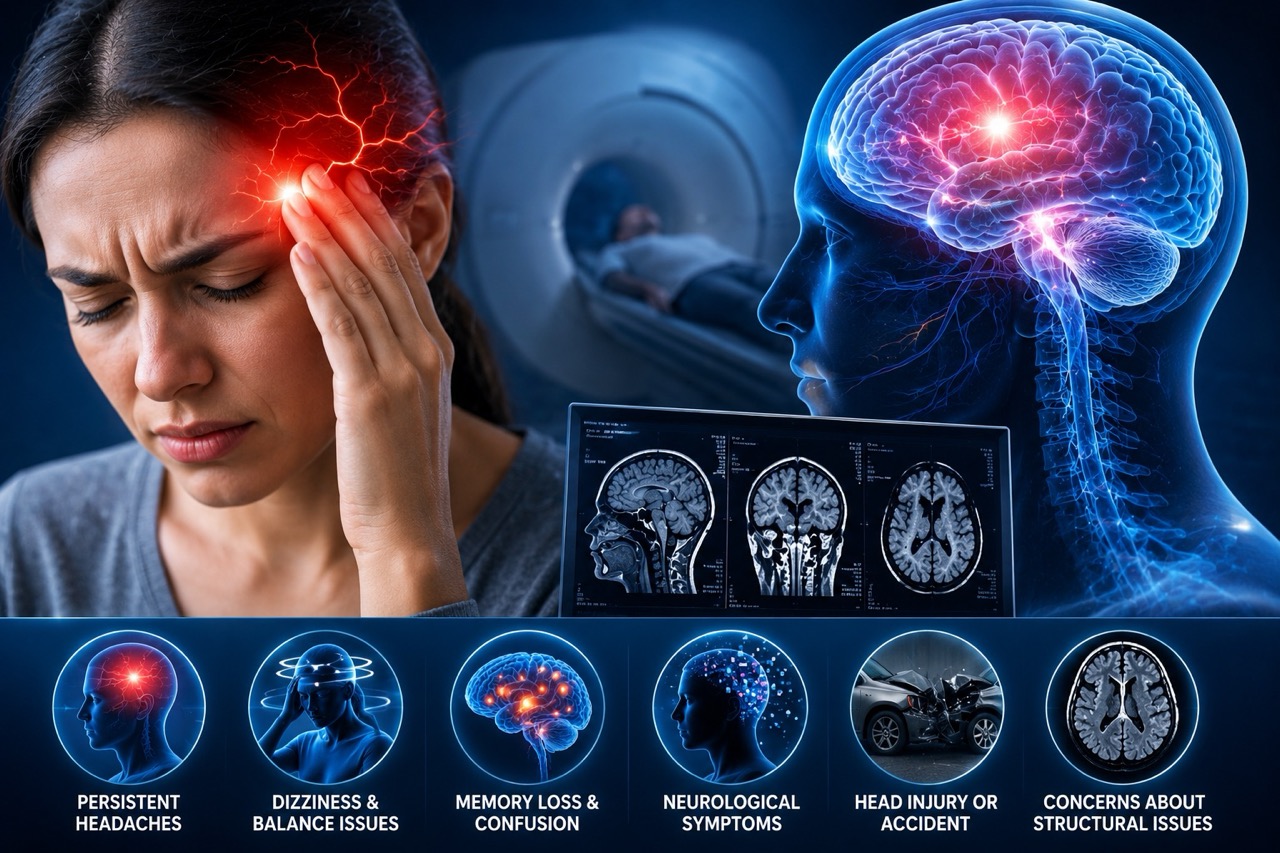
You hit your head. Weeks pass. But the headaches, brain fog, and memory issues just will not go away. You are not alone. Concussions and mild traumatic brain injuries are hard to detect. Symptoms can linger long after the injury. Standard MRI scans often come back normal. But that does not mean your brain is fine. A DTI scan for concussion offers a deeper look at brain health. It can find damage that regular MRI misses.
So what exactly is a DTI scan? And can it really detect a concussion? Let us break it down.
What Is a Concussion or Mild Traumatic Brain Injury (mTBI)?
A concussion is a type of mild traumatic brain injury. It happens when a sudden force shakes the brain inside the skull. Common causes include car accidents, sports injuries, and falls. The brain does not need to bleed to be injured. Even a mild impact can disrupt how it works.
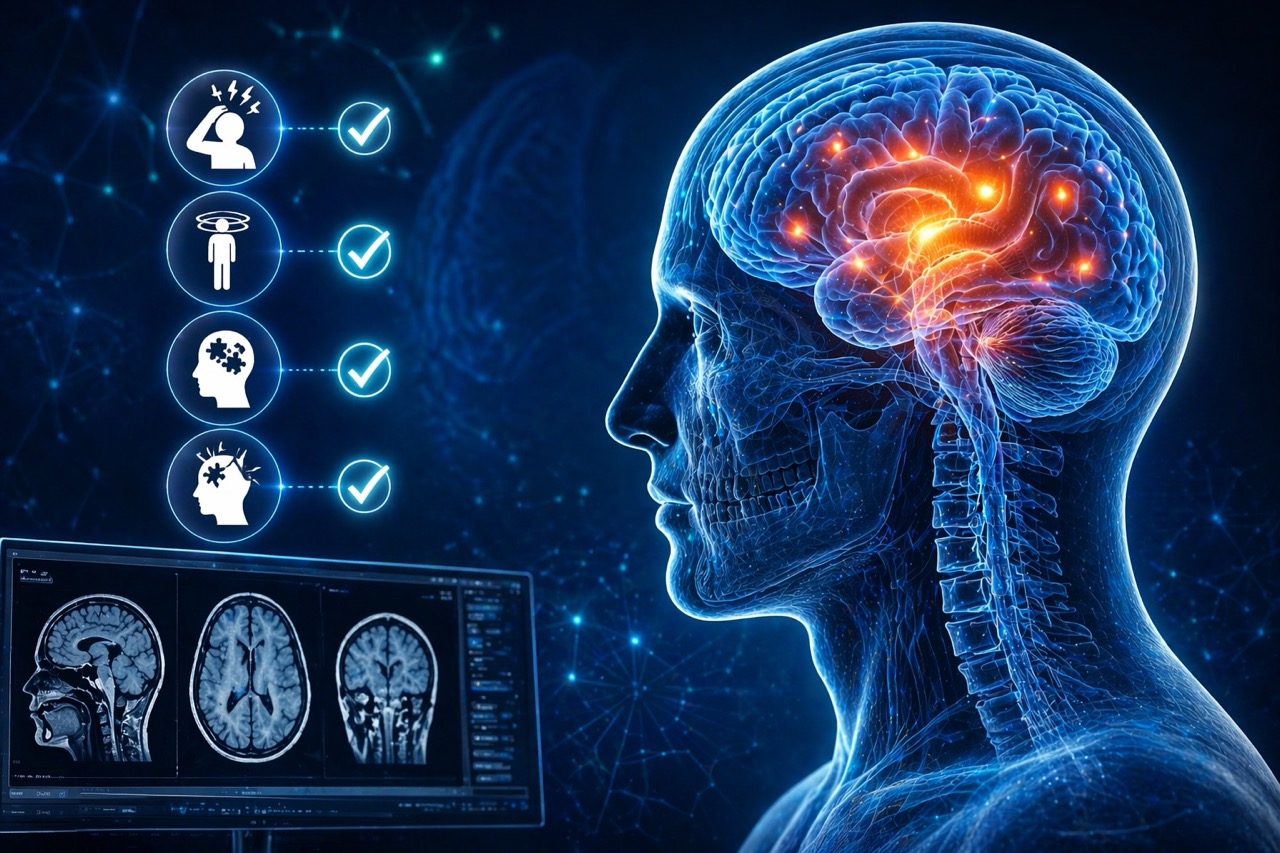
Common symptoms include:
- Headaches that do not go away.
- Dizziness and balance problems.
- Memory issues and difficulty concentrating.
- Brain fog that makes everyday tasks feel harder.
These symptoms can appear right away or develop over days.
Why Standard MRI May Not Detect Concussions
A standard MRI takes detailed pictures of brain structure. It is good at finding bleeding, tumors, or large injuries. But concussions cause microscopic damage to nerve fibers. These tiny changes do not always show up on a regular MRI. That is why many patients get a “normal” result but still feel terrible. Their symptoms are real. Their scan just cannot see the full picture.
This gap is frustrating for patients and doctors alike. It is also why more advanced imaging is needed. A DTI scan goes deeper. It looks at the brain’s internal wiring, not just its structure.
What Is a DTI Scan and How Does It Work?
DTI stands for Diffusion Tensor Imaging. It is an advanced type of MRI scan. A standard MRI shows the brain’s shape and tissue. A DTI scan shows how the brain’s pathways are connected.
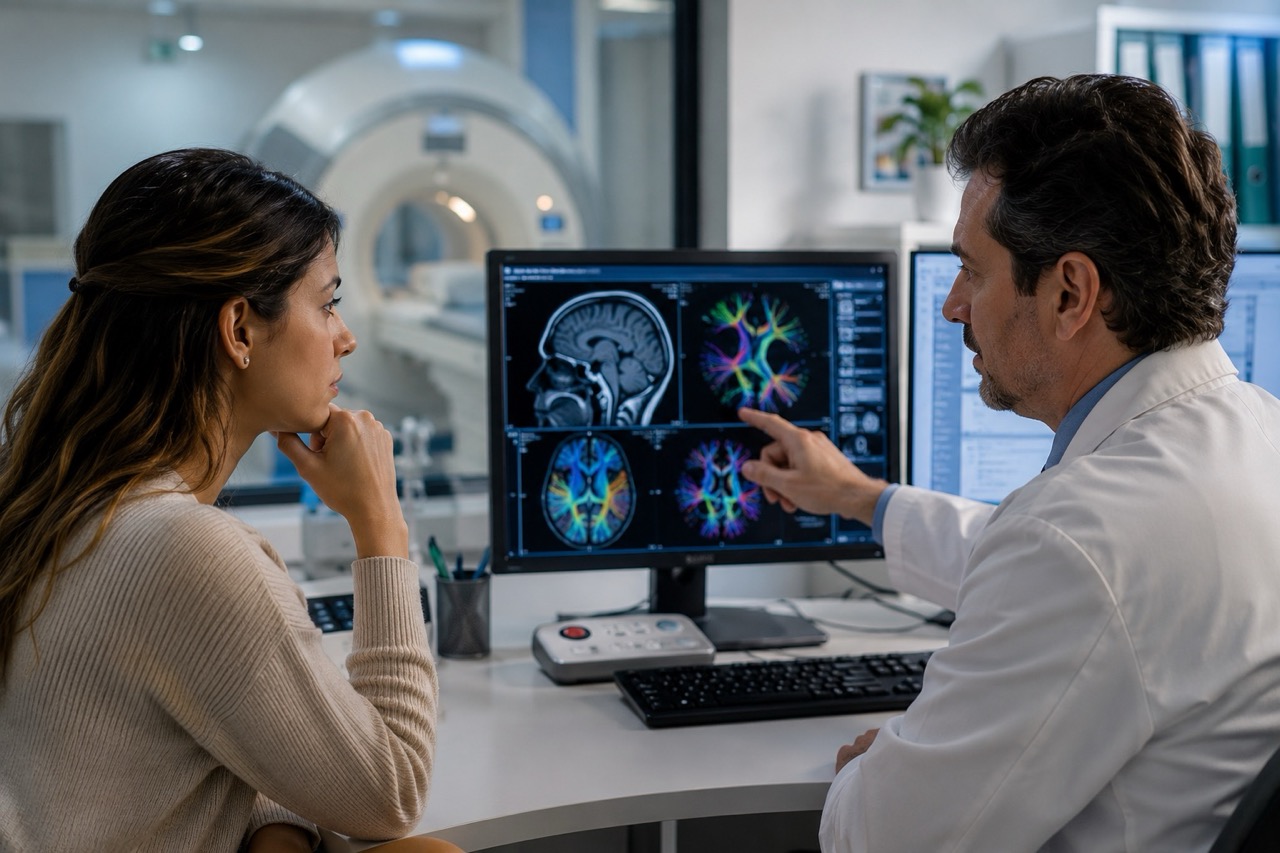
The brain has millions of nerve fibers called white matter tracts. These fibers carry signals between different brain areas. DTI tracks how water moves along these fibers. Healthy fibers allow smooth, organized movement. Damaged fibers disrupt that flow. By mapping this movement, DTI reveals injuries that standard scans cannot see. This makes it a powerful tool for detecting concussion-related brain changes.
Can a DTI Scan Detect Concussion or Mild Brain Injury?
Yes. A DTI scan can help detect the subtle changes that concussions cause in the brain. When a concussion occurs, nerve fibers can stretch or tear at a microscopic level. Standard MRI often misses this damage.
DTI identifies two key signs of injury. First, it detects microstructural damage to individual nerve fibers. Second, it reveals disrupted nerve pathways that affect brain communication. These findings help explain why patients still have symptoms after a normal MRI. DTI does not replace a clinical evaluation. But it gives doctors critical information to support a more accurate diagnosis and better treatment plan.
When Should You Consider a DTI Scan After a Head Injury?
Not every head injury needs a DTI scan. But in some cases, it can make a real difference in your diagnosis and care. If you have had a head injury and feel like something is still wrong, advanced imaging may be the answer.
Here are four situations where a DTI scan is worth considering.
Symptoms That Persist After a “Normal” MRI
Your regular MRI came back clear. But you still deal with daily headaches that disrupt your life. You struggle to remember things or stay focused at work. Your balance feels off and you cannot explain why. These are signs that something deeper may be going on. A DTI scan can look at the microscopic level and find what standard imaging missed.
After a Car Accident or Sports Injury
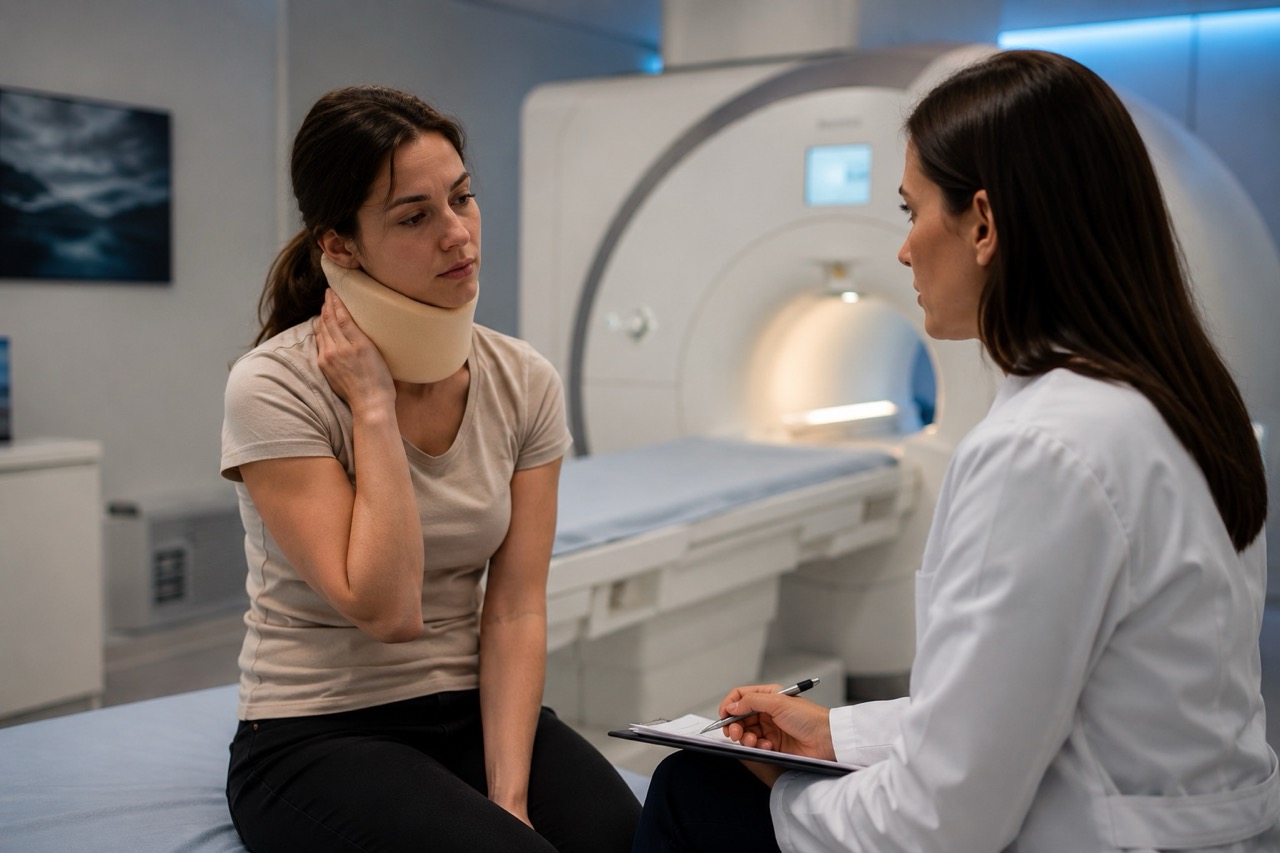
High-impact trauma puts serious force on the brain. Car accidents and contact sports like football or soccer are common causes of mTBI. If you experienced a hard hit and your symptoms have not resolved, a DTI scan provides a thorough evaluation. It also creates detailed imaging records. This documentation can be important for medical treatment and legal purposes.
Unexplained Neurological Symptoms
Sometimes symptoms appear without an obvious cause. You may notice increased brain fog that makes it hard to think clearly. Mood changes, irritability, or emotional shifts can follow a head injury. Cognitive changes like slower processing or confusion are also common. If these symptoms started after a bump or fall, do not ignore them. A DTI scan can help connect the dots.
Doctor Recommendation for Advanced Imaging
Your doctor may suggest a DTI scan when standard imaging does not fully explain your symptoms. If your initial scans came back inconclusive, that does not mean your brain is fine. It means a closer look is needed. A DTI scan gives your care team the detailed data they need to move forward with the right diagnosis and treatment plan.
Benefits of a DTI Scan for Concussion Evaluation
A DTI scan is one of the most powerful tools available for evaluating concussion and mild traumatic brain injury. It goes well beyond what standard MRI can offer. For patients who feel dismissed after a normal scan, DTI can finally provide real answers.
Here is what makes it so valuable for concussion evaluation.
- Detects subtle brain changes that standard MRI cannot see
- Supports early diagnosis so treatment can begin sooner
- Helps doctors better understand the cause of your symptoms
- Provides objective evidence to guide your care team
- Useful for tracking brain recovery over time with follow-up scans
- Can support medical and legal documentation after a traumatic injury
What to Expect During a DTI Brain Scan
A DTI scan is very similar to a standard MRI. There is nothing to be nervous about. You will lie down on a padded table that slides into the MRI machine. The process is completely non-invasive and painless. The scan typically takes between 30 and 60 minutes. Some sessions may be slightly longer depending on the imaging required.
During the scan, you will hear a knocking sound. This is completely normal. The most important thing is to stay as still as possible. Movement can affect image quality and clarity. Our team will make sure you are comfortable before and throughout the entire process.
How Precision MRI Group Supports Advanced Brain Imaging
Precision MRI Group now offers DTI brain scans at our Cypress Creek location. We recently upgraded our machine to provide this advanced neuroimaging capability. Our team is here to make your experience smooth and stress-free from start to finish.
Same-day appointments are available so you do not have to wait. We deliver MRI reports within 24 to 48 hours of your scan. Our board-certified radiologists review every scan with expert precision. We offer a calm, comfortable, patient-first environment. Free transportation is available upon request for patients who need it. You deserve answers. We are here to help you get them.
Schedule Your DTI Brain Scan Today
Ready to get answers? Precision MRI Group makes it easy to take that next step. We offer flexible scheduling including evenings and weekends. Same-day appointments are available. Your results will be ready within 24 to 48 hours. Our caring team will support you every step of the way.
Do not wait. Your health matters. Call us today or book your appointment online.
Precision MRI Group Locations:
Cypress Creek (DTI Available)
2122 NW 62nd Street, Suite 107, Ft. Lauderdale, FL 33309
Phone: (954) 677-1069, Contact: Latoya Reid (latoya@cypresscreekmri.com)
Additional Locations:
Pembroke Pines
9696 Pines Blvd., Pembroke Pines, FL 33024
Phone: (954) 391-7844, Contact: Amalia (amalia@pinesimagingcenter.com)
Lake Worth
2311 10th Ave N Suite #2 and Suite #1, Lake Worth, FL 33461
Phone: (561) 623-8346, Contact: Marisol (marisol@mriprecision.com)
Port St Lucie
879 E Prima Vista Blvd #2, Port St. Lucie, FL 34952
Phone: (772) 344-7566, Contact: Laura Schwenzer (laura@mriprecision.com)