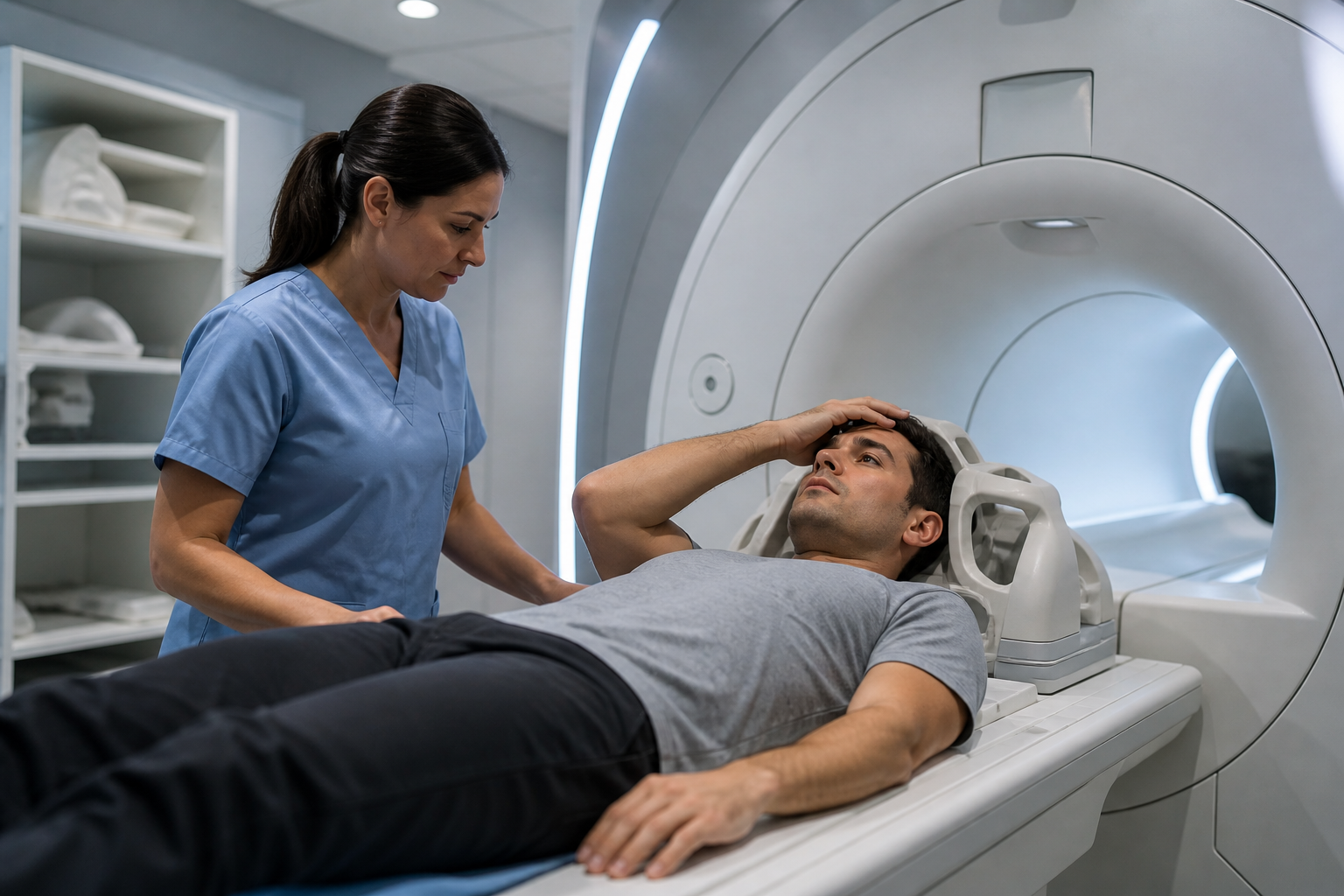
How Long After a Head Injury Should You Get a Brain Scan?
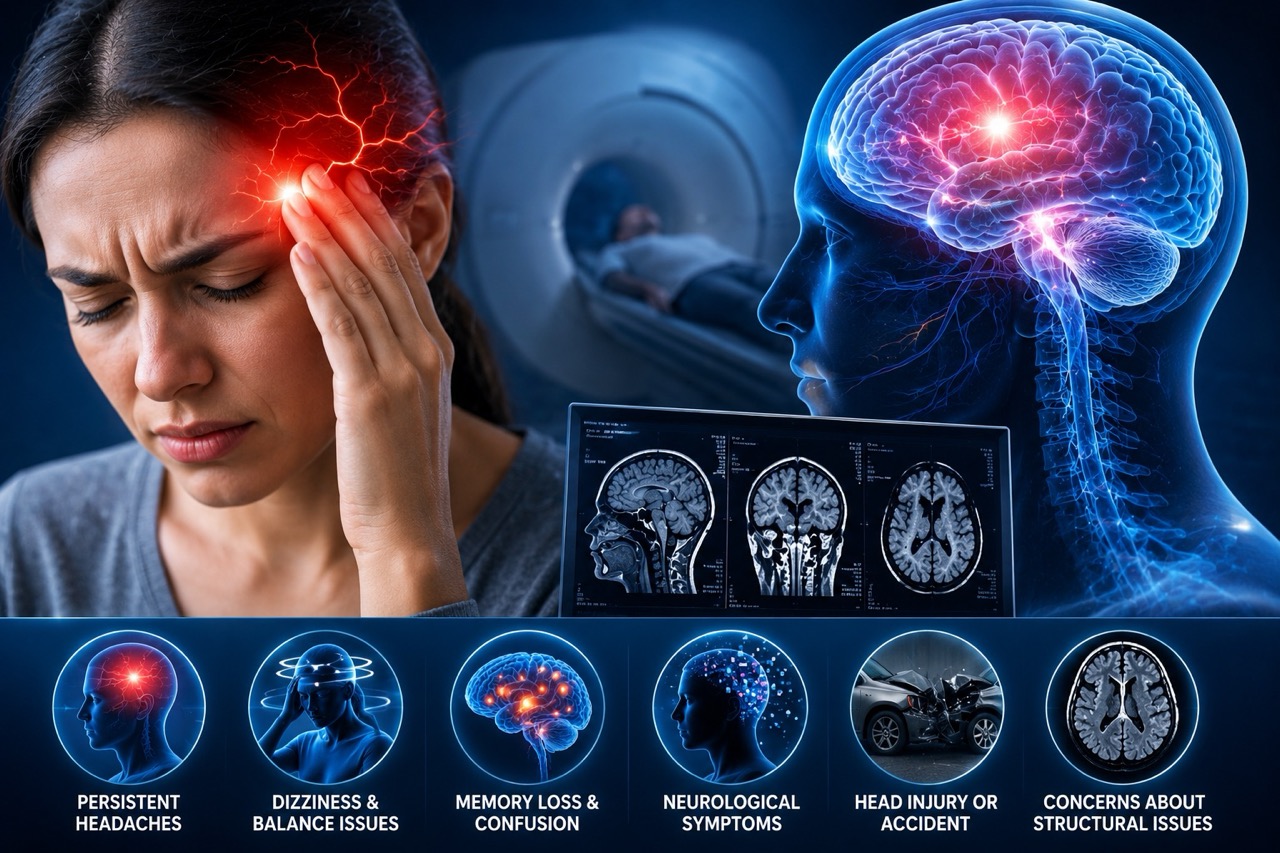
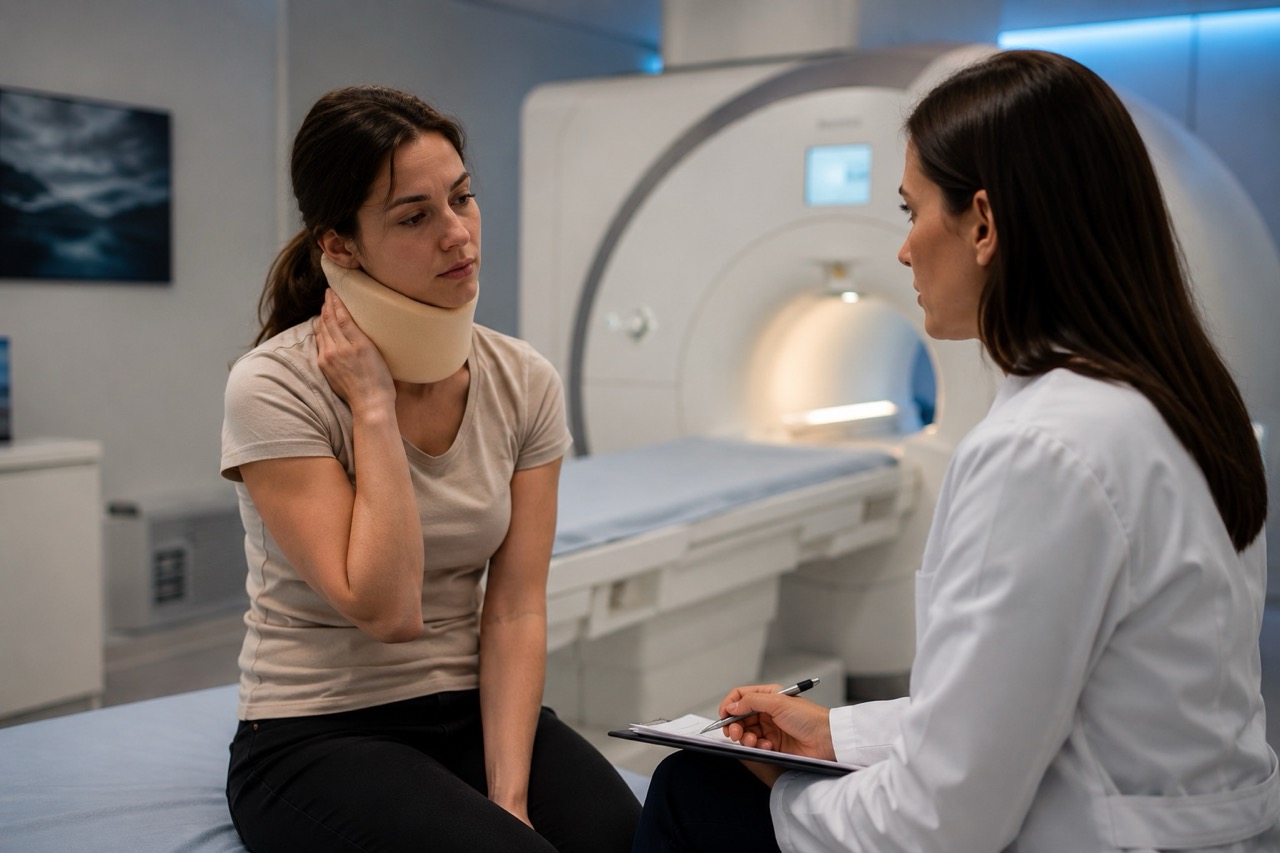
You slipped on the stairs, took a hard hit during a game, or walked away from a car accident feeling shaken. You told yourself you were fine. But a day later, something feels off. Your head hurts. You feel foggy. You are not quite yourself. Head injuries are unpredictable. Symptoms do not always appear right away, and that delay creates real confusion about what to do next.
Knowing when to get a brain scan after head injury can make a critical difference in your recovery. In this blog, you will learn what signs to watch for, what types of scans are available, and when to act fast.
How Soon Should You Get a Brain Scan After a Head Injury?
The right timing depends on how severe your symptoms are and how quickly they appear. For mild symptoms like a slight headache or brief disorientation, doctors often recommend monitoring for 24 to 48 hours. If symptoms improve and no new issues develop, a scan may not be immediately necessary.
For severe symptoms like loss of consciousness, confusion, or repeated vomiting, a scan is required right away. Do not wait. If symptoms appear days after the injury, a scan is still recommended. Delayed symptoms are a warning sign that should never be ignored. Always follow your doctor’s guidance.
What Types of Brain Scans Are Used After a Head Injury?
Different imaging tools serve different purposes after a head injury. Your doctor will recommend the right one based on your symptoms and situation.
Here is a breakdown of the three main options used for brain scan after head injury evaluations.
CT Scan for Emergency Situations
A CT scan is the first tool used in emergency settings. It works quickly and is excellent at detecting active bleeding, skull fractures, and large structural injuries. When speed matters most, CT delivers fast results. However, it offers limited detail for soft tissue and subtle brain damage, which is why it is not always enough on its own.
MRI for Detailed Brain Imaging
MRI provides a far more detailed view of the brain than a CT scan. It is better at showing soft tissue damage, inflammation, and subtle abnormalities. Doctors often recommend MRI after the acute emergency phase has passed. It is non-invasive, uses no radiation, and gives a comprehensive picture of brain health that supports more accurate diagnosis and treatment planning.
Advanced Imaging Like DTI for Hidden Damage
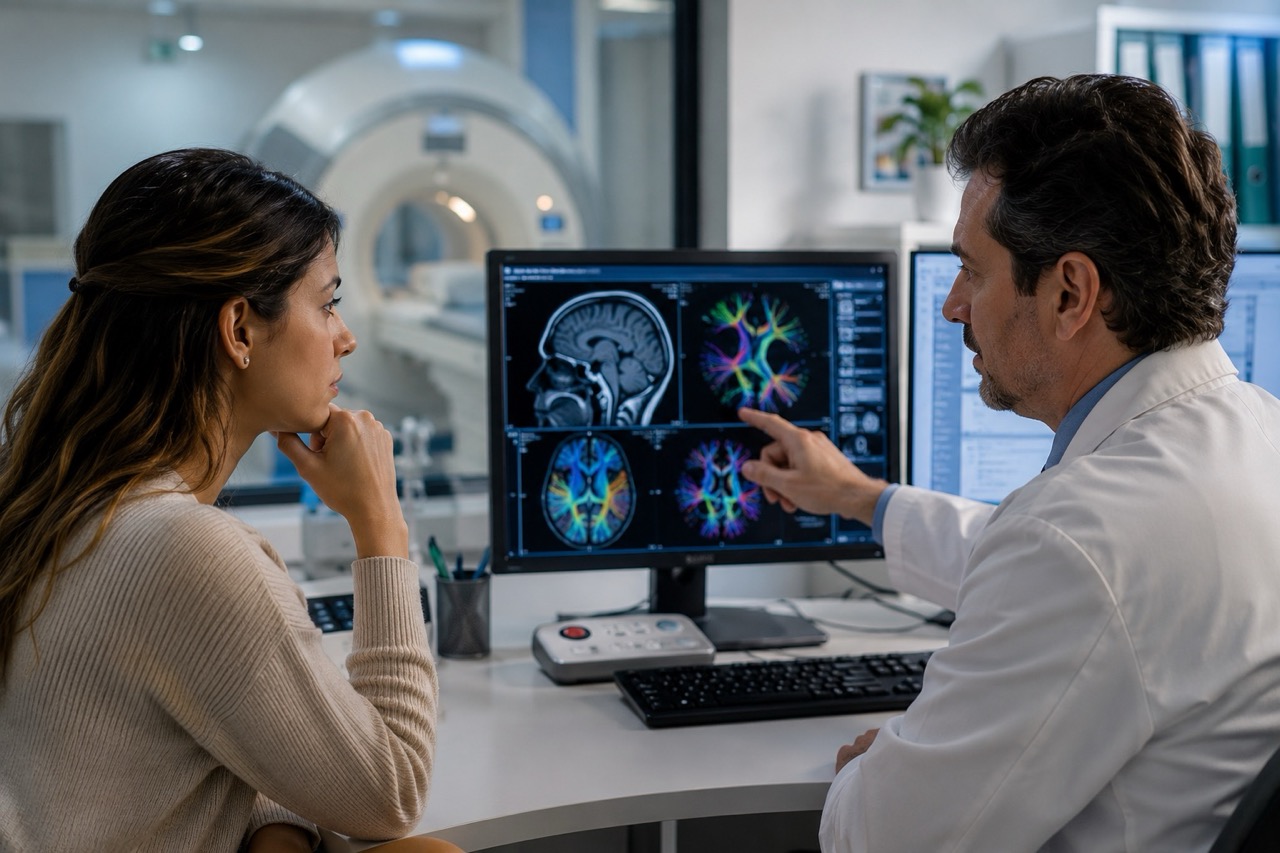
Diffusion Tensor Imaging, or DTI, is an advanced MRI technique that detects damage to white matter pathways inside the brain. These are the nerve fiber connections that carry signals between brain regions. When a standard MRI appears normal but symptoms continue, DTI can find the microscopic damage that other scans miss. It is especially useful for concussion and mild traumatic brain injury cases.
Key Signs You Should Get a Brain Scan Immediately
Some symptoms after a head injury cannot wait. These are serious warning signs that require urgent medical attention and immediate imaging.
If you or someone you know experiences any of the following after a head injury, seek emergency care right away.
Loss of Consciousness
Any loss of consciousness after a head injury is a serious red flag. Even a brief blackout means the brain has been significantly impacted. This requires immediate evaluation to rule out dangerous bleeding, swelling, or structural damage that could worsen rapidly without treatment.
Persistent or Worsening Headache
A headache that starts after impact and keeps getting worse is not normal. This pattern can indicate rising pressure inside the skull. It should never be managed at home with pain relievers alone. A brain scan is necessary to determine the cause and prevent a minor injury from becoming a life-threatening emergency.
Vomiting or Nausea
Repeated vomiting after a head injury is a classic sign of neurological distress. One episode may not always be alarming. But vomiting that continues or returns is a strong signal that the brain is under pressure. This symptom combined with any other warning sign means you should get to an emergency facility immediately.
Confusion or Memory Loss
If a person cannot recall the injury, seems disoriented, or is struggling to follow a conversation, the brain is in distress. Confusion and memory loss after head trauma indicate a more serious injury. These cognitive symptoms require urgent imaging to assess the extent of the damage and guide appropriate treatment.
Vision Problems or Slurred Speech
Sudden vision changes, double vision, or slurred speech following a head injury point to significant neurological involvement. These symptoms may indicate bleeding, a stroke-like event, or damage to critical brain regions. They require immediate emergency evaluation. Do not attempt to drive or manage these symptoms at home under any circumstances.
Seizures or Balance Issues
A seizure after a head injury is a medical emergency. Balance problems and difficulty walking also signal that the brain’s coordination centers have been affected. Both symptoms indicate that something serious is happening inside the brain. Get to an emergency room immediately and make sure imaging is performed as quickly as possible.
When It Is Safe to Wait and Monitor Symptoms
Not every head injury requires an immediate trip to the emergency room. In some cases, careful observation at home is appropriate. It may be safe to monitor symptoms if the following conditions are met. However, always consult a medical professional before deciding to wait.
- A mild headache that begins to improve within a few hours rather than getting worse
- No neurological symptoms such as confusion, slurred speech, vision changes, or weakness
- The person remains fully alert, awake, and is responding normally to questions
- No loss of consciousness occurred at any point during or after the impact
- A responsible adult is present to observe the injured person throughout the monitoring period
If any new symptoms develop during the observation period, seek medical care immediately. Waiting is only appropriate when all of these conditions are clearly met.
Why Some Brain Injuries Do Not Show Up Right Away
It is a common and dangerous misconception that feeling okay after a head injury means everything is fine. Brain injuries can develop gradually. Swelling inside the skull may take hours or even days to build to a level that causes noticeable symptoms. Inflammation can increase slowly, and the effects only become apparent once the damage has progressed.
Microscopic damage to nerve fibers is another hidden threat. This type of injury does not cause immediate visible symptoms but disrupts brain function over time. Symptoms like fatigue, mood changes, and memory problems can emerge days after the initial impact, long after the person believed they had recovered.
What If Your Symptoms Continue but Your Scan Is Normal?
A normal MRI result is reassuring. But it does not always mean your brain is unaffected. Standard MRI is powerful, but it has limits. It is designed to detect structural damage and large abnormalities. It cannot always see the microscopic nerve fiber damage that concussions and mild traumatic brain injuries cause.
This is where DTI brain scanning becomes essential. DTI maps the white matter pathways inside the brain and detects disruptions in connectivity that standard MRI cannot see. If your symptoms persist after a normal scan, a DTI scan may reveal what was missed. Follow-up imaging is always worth discussing with your doctor when symptoms continue beyond what is expected.
Where to Get a Brain Scan in South Florida
If you need a brain scan after head injury in South Florida, Precision MRI Group is ready to help. We offer advanced MRI imaging across multiple convenient locations. Our Cypress Creek location now provides DTI brain scans, giving patients access to the most detailed neuroimaging available.
We offer same-day appointments so you do not have to wait for critical answers. Late night and weekend scheduling means you can get scanned without disrupting your work or family life. Free transportation is available on request. Our multilingual team speaks English, Spanish, and Creole to ensure every patient feels comfortable and fully supported.
Schedule Your Brain Scan with Precision MRI Group Today
Do not leave a head injury unanswered. Early imaging leads to faster diagnosis and better outcomes. Precision MRI Group provides fast, accurate brain scans with results delivered within 24 to 48 hours. Advanced DTI imaging is available at our Cypress Creek location for cases where deeper evaluation is needed.
We offer flexible scheduling, patient-focused care, and a team that will treat you like family every step of the way. Visit our Locations page to find the office nearest to you. Book through our Appointment page to get started today.
Precision MRI Group Locations:
Cypress Creek (DTI Available)
2122 NW 62nd Street, Suite 107, Ft. Lauderdale, FL 33309
Phone: (954) 677-1069, Contact: Latoya Reid (latoya@cypresscreekmri.com)
Additional Locations:
Pembroke Pines
9696 Pines Blvd., Pembroke Pines, FL 33024
Phone: (954) 391-7844, Contact: Amalia (amalia@pinesimagingcenter.com)
Lake Worth
2311 10th Ave N Suite #2 and Suite #1, Lake Worth, FL 33461
Phone: (561) 623-8346, Contact: Marisol (marisol@mriprecision.com)
Port St Lucie
879 E Prima Vista Blvd #2, Port St. Lucie, FL 34952
Phone: (772) 344-7566, Contact: Laura Schwenzer (laura@mriprecision.com)