Brain MRI Signs That Tell You It’s Time for a Scan
You wake up with a strange headache that feels different from usual. The discomfort worries you, especially when it keeps returning without warning. You try to ignore it, yet the symptoms stay and slowly affect your daily routine. Many people face moments like this and wonder what is happening inside their brain.
A brain MRI can offer clear answers when symptoms create stress or confusion. It helps you understand what your body is trying to say. If you feel unsure, let’s learn who needs a brain MRI and why.
What a Brain MRI Checks and Why Doctors Recommend It
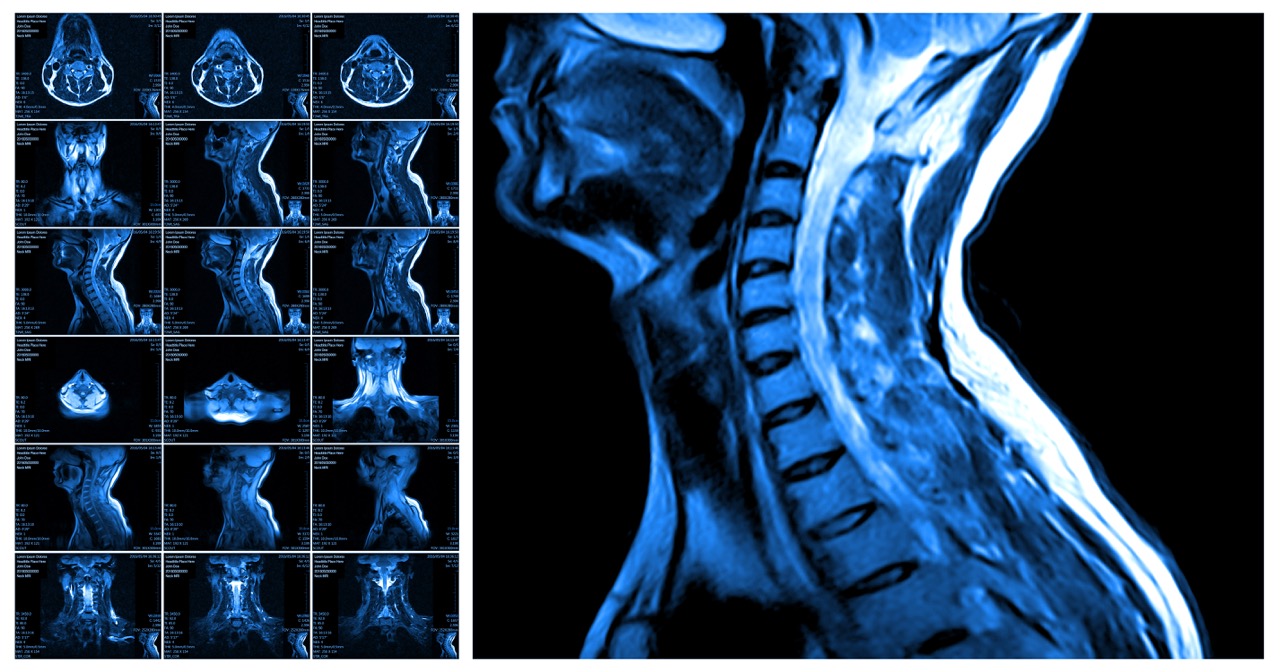
A brain MRI provides clear images of soft tissue and detailed views of the brain. It helps doctors see structures that may be affected by injury or illness. The scan also shows abnormalities that might not appear through physical exams alone. Moreover, an MRI uses magnetic fields instead of radiation, which makes it a safer choice for many patients.
It detects subtle changes that may explain ongoing symptoms. In addition, MRI offers better clarity than CT for most neurological issues. Likewise, doctors rely on MRI results to guide accurate diagnosis and care plans.
Common Symptoms That Mean You May Need a Brain MRI
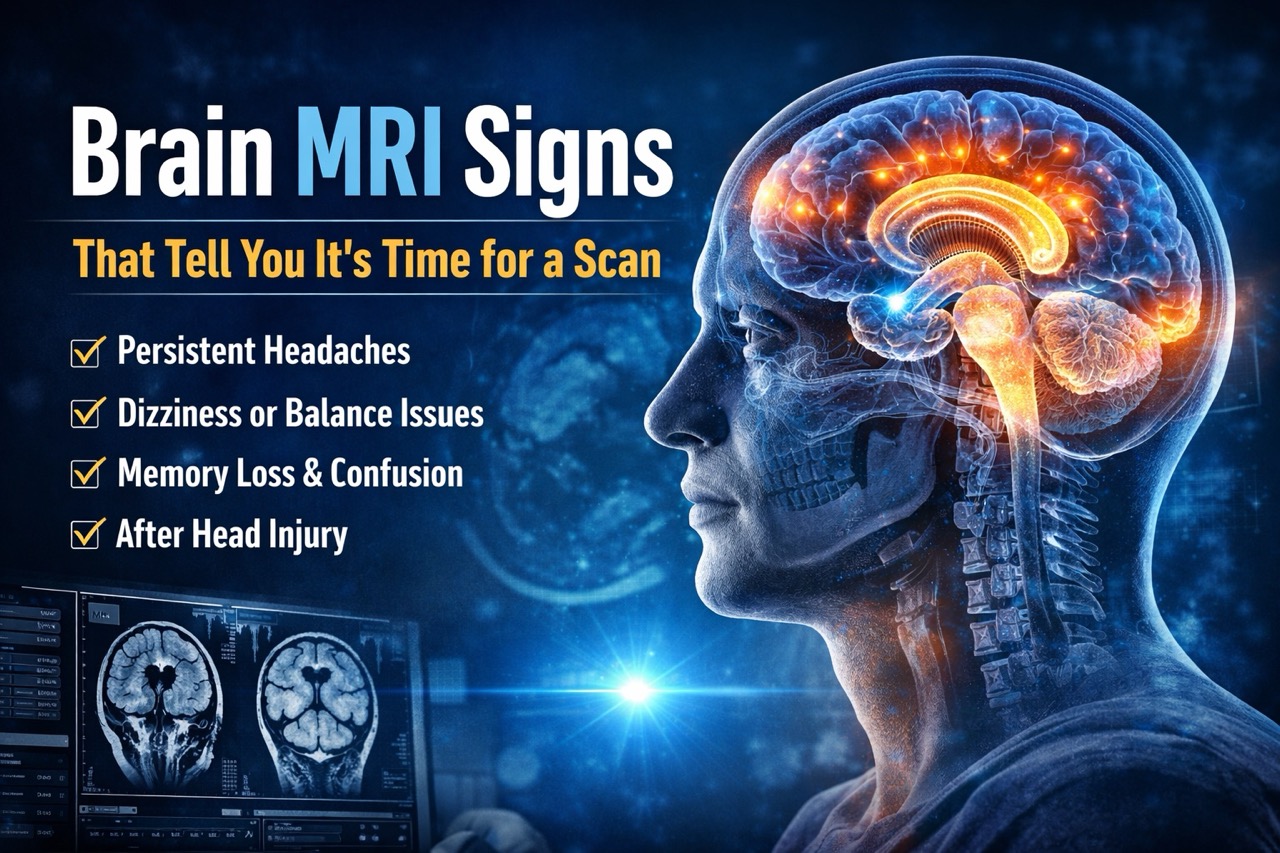
Some symptoms should not be ignored, because they may signal a deeper issue. Persistent or unusual changes often prompt imaging to rule out problems. In addition, new symptoms that develop without a clear reason require attention. Doctors may suggest an MRI to ensure nothing serious is missed. Let’s see the symptoms that matter most.
When Headaches Become a Warning Sign
When headaches become frequent or begin to change, they can be a sign that something more serious is happening. An MRI for headaches is often recommended when pain lasts for weeks, grows more intense, or does not respond to normal treatment.
Doctors also take notice when migraine patterns shift over time or when headaches appear with vision changes, numbness, weakness, or other neurological symptoms. These warning signs help determine when deeper imaging is needed to understand the cause.
Dizziness or Balance Problems That Require Imaging
Dizziness or balance issues can be a sign of something deeper, especially when they continue without a clear cause. An MRI for dizziness helps doctors look for problems in the brain that may affect coordination or balance. Vertigo that lasts longer than expected should always be checked.
Dizziness that appears with nausea, tingling, or speech problems also needs attention, because these symptoms can point to neurological changes that require imaging.
Memory Loss or Cognitive Changes
Memory loss or cognitive changes can be concerning, especially when they begin to affect daily routines. Forgetfulness, confusion, or slowed thinking may signal that the brain is under stress. These symptoms often lead doctors to request imaging so they can better understand what is happening. A brain MRI helps rule out neurological disorders and provides clarity when symptoms do not improve.
Injuries and Events That May Require a Brain MRI
Head injuries and sudden medical events can affect the brain in ways that are not always visible at first. A brain MRI helps reveal hidden changes that may explain troubling symptoms. It offers clarity when something feels off after an accident or episode. These are the injuries and events that often require imaging.
- Concussions and Head Trauma: A concussion can cause subtle brain changes that are not visible on the surface. Moreover, symptoms may linger or worsen over time. A brain MRI helps doctors look for deeper injury, swelling, or disrupted pathways that slow recovery.
- Mini-Strokes or Suspected Stroke Symptoms: A mini-stroke can interrupt blood flow and leave small areas of damage that require careful review. In addition, early imaging helps doctors confirm what happened and guide treatment. A brain MRI provides detailed views that support safer and faster recovery.
- Seizures or Unexplained Fainting: Seizures or fainting episodes may signal electrical or structural changes in the brain. Likewise, doctors use MRI to look for abnormalities that could explain these sudden events. The scan helps identify patterns, rule out serious issues, and guide next steps.
Conditions That Often Require Neurological MRI
Some medical conditions directly affect the brain and require careful imaging. Moreover, ongoing symptoms can point to deeper issues that deserve evaluation. In addition, doctors use a Neurological MRI to detect structural changes. This helps them choose the right treatment. Let’s see the conditions linked to advanced brain imaging.
Brain tumors or masses
Brain tumors or masses can change how the brain works. Doctors use MRI to see their size, shape, and location. It also helps track growth and treatment response. Symptoms like headaches or vision changes may appear first. Early imaging supports quick decisions. Accurate diagnosis leads to better care.
Multiple sclerosis and demyelinating diseases
Multiple sclerosis damages the protective covering around nerves. MRI shows these changes clearly. Doctors rely on imaging to track new lesions and monitor disease progression. Symptoms may include numbness, weakness, or balance trouble. Early testing helps guide treatment. Regular scans support long term care planning.
Infections or inflammation in the brain
Brain infections can cause swelling and serious symptoms. MRI helps doctors find infected or inflamed areas quickly. Patients may experience fever, confusion, or severe headaches. Imaging shows how far the infection has spread. Early detection supports faster treatment. Clear images help guide medical decisions.
Aneurysms or vascular abnormalities
Aneurysms involve weakened blood vessel walls. MRI helps detect them before they cause harm. Symptoms can include sudden headaches or vision issues. Doctors use imaging to measure size and risk. Early detection prevents serious complications. Vascular scans support safe and informed treatment planning.
Early Imaging Makes a Big Difference
Early imaging gives doctors a clear picture of what is happening inside the brain before symptoms worsen. MRI detects problems early, even when symptoms seem mild. Moreover, early findings help doctors plan treatment faster and with more accuracy. In addition, quick imaging reduces stress for patients who want answers right away.
Early scans support better outcomes by catching issues before they become serious. Many people delay imaging because they hope symptoms will fade, but timely testing can make a real difference. Early action often leads to clearer explanations, safer decisions, and more confidence during recovery.
When You Should Ask Your Doctor About Getting a Brain MRI
You should consider a brain MRI when symptoms last longer than expected. New or unexplained neurological changes deserve attention. In addition, concerns after a head injury should never be ignored. Imaging can help your doctor understand what is happening. This is the thing you should ask about when symptoms appear.
-
Persistent or worsening symptoms
-
Unusual neurological changes
-
Concerns after a head injury
-
When your physician needs more clarity
Take the Next Step Toward Answers
Your health deserves clarity, and a brain MRI can help you understand what your symptoms mean. Precision MRI Group makes it easier to get clarity about your health. Our team supports you from the moment you schedule until the moment you receive your results. You can feel confident knowing advanced imaging and a caring staff are ready to help.
Reach out when symptoms worry you.
Precision MRI Group Locations:
Cypress Creek (DTI Available)
2122 NW 62nd Street, Suite 107, Ft. Lauderdale, FL 33309
Phone: (954) 677-1069, Contact: Latoya Reid (latoya@cypresscreekmri.com)
Additional Locations:
Pembroke Pines
9696 Pines Blvd., Pembroke Pines, FL 33024
Phone: (954) 391-7844, Contact: Amalia (amalia@pinesimagingcenter.com)
Lake Worth
2311 10th Ave N Suite #2 and Suite #1, Lake Worth, FL 33461
Phone: (561) 623-8346, Contact: Marisol (marisol@mriprecision.com)
Port St Lucie
879 E Prima Vista Blvd #2, Port St. Lucie, FL 34952
Phone: (772) 344-7566, Contact: Laura Schwenzer (laura@mriprecision.com)