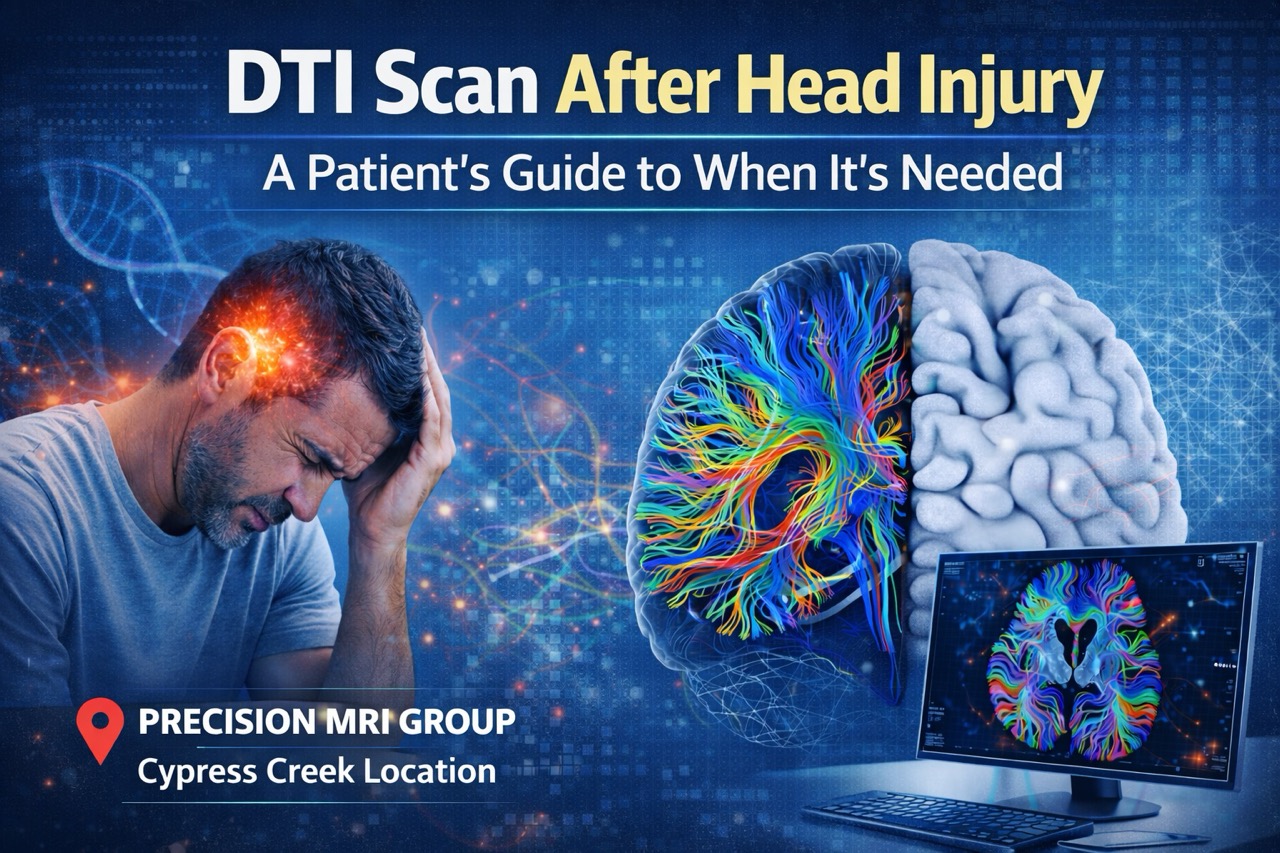
DTI Scan After Head Injury: A Patient’s Guide to When It’s Needed
Head injuries change lives in an instant, but the aftermath can linger for months or years. You’re experiencing headaches, brain fog, and mood changes that weren’t there before the accident. Your standard MRI came back normal, yet you know something is wrong inside your brain.
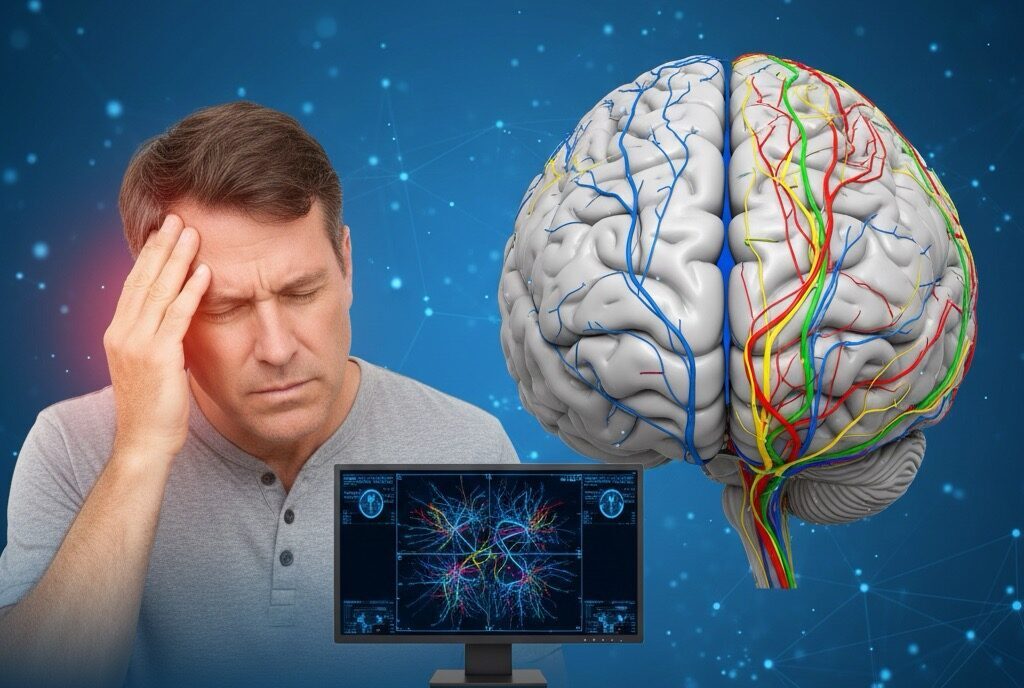
A DTI scan after head injury reveals microscopic damage that traditional imaging cannot detect at all. This advanced technology measures white matter changes in nerve pathways connecting different brain regions together. Traditional MRI may appear completely normal even when debilitating symptoms persist daily and worsen.
Microstructural imaging through DTI brain scan technology shows invisible injuries affecting your quality of life. Furthermore, understanding when to request this advanced test helps you get answers faster.
How DTI MRI Scans Differ From Standard MRI
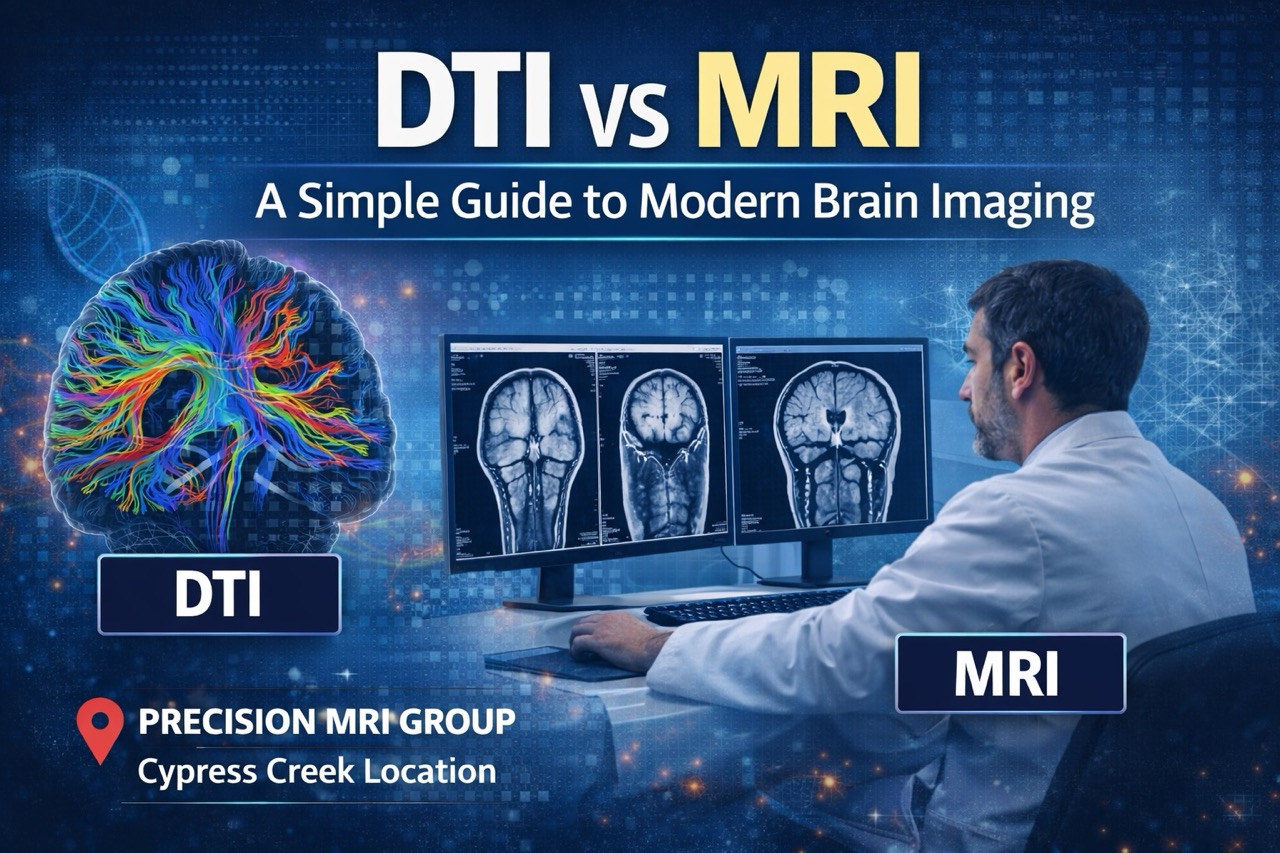
Standard MRI shows brain structure like tissue, blood vessels, and obvious damage from trauma. DTI MRI scans reveal white matter pathway integrity by tracking water molecule movement along nerves. This specialized imaging identifies subtle injuries invisible on conventional MRI that doctors order first.
Structural MRI detects bleeding, swelling, and large-scale tissue destruction requiring immediate medical intervention always. White matter pathway imaging through DTI shows microscopic nerve fiber damage causing persistent symptoms. Neurologists prefer advanced imaging when patients have ongoing problems despite normal standard MRI results.
DTI technology provides functional information about how well brain regions communicate with each other. Furthermore, this detailed assessment explains why you still feel terrible when other tests show nothing.
Symptoms That Suggest You May Need a DTI Scan After a Head Injury
Certain symptoms after head trauma indicate invisible brain damage requiring advanced imaging for detection. Understanding which signs warrant DTI evaluation helps you advocate for appropriate diagnostic testing with doctors.
Persistent Headaches and Dizziness
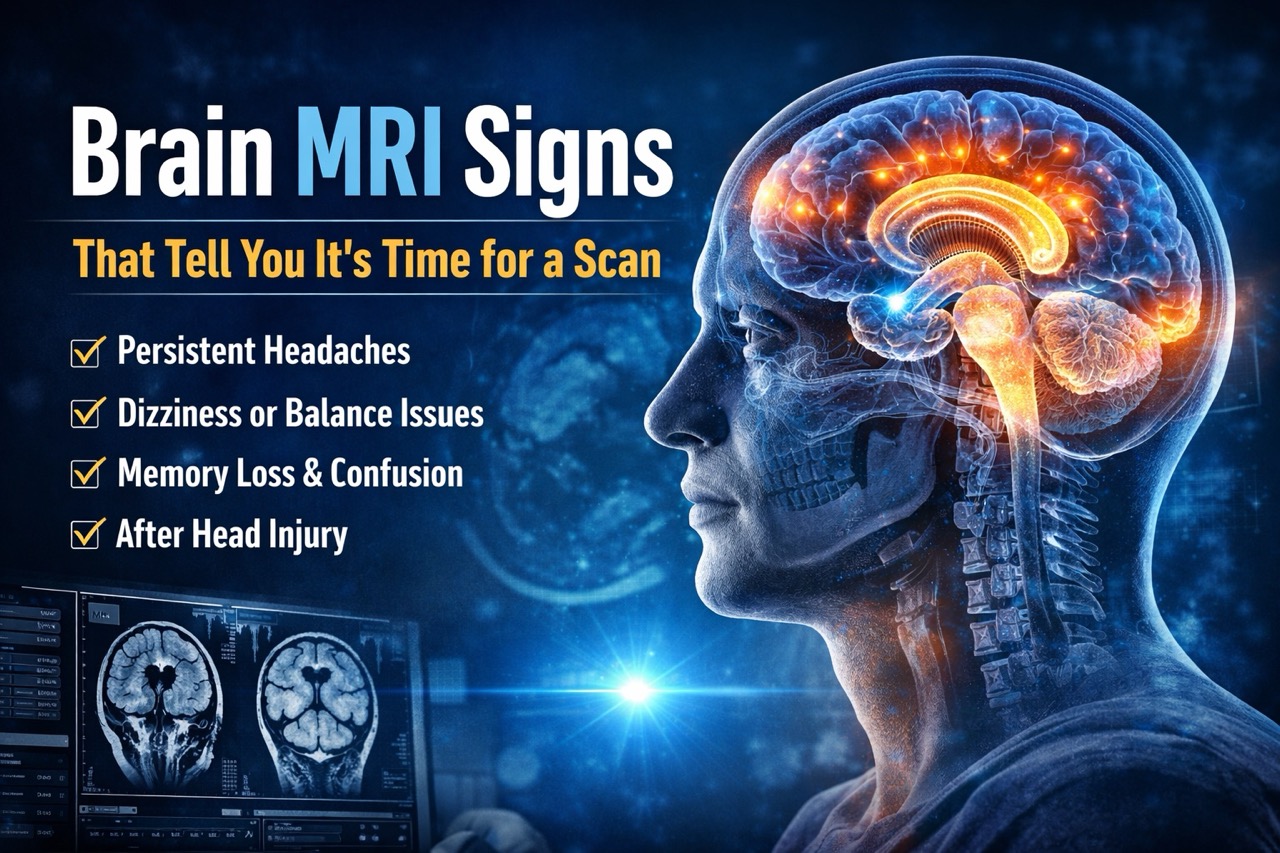
Headaches lasting weeks or months after head injury suggest ongoing brain inflammation or pathway damage. Dizziness that doesn’t improve with time often indicates vestibular pathway disruption from trauma. DTI scan after head injury reveals which nerve connections are damaged and causing symptoms. Furthermore, objective imaging evidence helps doctors create targeted treatment plans for your specific injuries.
Memory Issues, Trouble Concentrating, or Slowed Thinking
Cognitive symptoms after concussion indicate damage to pathways connecting memory centers in your brain. Trouble focusing at work or school suggests frontal lobe connections are disrupted from injury. Slowed thinking and processing speed problems appear when white matter integrity is compromised significantly. Furthermore, DTI shows exactly which cognitive pathways need rehabilitation support and targeted therapy interventions.
Mood Changes, Irritability, Anxiety Symptoms
Emotional regulation problems after head trauma indicate limbic system pathway damage affecting mood control. Irritability and anger issues suggest frontal lobe connections to emotion centers are disrupted badly. New anxiety symptoms often result from trauma to pathways regulating stress responses in brain. Furthermore, understanding the physical basis for mood changes helps reduce guilt and supports treatment.
Vision Problems or Difficulty With Balance
Visual disturbances after head injury indicate damage to pathways connecting eyes to brain processing. Balance problems suggest cerebellar pathway disruption or vestibular system damage from trauma impact. Coordination difficulties appear when motor control pathways are damaged by injury forces significantly. Furthermore, DTI reveals which pathways need therapy focus for balance and vision recovery efforts.
When a DTI Scan for Concussion Is Recommended
Concussion symptoms that persist beyond normal recovery timelines warrant advanced imaging for accurate diagnosis. DTI scan for concussion becomes necessary when standard approaches fail to explain ongoing problems.
Here are specific situations requiring DTI evaluation:
- When symptoms last longer than 2 to 3 weeks – Most concussions resolve within this timeframe naturally.
- When athletes experience repeated concussions – Cumulative damage from multiple impacts requires detailed assessment always.
- When patients have post-concussion syndrome – Persistent symptoms beyond three months indicate structural pathway damage.
- When MRI or CT scan results do not match how the patient feels – Normal imaging with severe symptoms warrants DTI.
How Advanced Neuroimaging for TBI Helps Doctors Make Better Decisions
Traumatic brain injury treatment improves significantly when doctors understand the full extent of damage. Advanced neuroimaging for TBI provides information that changes treatment approaches and improves outcomes for patients.
Identifying White Matter Disruptions
DTI reveals which nerve fiber bundles are torn, stretched, or damaged from trauma forces. The imaging shows disruption locations, helping doctors predict which functions will be affected most. White matter damage patterns explain why some patients recover quickly while others struggle for months. Furthermore, objective damage assessment validates patient experiences when symptoms don’t match standard imaging results.
Tracking Recovery Progress Over Time
Serial DTI scans show whether damaged pathways are healing or remaining permanently disrupted over months. Improvement on repeat imaging provides hope and validates that rehabilitation efforts are working effectively. Lack of healing on follow-up scans helps doctors adjust treatment approaches for better outcomes. Furthermore, tracking changes guides decisions about returning to work, school, or sports safely.
Supporting Neurologists, Therapists, and Rehabilitation Plans
DTI results help neurologists understand which brain functions need the most rehabilitation support immediately. Physical therapists design exercises targeting specific pathway damage shown on imaging for recovery. Occupational therapists focus on cognitive pathways needing the most intensive intervention for function. Furthermore, coordinated care based on DTI findings improves recovery outcomes significantly for patients overall.
Why Timing Matters When Requesting a DTI Scan
Early detection of microstructural damage allows intervention before problems become permanent or worsen significantly. Brain plasticity works best in the months immediately following injury when pathways can reorganize. Better clarity about injury extent supports long-term symptom management and realistic recovery expectations always.
Waiting too long means missing the optimal window for certain rehabilitation interventions that work best. DTI helps rule out other neurological causes like tumors or stroke mimicking head injury. Early imaging provides baseline documentation for tracking recovery or pursuing disability benefits if needed. Furthermore, prompt diagnosis reduces anxiety about what’s wrong when symptoms don’t make sense otherwise.
How Precision MRI Group Supports Patients Needing DTI Imaging
Precision MRI Group understands that head injury patients need compassionate care and advanced technology. Our Cypress Creek facility offers DTI capabilities for South Florida patients requiring this specialized imaging.
Advanced DTI Capability at the Cypress Creek Location
Our recent equipment upgrade enables DTI brain scans using the latest imaging protocols available. Board-certified radiologists specializing in neuroimaging interpret your scans with expertise and precision consistently. Advanced technology combined with expert analysis ensures you get accurate answers about brain damage. Furthermore, local access to DTI eliminates long drives to distant facilities for imaging.
Fast Scheduling Including Late Evenings and Weekends
Head injury symptoms disrupt work and daily schedules, making flexible appointment times essential for patients. Evening and weekend availability accommodates busy lives without forcing you to miss work obligations. Same-day appointments are often available when symptoms worsen suddenly and need urgent evaluation. Furthermore, convenient scheduling reduces stress during an already difficult recovery period for you.
24 to 48 Hour Result Turnaround (Immediate Upon Request)
Quick results mean faster treatment decisions and less anxiety about what imaging reveals clearly. Standard turnaround within two days gets information to your doctor for prompt care planning. Emergency cases receive immediate interpretation when urgent medical decisions depend on imaging findings. Furthermore, fast reporting respects that every day matters when you’re suffering from symptoms.
Free Transportation and Multilingual Support
Free transportation removes barriers for patients unable to drive safely due to symptoms like dizziness. Multilingual staff speaking English, Spanish, and Creole ensures clear communication with all patients consistently. Comfortable facilities and supportive team members make the imaging experience as pleasant as possible. Furthermore, patient-focused service demonstrates our commitment to your recovery and wellbeing always.
When to Talk to Your Doctor About Ordering a DTI Scan
Advocating for appropriate diagnostic testing requires knowing when to request advanced imaging from physicians. Don’t hesitate to discuss DTI if your situation matches these criteria for evaluation needs.
Consider requesting DTI evaluation in these situations:
- Symptoms lasting longer than expected – Normal concussion recovery is complete within two to three weeks.
- Any worsening neurological symptoms – Progression suggests ongoing damage requiring immediate investigation and intervention.
- Concerns about returning to work, school, or sports – Safety decisions need objective evidence of healing.
- Uncertainty about previous imaging results – Normal MRI with severe symptoms warrants more advanced testing.
Taking the Next Step Toward Clarity and Recovery
Don’t ignore lingering head injury symptoms when answers are available through advanced imaging technology. Early DTI assessment provides the clarity you need for appropriate treatment and realistic expectations. Persistent symptoms deserve thorough investigation with the best diagnostic tools available today.
Physicians who understand DTI’s value will support your request for advanced imaging when appropriate. Consider DTI when symptoms persist despite normal standard imaging results that don’t explain problems.
Schedule your DTI brain scan at Precision MRI Group and get advanced neuroimaging with fast, accurate results from a caring team dedicated to your recovery.
Precision MRI Group Locations:
Cypress Creek (DTI Available)
2122 NW 62nd Street, Suite 107, Ft. Lauderdale, FL 33309
Phone: (954) 677-1069, Contact: Latoya Reid (latoya@cypresscreekmri.com)
Additional Locations:
Pembroke Pines
9696 Pines Blvd., Pembroke Pines, FL 33024
Phone: (954) 391-7844, Contact: Amalia (amalia@pinesimagingcenter.com)
Lake Worth
2311 10th Ave N Suite #2 and Suite #1, Lake Worth, FL 33461
Phone: (561) 623-8346, Contact: Marisol (marisol@mriprecision.com)
Port St Lucie
879 E Prima Vista Blvd #2, Port St. Lucie, FL 34952
Phone: (772) 344-7566, Contact: Laura Schwenzer (laura@mriprecision.com)