
MRI and CT Scans for Diagnosing Vertigo and Dizziness Disorders
The room spins violently when you turn your head, forcing you to grip the wall. Simple movements like getting out of bed trigger overwhelming dizziness that makes you nauseous. You cancel plans because standing up feels like you’re on a boat in rough seas.
Vertigo steals your independence and confidence in ways others can’t see or understand fully. Moreover, the constant fear of when dizziness will strike next creates anxiety that compounds symptoms. Determining what’s causing your vertigo requires the right imaging tests to reveal hidden problems.
This blog explains which scans doctors use to diagnose vertigo and when each type matters most. Furthermore, you’ll learn what imaging reveals about dizziness causes and when advanced tests become necessary.
Why Doctors Order Imaging for Vertigo Symptoms
Dizziness can come from many different issues, and doctors need imaging to separate inner ear problems from brain conditions. Inner ear disorders like BPPV cause spinning sensations when tiny crystals shift out of place. Meanwhile, brain issues such as stroke, tumors, or multiple sclerosis create vertigo by disrupting nerve pathways.
Early evaluation is important because some conditions can worsen without treatment. Physical exams help, but many causes of vertigo are not visible without imaging. Moreover, neurological symptoms with dizziness require immediate testing to rule out serious problems. In addition, imaging gives doctors objective information when symptoms seem unclear or difficult to explain.
Is an MRI Used for Vertigo? What It Shows
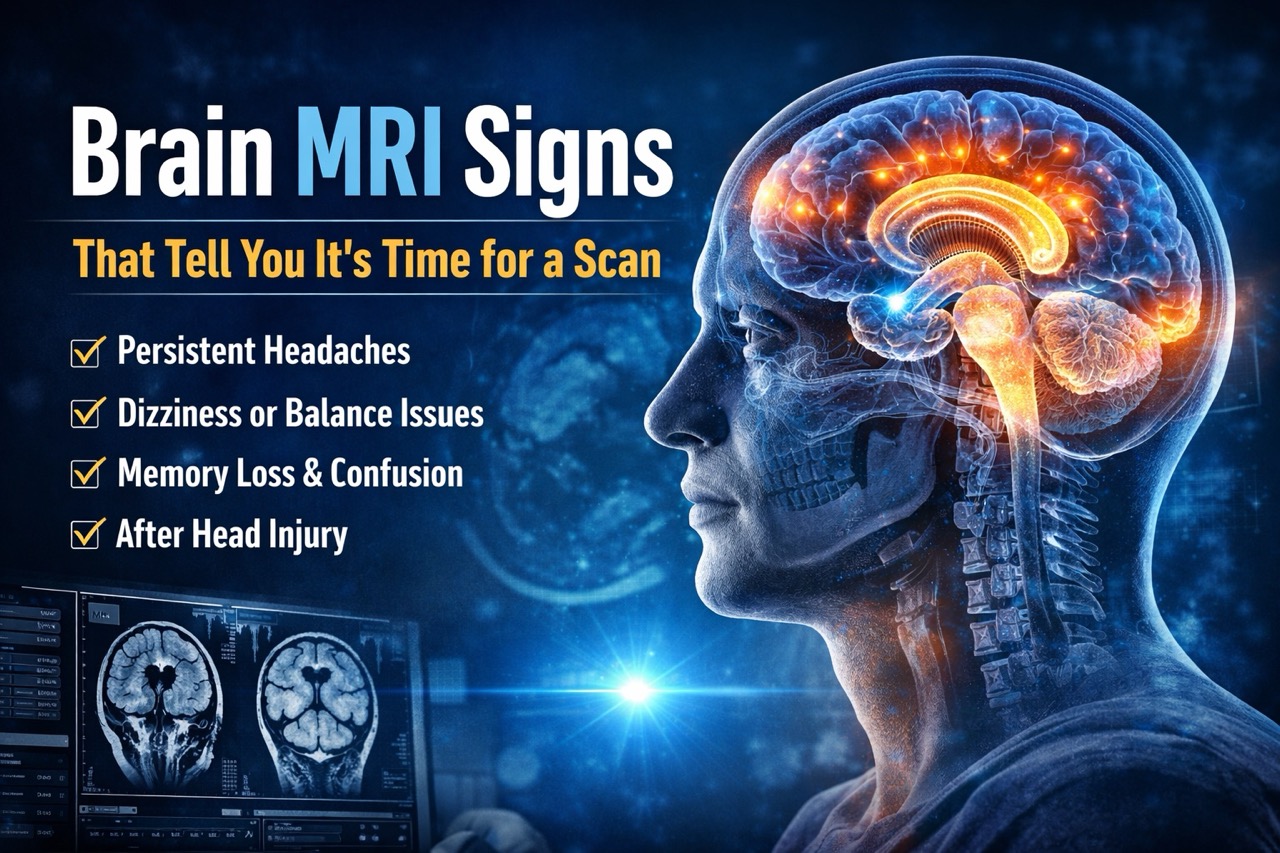
Yes, an MRI Is used for Vertigo. An MRI helps doctors understand what may be causing vertigo by showing detailed images of the brain and inner ear. It reveals the vestibular nerve, which connects the inner ear to the parts of the brain that control balance. Doctors can also see brain tissue, blood vessels, and the cerebellum with clear detail.
An MRI can detect conditions such as vestibular schwannomas, brain tumors near balance nerves, stroke, multiple sclerosis, inner ear inflammation, and acoustic neuromas. It also shows blood vessel issues that may affect balance.
Doctors prefer MRI over CT for vertigo when they suspect a neurological cause. MRI shows soft tissue more clearly and does not expose patients to radiation.
Brain MRI for Dizziness and Balance Problems
An MRI for dizziness helps doctors see problems in the cerebellum or brainstem that affect balance and coordination. It can also detect multiple sclerosis plaques that disrupt nerve signals and create vertigo. Tumors near the cerebellum or vestibular nerve may cause dizziness that slowly gets worse over time.
Moreover, inflammation from infections or autoimmune conditions appears as clear signal changes on a scan. In addition, damage from injuries or degeneration shows up as structural changes. This helps doctors tell whether vertigo comes from the brain or the inner ear.
A neurological MRI becomes important when symptoms point to brain involvement. It also helps rule out serious conditions that need fast treatment to protect long-term health.
When Is a CT Scan Used for Vertigo?
CT scans work faster than MRI and excel at showing bone structures and acute bleeding. Emergency departments use CT to quickly rule out life-threatening conditions when time matters critically. The technology provides rapid answers when stroke symptoms accompany sudden severe vertigo requiring immediate intervention.
Here’s when a CT scan is used for vertigo assessment and diagnosis:
- CT for emergency stroke evaluation – Fast imaging detects bleeding in brain tissue requiring immediate surgical intervention or clot-dissolving medications.
- When bone-related issues must be ruled out – Temporal bone fractures affecting inner ear structures show clearly on CT imaging better than MRI.
- How CT differs from MRI in vertigo assessment – CT shows bone detail and calcifications while MRI reveals soft tissue and nerve damage better.
When You Need Advanced Imaging Like DTI
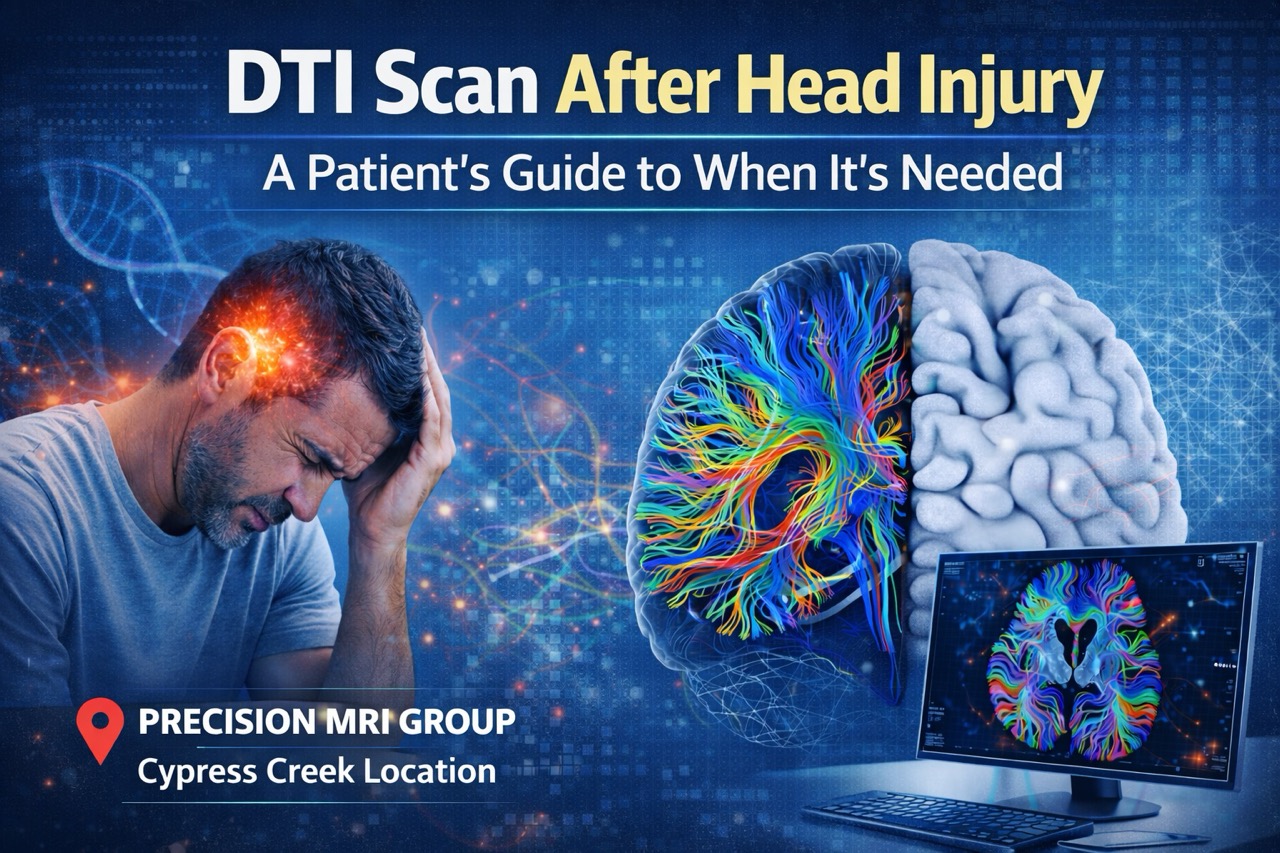
A DTI brain scan for dizziness can detect tiny white matter changes that affect balance after a concussion. This advanced imaging shows nerve pathway problems that a standard MRI cannot see. Microstructural changes in the vestibular pathways help explain lingering dizziness even when routine scans look normal.
When symptoms continue after a normal MRI, a DTI scan may help find subtle injuries. Post-concussion dizziness, balance issues after mild brain injury, and unexplained vertigo often benefit from this test. Moreover, DTI highlights abnormal diffusion patterns linked to balance problems. In addition, it provides clearer answers when patients feel something is wrong despite regular imaging.
Symptoms That Suggest You Need a Scan for Vertigo
Certain vertigo symptoms indicate serious underlying conditions requiring imaging evaluation urgently and immediately. Recognizing warning signs helps you know when dizziness warrants medical attention beyond simple remedies.
Let’s explore the symptoms that should prompt you to seek imaging for proper diagnosis.
Sudden or Severe Dizziness
Abrupt vertigo onset with inability to stand or walk suggests stroke affecting balance centers. Severe spinning accompanied by vomiting, sweating, or rapid heartbeat needs emergency evaluation immediately. Furthermore, sudden dizziness that doesn’t improve within hours warrants urgent imaging to rule out dangerous conditions.
Vertigo with Headache or Vision Changes
Dizziness combined with severe headache may indicate bleeding in your brain requiring immediate treatment. Double vision, blurred vision, or vision loss alongside vertigo suggests brainstem or cerebellar stroke. Moreover, these combinations of symptoms absolutely require emergency imaging to prevent permanent damage or death.
Vertigo After a Head Injury
Any dizziness following head trauma needs evaluation for concussion, bleeding, or brain injury. Persistent vertigo weeks after concussion suggests nerve pathway damage requiring advanced imaging like DTI. Furthermore, post-injury balance problems that worsen over time indicate complications needing medical attention urgently.
Feeling Unsteady or Fainting Episodes
Chronic imbalance with near-fainting spells may indicate reduced blood flow to your brain. Progressive difficulty walking or coordinating movements suggests degenerative brain conditions requiring diagnosis and monitoring. Moreover, unexplained fainting with dizziness warrants comprehensive cardiac and neurological evaluation including brain imaging.
When to Talk to Your Doctor About Getting an MRI for Vertigo
Not all dizziness requires MRI, but certain patterns indicate imaging becomes necessary for diagnosis. Here’s when you should talk to your doctor about getting imaging for your vertigo:
- Persistent dizziness that lasts more than a few days – Ongoing symptoms beyond brief inner ear problems need investigation.
- Unexplained episodes that disrupt balance – Recurring vertigo without clear cause warrants imaging to find answers.
- Symptoms that return after treatment – Vertigo coming back suggests underlying conditions needing further evaluation.
- Concerns about stroke or neurological issues – Family history or risk factors justify imaging to rule out serious problems.
Get Answers for Your Vertigo at Precision MRI Group
Don’t let dizziness control your life when imaging can reveal what’s causing your symptoms. Precision MRI Group offers comprehensive brain imaging including advanced DTI scans at our Cypress Creek location. Our experienced team understands how debilitating vertigo feels and provides compassionate care throughout your visit.
Same-day appointments accommodate urgent evaluation needs when dizziness suddenly worsens or becomes unbearable daily. Board-certified radiologists specializing in neuroimaging interpret your scans with expertise ensuring accurate diagnosis. Furthermore, our 24 to 48-hour result turnaround gets answers to your doctor quickly for treatment.
Schedule your MRI for dizziness today and take the first step toward understanding and treating your vertigo.
Precision MRI Group Locations:
Cypress Creek (DTI Available)
2122 NW 62nd Street, Suite 107, Ft. Lauderdale, FL 33309
Phone: (954) 677-1069, Contact: Latoya Reid (latoya@cypresscreekmri.com)
Additional Locations:
Pembroke Pines
9696 Pines Blvd., Pembroke Pines, FL 33024
Phone: (954) 391-7844, Contact: Amalia (amalia@pinesimagingcenter.com)
Lake Worth
2311 10th Ave N Suite #2 and Suite #1, Lake Worth, FL 33461
Phone: (561) 623-8346, Contact: Marisol (marisol@mriprecision.com)
Port St Lucie
879 E Prima Vista Blvd #2, Port St. Lucie, FL 34952
Phone: (772) 344-7566, Contact: Laura Schwenzer (laura@mriprecision.com)