DTI Scans Reveal Hidden Brain Damage in Post-Concussion Syndrome Patients
Your concussion happened months ago, but you still can’t think clearly at work. Headaches wake you at night, and bright lights trigger dizziness that ruins your day. Doctors say your MRI looks normal, yet you know something is wrong inside your brain.
Post-concussion syndrome affects thousands of Floridians who never fully recover from head injuries. Traditional imaging misses the microscopic damage causing your debilitating symptoms every single day. Furthermore, this invisible injury leaves patients frustrated and searching desperately for answers that validate their experience.
At Precision MRI Group‘s Cypress Creek location, we now offer DTI scans that reveal what standard MRI cannot detect. This advanced technology shows the hidden brain damage behind post-concussion syndrome symptoms clearly. Moreover, accurate diagnosis opens doors to proper treatment and realistic recovery expectations for your future.
What Is Post-Concussion Syndrome?
Post-concussion syndrome develops when concussion symptoms persist beyond the normal three-week recovery period expected. Patients experience ongoing headaches, cognitive problems, mood changes, and dizziness that disrupt daily life. The condition affects up to 30% of people who suffer concussions from sports, accidents, or falls.
Standard medical tests often show nothing wrong despite severe symptoms patients experience every day. This disconnect between normal test results and real suffering creates frustration for patients and doctors. Invisible brain injuries make it hard to get proper treatment, disability support, or legal recognition.
DTI technology finally provides objective evidence of the brain damage causing post-concussion syndrome symptoms. Moreover, this breakthrough helps patients receive the care and validation they desperately need for recovery.
Why Standard MRI Misses Post-Concussion Syndrome Damage
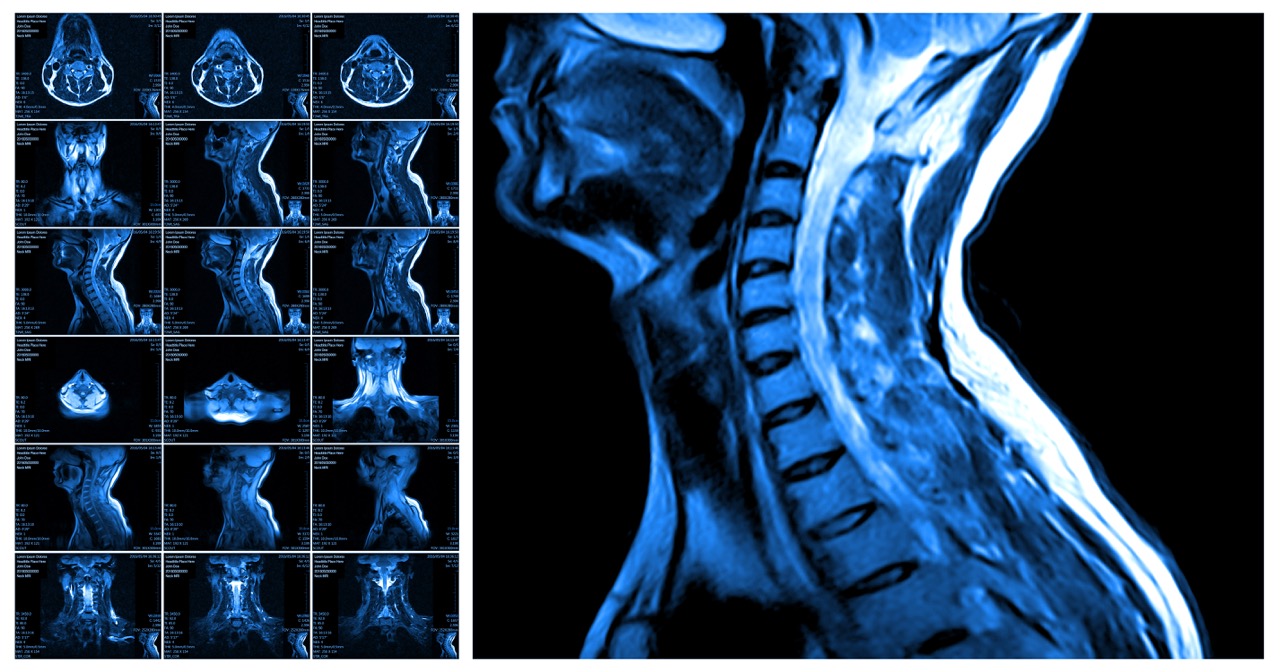
Traditional MRI shows brain structure but cannot detect microscopic nerve fiber damage from concussions. The imaging reveals bleeding, swelling, and tissue destruction but misses subtle white matter injuries. Concussions damage neural connections without destroying enough tissue to appear on conventional scans available.
White matter contains nerve fibers connecting different brain regions for communication and coordinated function. Trauma stretches, tears, or disrupts these microscopic pathways without creating visible structural changes on imaging. Standard MRI resolution isn’t sensitive enough to see individual damaged nerve fibers in white matter.
This limitation explains why many post-concussion syndrome patients have normal MRI results despite real symptoms. DTI scans overcome this problem by measuring water movement along nerve pathways to detect damage. Furthermore, this advanced technique reveals the invisible injuries causing persistent symptoms after concussion occurs.
How DTI Scans Detect Brain Damage
DTI technology tracks how water molecules diffuse through brain tissue along nerve fiber pathways naturally. Healthy nerve fibers guide water movement in organized, predictable directions along their length consistently. Damaged pathways disrupt normal water flow, creating abnormal diffusion patterns DTI can measure and display.
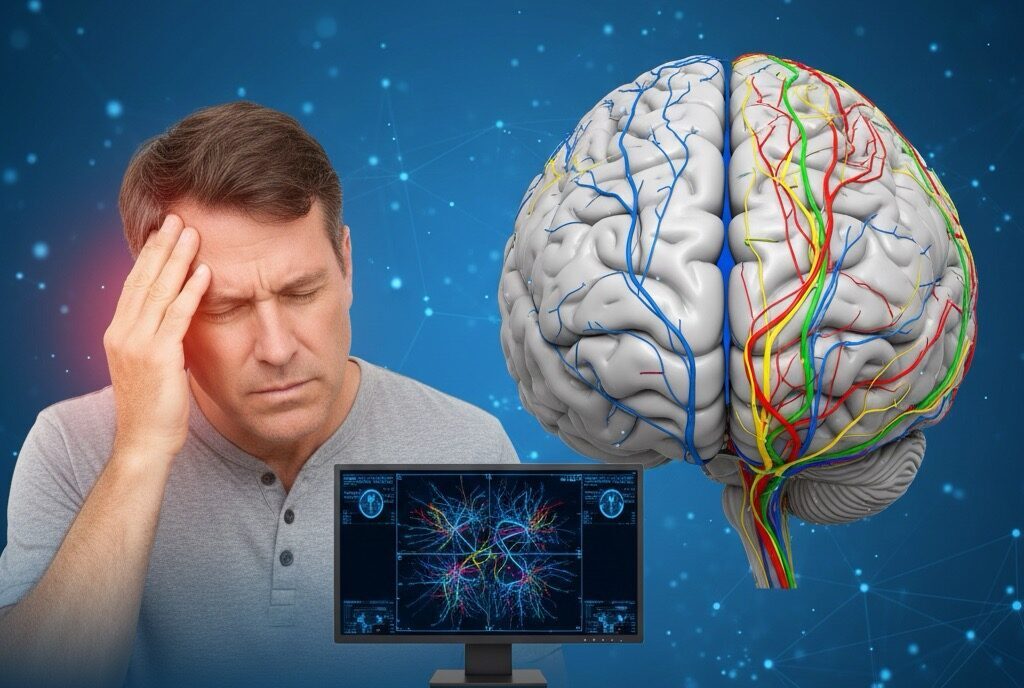
The scan measures water diffusion in at least six different directions throughout the entire brain. Computer analysis creates detailed maps showing white matter pathway integrity with color-coded visualizations clearly. Areas with disrupted nerve fibers appear different from healthy tissue on these specialized images produced.
Radiologists analyze these diffusion maps looking for abnormalities indicating post-concussion syndrome brain damage present. Measurements like fractional anisotropy quantify white matter integrity objectively rather than subjectively assessing images. Moreover, DTI provides concrete evidence of injury when patients need validation and proper treatment plans.
Key Symptoms DTI Helps Explain
Post-concussion syndrome creates diverse symptoms that finally make sense when DTI reveals pathway damage. Understanding which brain connections are disrupted helps explain your specific symptom pattern experienced daily.
Here’s how DTI connects brain damage to common post-concussion syndrome symptoms:
- Persistent headaches and light sensitivity – Damage to visual processing pathways creates overstimulation from normal light levels. Disrupted pain regulation pathways lower your threshold for headache triggers significantly.
- Memory and concentration problems – Injured connections between memory centers prevent proper information storage and retrieval functions. Frontal lobe pathway damage impairs focus and attention needed for work tasks.
- Mood changes and irritability – Limbic system pathway disruption affects emotional regulation causing mood swings and anger. Frontal lobe damage reduces impulse control making irritability worse than before injury.
- Dizziness and balance issues – Vestibular pathway damage disrupts balance information processing in your brain continuously. Cerebellar connection problems create coordination difficulties affecting daily movement and stability.
- Sleep disturbances – Damaged pathways regulating sleep-wake cycles prevent restorative sleep despite exhaustion felt. Disrupted circadian rhythm connections create insomnia and daytime fatigue patterns alternating.
Benefits of DTI for Post-Concussion Syndrome Patients
DTI scans provide multiple advantages for patients struggling with persistent symptoms after concussion injuries. Objective evidence of brain damage validates your experience when others doubt your symptoms are real. Visual proof on imaging helps family members understand you’re not making up or exaggerating problems.
Medical documentation from DTI supports disability claims when post-concussion syndrome prevents working or studying. Legal cases for personal injury or workers’ compensation gain credibility with concrete imaging evidence. Insurance companies are more likely to cover treatment when DTI shows measurable brain damage.
Treatment planning improves when doctors understand which brain pathways need rehabilitation focus most urgently. Therapists design interventions targeting specific damaged connections shown on your DTI scan results. Moreover, realistic recovery expectations emerge from understanding injury severity and location affecting specific brain functions.
DTI Scans Now Available at Precision MRI Group
Precision MRI Group recently upgraded our Cypress Creek facility to offer advanced DTI brain imaging. This enhancement allows South Florida patients to access cutting-edge technology previously unavailable locally for diagnosis. We invested in DTI because too many concussion patients suffer without answers from standard testing.
Our board-certified radiologists specialize in neuroimaging and understand how to interpret DTI findings accurately. Same-day appointments accommodate urgent evaluation needs when symptoms worsen or affect work performance significantly. Late-night and weekend hours work around busy schedules that make daytime appointments difficult to attend.
Free transportation removes barriers for patients experiencing dizziness or vision problems preventing safe driving. Multilingual staff speaking English, Spanish, and Creole ensures clear communication with all patients consistently. Moreover, our 24 to 48-hour result turnaround gets answers to your doctor quickly for treatment.
When to Request DTI for Post-Concussion Syndrome
Certain situations warrant requesting DTI when standard imaging leaves questions unanswered about your condition. Symptoms persisting beyond three months after concussion indicate post-concussion syndrome requiring advanced evaluation needed. Multiple concussions increase risk of cumulative brain damage that DTI can measure and document.
Normal MRI results with severe ongoing symptoms create the perfect scenario for DTI assessment. Work or school performance declining months after injury suggests invisible brain damage affecting cognitive function. Legal cases or disability claims benefit from objective DTI evidence supporting your symptom reports.
Athletes considering return to sports need DTI confirmation that brain pathways have healed sufficiently. Rehabilitation progress stalling despite therapy warrants imaging to understand why recovery has plateaued unexpectedly. Furthermore, DTI helps doctors adjust treatment plans based on actual brain damage rather than assumptions.
Understanding Your DTI Results
DTI reports include detailed measurements of white matter integrity throughout your entire brain comprehensively. Fractional anisotropy values indicate how organized and healthy nerve fiber bundles are in regions. Lower values suggest damage or disruption to pathways in those specific brain areas analyzed.
Color-coded maps display pathway integrity visually, making it easier to understand damage locations clearly. Red and yellow areas show healthy pathways while blue and green indicate damaged regions. Your radiologist’s report explains which pathways are affected and how this relates to symptoms.
Follow-up DTI scans months later track whether damaged pathways are healing or remaining permanently disrupted. Improvement on repeat imaging provides hope and evidence that rehabilitation efforts are working effectively. Moreover, understanding your specific brain damage helps you make informed decisions about treatment and recovery.
Taking Control of Your Recovery
Post-concussion syndrome doesn’t have to remain a mystery when advanced imaging reveals the truth. DTI scans provide the answers you need to move forward with appropriate treatment and support. Don’t accept “normal MRI” as the final answer when symptoms clearly indicate ongoing brain damage.
Talk to your doctor about DTI if you’re struggling with persistent symptoms months after concussion. Precision MRI Group’s Cypress Creek location offers this advanced technology with expert interpretation and fast results. Moreover, our compassionate team understands the frustration of invisible injuries that disrupt your entire life.
Schedule your DTI scan today and finally get the answers you deserve about your brain health.
Precision MRI Group Locations:
Cypress Creek (DTI Available)
2122 NW 62nd Street, Suite 107, Ft. Lauderdale, FL 33309
Phone: (954) 677-1069, Contact: Latoya Reid (latoya@cypresscreekmri.com)
Additional Locations:
Pembroke Pines
9696 Pines Blvd., Pembroke Pines, FL 33024
Phone: (954) 391-7844, Contact: Amalia (amalia@pinesimagingcenter.com)
Lake Worth
2311 10th Ave N Suite #2 and Suite #1, Lake Worth, FL 33461
Phone: (561) 623-8346, Contact: Marisol (marisol@mriprecision.com)
Port St Lucie
879 E Prima Vista Blvd #2, Port St. Lucie, FL 34952
Phone: (772) 344-7566, Contact: Laura Schwenzer (laura@mriprecision.com)