Early Detection: How MRI Detect Cancer Signs Before Symptoms Appear
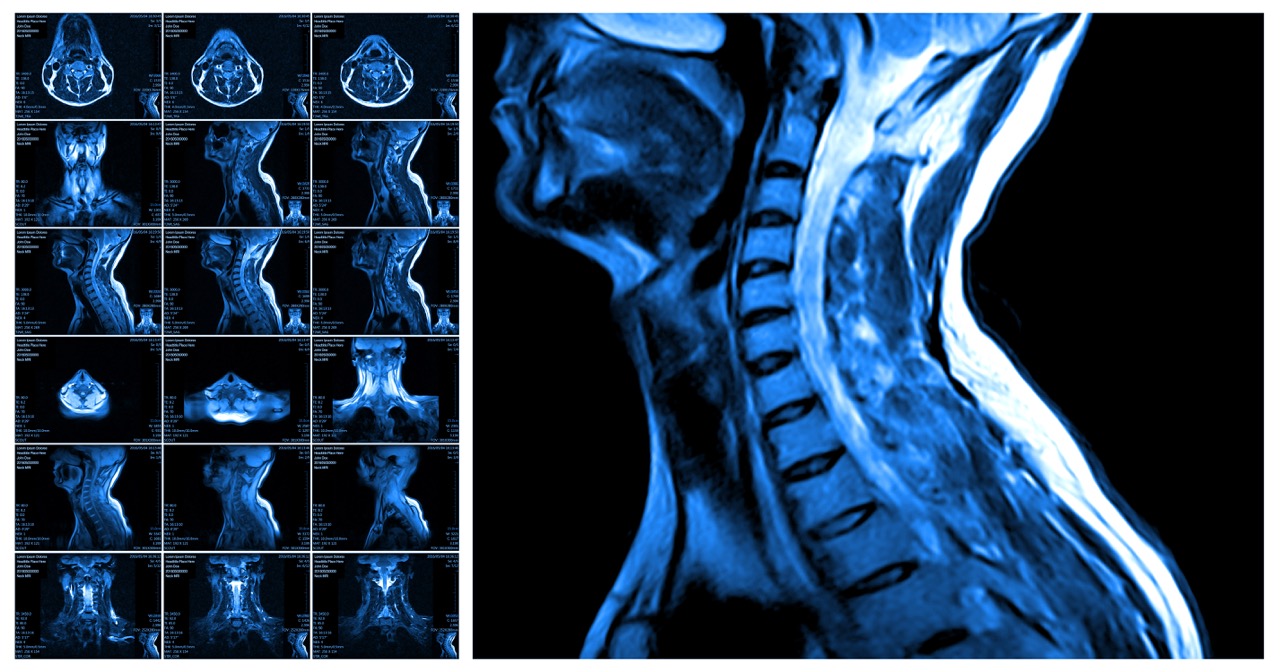
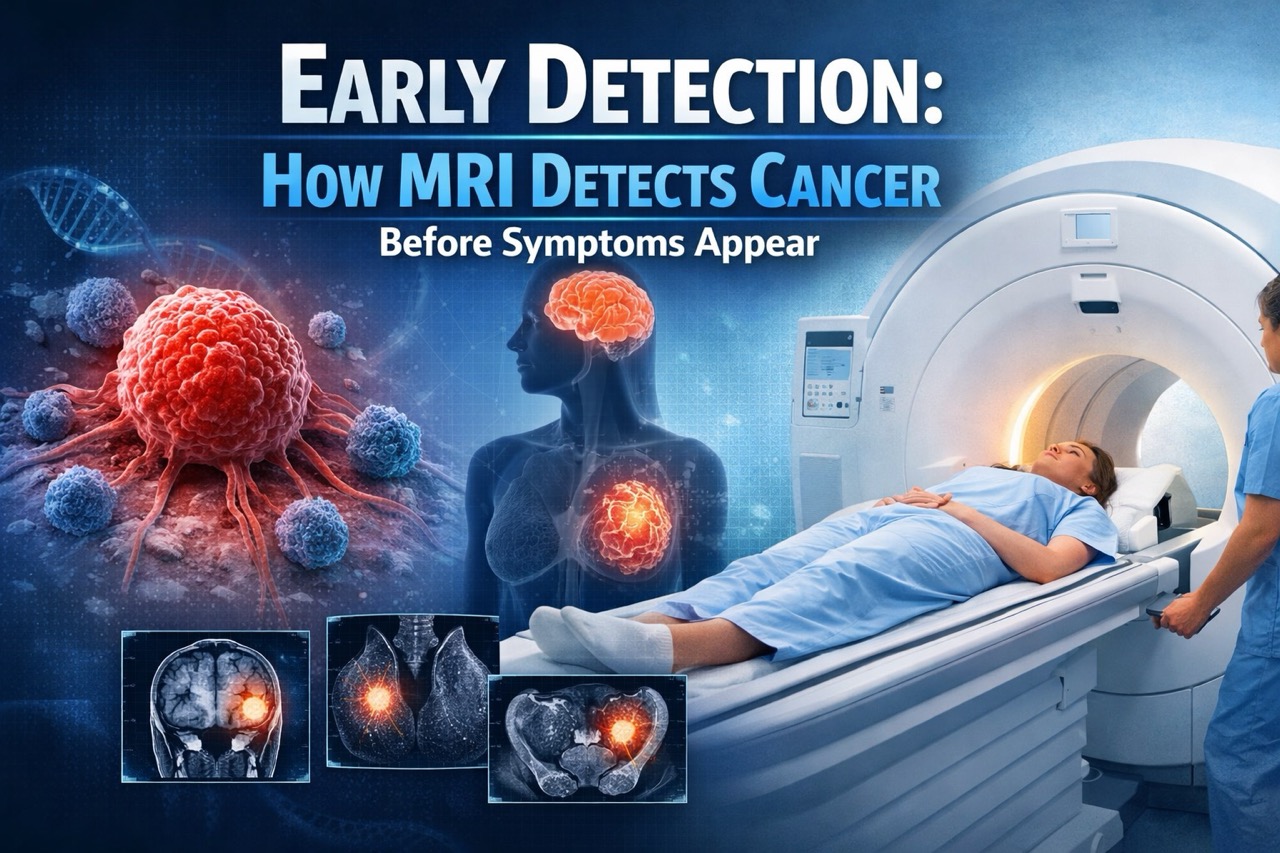
MRI detect cancer by using strong magnets and radio waves to create detailed images of the body. These images help doctors see soft tissue changes much earlier than X-rays. X-rays only show bones, while MRI shows muscles, organs, nerves, and other structures with clear detail. Because of this, MRI detect cancer in areas where small changes can be difficult to see with other tests. Early changes in tissue, swelling, or abnormal growth often appear clearly on MRI scans.
The ability to find cancer also depends on the body part, tumor size, and exact location. Some areas show abnormalities sooner because the soft tissues respond quickly to changes. Precision MRI Group uses high resolution scanners that produce sharper images for better evaluation. These images support accurate diagnosis and help doctors understand what is happening inside the body. As a result, patients receive clearer answers and appropriate follow up. This early information often guides better medical decisions.
Which Cancers MRI Can Detect Early?
MRI detect cancer capabilities work best for certain tumor types and body locations specifically. Brain cancer appears clearly on MRI before symptoms become severe or life-threatening usually. Breast cancer shows up on MRI earlier than mammography in high-risk women consistently.
Prostate cancer detection improved significantly with specialized MRI protocols for accurate staging and diagnosis. Liver tumors and pancreatic lesions appear on MRI when they’re still small and treatable. Cervical and pelvic cancers show characteristic changes that MRI reveals before spread occurs. Bone and spine tumors display signal abnormalities that MRI detect cancer specialists recognize immediately. Furthermore, MRI detect cancer success rates vary by location but generally exceed other imaging methods.
Why MRI Is Better for Some Tumors
MRI shows tissue changes before symptoms appear, allowing earlier intervention and better outcomes always. The technology excels at finding soft tissue cancers that other scans miss completely. Here’s why MRI detect cancer capabilities excel for certain tumor types:
- Detects soft tissue changes – Reveals abnormal cell growth before masses become large or symptomatic.
- Shows inflammation around tumors – Highlights reactive changes in surrounding tissues indicating cancer presence.
- Identifies size, shape, and borders – Provides detailed measurements for treatment planning and staging accuracy.
- Helps monitor growth – Tracks changes over time to assess treatment effectiveness and recurrence risk.
When MRI Is Recommended for Early Cancer Detection
Doctors order MRI when they need detailed evaluation of suspicious areas requiring close examination. High-risk patients with genetic mutations or family history benefit from regular screening MRI. Family history of certain cancers warrants more aggressive surveillance with advanced imaging methods.
Persistent symptoms without clear cause often require MRI to rule out cancer as possible explanation. Follow-up after abnormal blood tests or tumor markers may include MRI for definitive evaluation. When ultrasound or X-ray findings are unclear or concerning, MRI provides additional detail needed.
Screening programs for breast, prostate, and colorectal cancer sometimes incorporate MRI for high-risk individuals. Annual or biannual MRI detect cancer screening helps find tumors when they’re most treatable. Furthermore, early detection through regular imaging saves lives by catching disease before spread occurs.
Can MRI Miss Cancer? Understanding Limitations
MRI detect cancer technology is highly accurate but not perfect in all situations or cases. Some very small lesions under 3-5 millimeters may not be visible on standard protocols. Early-stage cancers without significant tissue changes might not show characteristic signals yet clearly.
MRI detect cancer ability depends on the specific imaging protocol your doctor orders for evaluation. Motion during scanning or metal implants reduce image clarity and can obscure small findings. Patient body size, scan quality, and radiologist expertise all affect detection rates significantly.
Despite limitations, MRI remains one of the most sensitive tools for early cancer detection. Combining MRI with other tests like CT, PET, or biopsy provides the most comprehensive evaluation.
When CT or PET Scans Are Better
CT scans excel at showing lung nodules and detecting calcifications that indicate certain cancers. PET scans reveal metabolic activity that helps distinguish active cancer from scar tissue clearly. Some cancers like lung cancer are better evaluated with CT rather than MRI initially. CT provides faster imaging for emergency situations or unstable patients requiring quick answers always.
Contrast vs Non-Contrast MRI for Cancer Detection
Contrast-enhanced MRI improves accuracy significantly for cancer detection and characterization consistently. The contrast agent enhances blood flow patterns that reveal how tumors receive nutrients. Highlighting abnormal tissue helps radiologists identify small tumors that blend with normal structures otherwise. Contrast MRI helps radiologists determine tumor type, stage, and spread to nearby tissues accurately. Here’s what you need to know about contrast for cancer imaging:
- When contrast is needed – Most cancer detection protocols require contrast for optimal tumor visualization.
- Safety of modern gadolinium – Current contrast agents have excellent safety records with minimal side effects.
- Who may need non-contrast scans – Patients with severe kidney disease may require alternative imaging approaches.
How Precision MRI Group Supports Early Detection
Early cancer detection requires advanced technology combined with expert interpretation for best outcomes. MRI detect cancer services at Precision MRI Group include rapid reporting within 24 to 48 hours. Our board-certified radiologists specialize in oncologic imaging with years of experience in cancer detection.
Short-bore MRI scanners provide comfortable scanning environments that reduce anxiety during longer examinations significantly. Same-day and weekend appointments accommodate urgent evaluation needs when symptoms cause concern quickly. Multilingual staff speaking English, Spanish, and Creole ensures clear communication with all patients consistently.
Free transportation available upon request removes barriers for patients who have difficulty getting appointments. Four convenient South Florida locations in Pembroke Pines, Lake Worth, Cypress Creek, and Port St. Lucie. Furthermore, our streamlined processes ensure you receive the care you need without unnecessary delays.
Signs You May Need an MRI for Possible Cancer Symptoms
Certain symptoms warrant imaging evaluation to rule out cancer as a possible cause. Never ignore persistent symptoms that don’t resolve with time or standard treatments available. Doctors commonly order MRI when patients experience these warning signs:
- Unexplained pain – Persistent pain without clear injury or cause may indicate underlying disease needing evaluation.
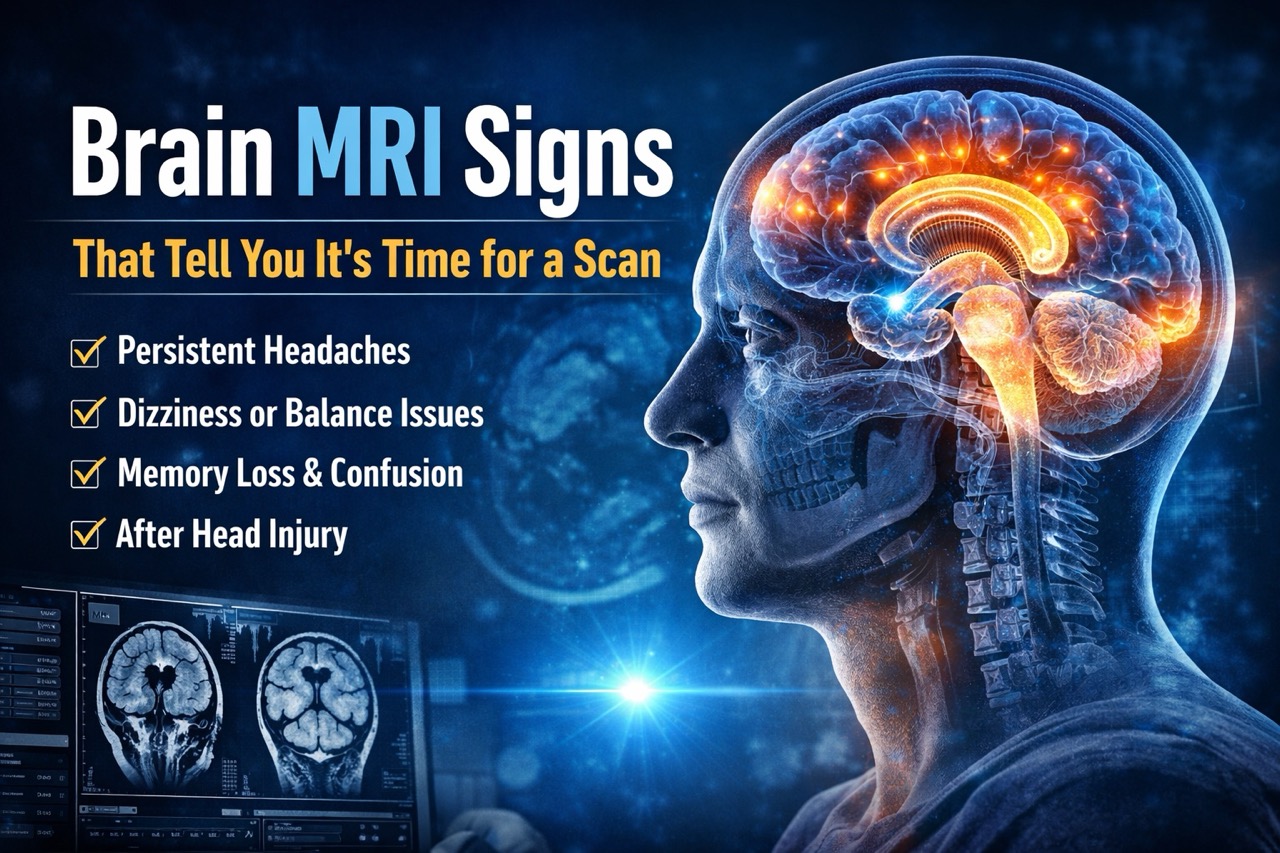
- Persistent headaches – New or worsening headaches, especially with other neurological symptoms, warrant imaging evaluation.
- Weight loss – Unintentional weight loss of 10 pounds or more may signal cancer or serious illness.
- Swelling or mass – Palpable lumps or unexplained swelling require imaging to determine the cause accurately.
- Neurological changes – Weakness, numbness, vision changes, or coordination problems need urgent evaluation and assessment.
- Abnormal blood tests – Elevated tumor markers or abnormal lab results often prompt imaging studies for diagnosis.
What to Expect During Your MRI Scan
MRI detect cancer scans follow a straightforward process designed for patient comfort and safety. You’ll lie on a padded table that slides into the scanner’s opening gently and smoothly. The technologist positions you carefully and provides pillows or cushions for comfort during scanning time.
Headphones with music help reduce scanner noise and make the experience more pleasant overall. Our short-bore scanner design provides more open space than traditional closed machines significantly. The scan typically takes 30 to 60 minutes depending on body areas and sequences needed.
You can communicate with staff through an intercom system throughout the entire procedure always. Precision MRI Group imaging centers in Pembroke Pines, Lake Worth, Cypress Creek, and Port St. Lucie offer the same high-quality experience. Furthermore, our experienced staff ensures you feel informed and comfortable from check-in through completion.
Book Your MRI for Early Cancer Detection
Don’t delay when symptoms or risk factors suggest you need diagnostic imaging evaluation now. Upload your doctor’s order online for convenient scheduling at your preferred location and time. Schedule your scan with flexible appointment times including evenings and weekends for busy schedules.
Get clear cost details upfront with transparent pricing for insurance and self-pay patients always. Receive fast results within 24 to 48 hours so your doctor can plan treatment quickly. MRI detect cancer services at Precision MRI Group combine advanced technology with expert care consistently.
Call, schedule online, or walk in for fast imaging at any of our locations.
Precision MRI Group Locations:
Pembroke Pines
9696 Pines Blvd., Pembroke Pines, FL 33024
Phone: (954) 391-7844, Contact: Amalia (amalia@pinesimagingcenter.com)
Lake Worth
2311 10th Ave N Suite #2 and Suite #1, Lake Worth, FL 33461
Phone: (561) 623-8346, Contact: Marisol (marisol@mriprecision.com)
Cypress Creek
2122 NW 62nd Street, Suite 107, Ft. Lauderdale, FL 33309
Phone: (954) 677-1069, Contact: Latoya Reid (latoya@cypresscreekmri.com)
Port St Lucie
879 E Prima Vista Blvd #2, Port St. Lucie, FL 34952
Phone: (772) 344-7566, Contact: Laura Schwenzer (laura@mriprecision.com)