When to Get a DTI Brain Scan After a Car Accident: Signs to Watch
You walked away from the accident. You felt okay at first. But a few days later, something feels off. Your head hurts. You feel foggy. You cannot focus the way you used to. This is more common than most people realize. Brain injury symptoms do not always appear right away.
Standard MRI scans are helpful. But they do not always catch subtle brain injuries. A DTI scan after a car accident offers a deeper, more detailed look at brain health.
In this blog, we will cover the key signs that you may need one.
What Is a DTI Brain Scan and How Is It Different from a Regular MRI?
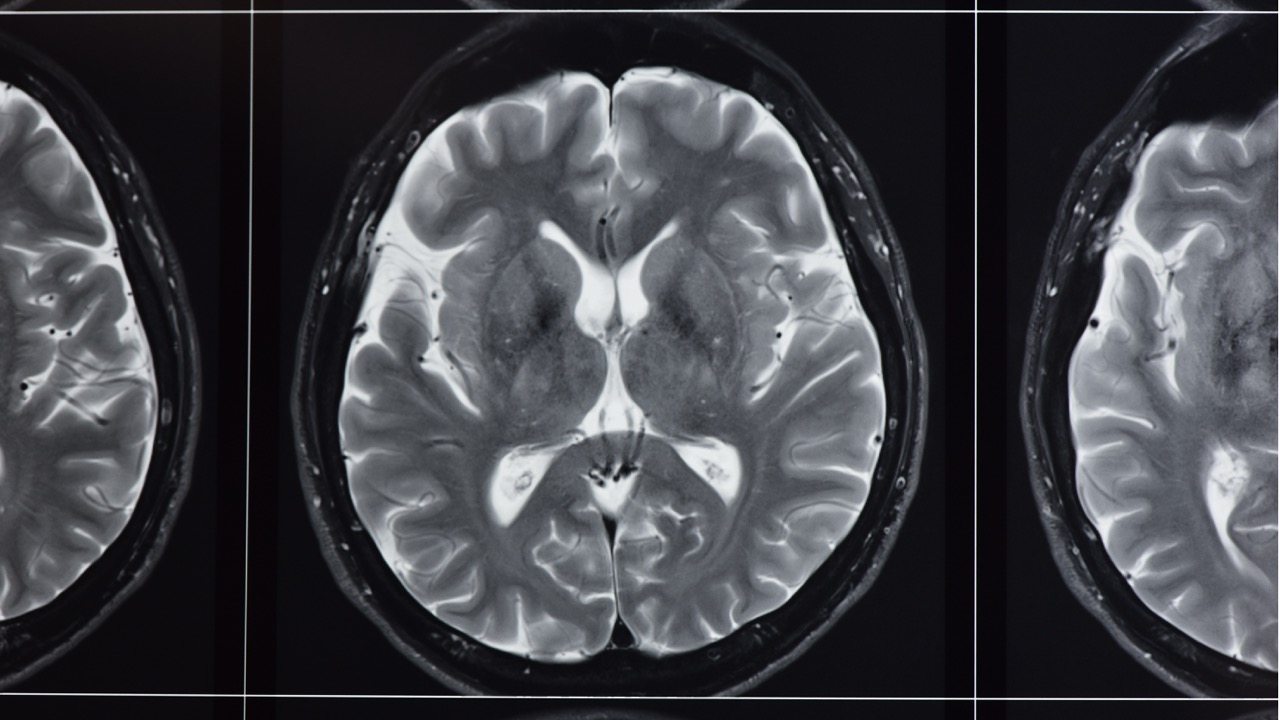
DTI stands for Diffusion Tensor Imaging. It is a specialized type of MRI scan. A regular MRI shows the brain’s structure and tissue. DTI goes further. It maps the white matter pathways inside the brain. These pathways carry signals between different parts of the brain. When they are damaged, communication breaks down.
Car accidents can damage these pathways without causing visible structural changes. Standard MRI will often miss this. DTI detects disruptions in how water moves along nerve fibers. This reveals microscopic damage that other scans cannot see. Doctors recommend DTI when symptoms persist but standard results appear normal.
Common Brain Injuries After a Car Accident
Car accidents often cause hidden brain injuries that may not show right away.
- Concussion: A concussion occurs when the brain is shaken inside the skull. It can happen even without a direct blow to the head.
- Mild Traumatic Brain Injury (mTBI): mTBI is a broader term that includes concussions. It can affect memory, mood, and cognitive function.
- Diffuse Axonal Injury: This occurs when nerve fibers are stretched or torn throughout the brain. It is one of the most serious and hardest-to-detect injuries.
- Post-Traumatic Neurological Symptoms: These include a range of ongoing issues like brain fog, dizziness, and emotional changes that follow a traumatic event.
Key Signs You May Need a DTI Brain Scan After a Car Accident
Some symptoms may seem minor at first but can point to deeper brain issues. If any of the following sound familiar, it is time to consider advanced imaging.
Persistent Headaches That Do Not Go Away
Headaches are one of the most common signs of brain injury after a car accident. Most headaches fade within a day or two. But if yours keep coming back or never fully go away, that is a warning sign. Persistent headaches can indicate nerve pathway disruption inside the brain. A DTI scan can identify whether structural damage is the underlying cause of your ongoing pain.
Memory Problems or Difficulty Concentrating
Do you forget things more often since the accident? Do you struggle to stay focused at work or home? Memory problems and concentration issues are classic signs of brain injury. These symptoms often point to damage in the white matter tracts that support cognitive function. A DTI scan can detect this disruption and give your doctor the information needed to help you.
Dizziness or Balance Issues
Feeling unsteady on your feet after a car accident is not something to brush off. Dizziness and balance problems often mean the brain’s communication pathways are not working correctly. These pathways control coordination and spatial awareness. Standard MRI may not show the cause. A DTI brain scan after a car accident can reveal the nerve damage responsible for these disorienting and dangerous symptoms.
Mood Changes, Anxiety, or Irritability
Have you felt more anxious, irritable, or emotionally reactive since the accident? Mood changes are a common but overlooked sign of brain injury. Damage to specific nerve pathways can affect emotional regulation and mental health. Many patients do not connect these changes to their accident. A DTI scan helps doctors understand whether neurological damage is contributing to the mood shifts you are experiencing.
Sensitivity to Light or Noise
Finding it hard to be in bright rooms or noisy environments after your accident? Heightened sensitivity to light and noise is a recognized symptom of concussion and mTBI. It suggests that the brain is struggling to process sensory information normally. This often points to disruption in white matter pathways. A DTI scan can confirm whether brain connectivity issues are driving this sensitivity and help guide your treatment.
Sleep Disturbances or Fatigue
Trouble sleeping, waking up in the middle of the night, or feeling exhausted despite rest are all potential signs of brain injury. The brain controls sleep cycles through complex neural networks. When those networks are damaged, sleep is affected. Fatigue can also worsen memory, mood, and concentration. If you have struggled with sleep since your accident, a DTI brain scan may help explain why.
What to Do If You Notice These Symptoms
Symptoms after a car accident deserve serious attention. The sooner you act, the better your chances of getting an accurate diagnosis and starting the right treatment.
Here are three important steps to take right away.
- Seek Medical Evaluation Early. Do not wait to see a doctor. Report all your symptoms, even the ones that seem minor. Early evaluation creates a record of your condition and gets the diagnostic process started quickly.
- Track Your Symptoms Daily. Write down what you feel each day. Note the type, timing, and severity of your symptoms. This information helps your doctor see patterns and make better decisions about what imaging or testing you may need.
- Ask About Advanced Imaging Options Like DTI. If your standard MRI comes back normal but symptoms continue, ask your doctor about a DTI brain scan after a car accident. This advanced imaging can find what regular scans miss and give you the answers you deserve.
How a DTI Brain Scan Helps with Diagnosis and Treatment
Early and accurate diagnosis can improve treatment planning. A DTI scan does more than confirm that something is wrong. It shows exactly where the damage is and how severe it may be. It identifies subtle brain damage that standard imaging cannot detect. This gives doctors a clearer picture of your condition.
DTI findings help guide treatment decisions. Doctors can recommend the right therapies based on where brain connectivity is disrupted. The scan also supports documentation for ongoing medical care. This is valuable for long-term treatment tracking. When symptoms persist and answers are unclear, DTI provides the detail needed to move forward with confidence.
Where to Get a DTI Brain Scan in South Florida
Precision MRI Group offers DTI brain scans at our Cypress Creek location. We recently upgraded our MRI machine to support this advanced neuroimaging technology. Our team is experienced, caring, and ready to help you get answers fast.
We offer same-day appointments so you do not have to wait. Reports are delivered within 24 to 48 hours of your scan. We provide late night and weekend scheduling to fit your busy life. Free transportation is available on request for patients who need it.
When to Talk to Your Doctor About a DTI Brain Scan
Not every car accident requires a DTI scan. But there are clear situations where you should bring it up with your doctor. Talk to your doctor if your symptoms last more than a few days after the accident. Do not assume they will go away on their own.
Speak up if your symptoms get worse over time instead of better. That pattern suggests something deeper may be happening. Ask about a DTI brain scan after a car accident if your standard MRI results are normal but you still feel unwell. A normal result does not mean your brain is unaffected. Your symptoms are real. You deserve imaging that can actually see what is happening.
Schedule Your MRI with Precision MRI Group Today
Your brain health is too important to leave unanswered. If you have been in a car accident and something still feels off, do not wait. Precision MRI Group is here to help you find the answers you need.
We make the process simple and stress-free from your very first call. Call us today to book your DTI brain scan.
Precision MRI Group Locations:
Pembroke Pines
9696 Pines Blvd., Pembroke Pines, FL 33024
Phone: (954) 391-7844, Contact: Amalia (amalia@pinesimagingcenter.com)
Lake Worth
2311 10th Ave N Suite #2 and Suite #1, Lake Worth, FL 33461
Phone: (561) 623-8346, Contact: Marisol (marisol@mriprecision.com)
Cypress Creek
2122 NW 62nd Street, Suite 107, Ft. Lauderdale, FL 33309
Phone: (954) 677-1069, Contact: Latoya Reid (latoya@cypresscreekmri.com)
Port St Lucie
879 E Prima Vista Blvd #2, Port St. Lucie, FL 34952
Phone: (772) 344-7566, Contact: Laura Schwenzer (laura@mriprecision.com)