When Should I Get a Cervical MRI?
Your neck throbs constantly, making it painful to look over your shoulder while backing out of driveways. Turning your head to check blind spots sends sharp pain shooting down your arm into your fingers. You’ve tried everything from heating pads to pain pills, but nothing provides lasting relief anymore.
Neck pain affects millions of Floridians who wonder if something serious is causing their symptoms daily. The uncertainty about whether you need imaging creates anxiety that makes every twinge feel worse. Moreover, knowing when to get a cervical MRI helps you stop suffering and start healing faster.
This complete guide explains exactly when cervical spine imaging becomes necessary for proper diagnosis. Furthermore, you’ll learn what symptoms require immediate attention and how early imaging prevents complications.
What Is a Cervical MRI and What Does It Show?
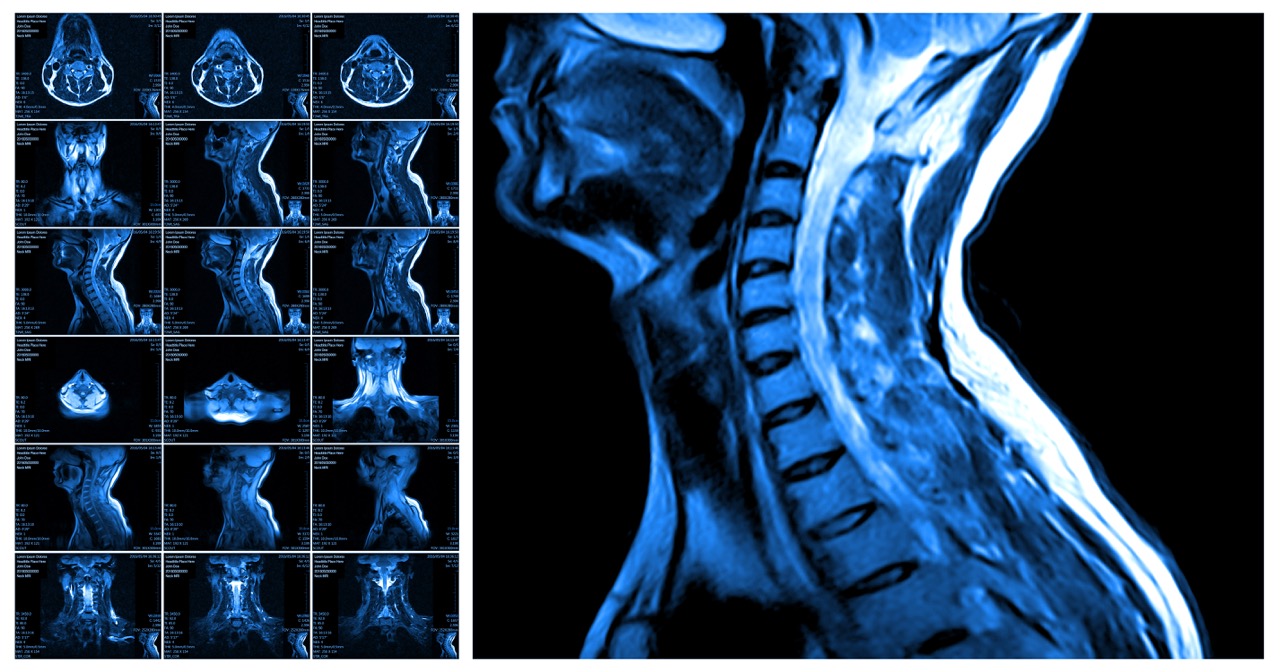
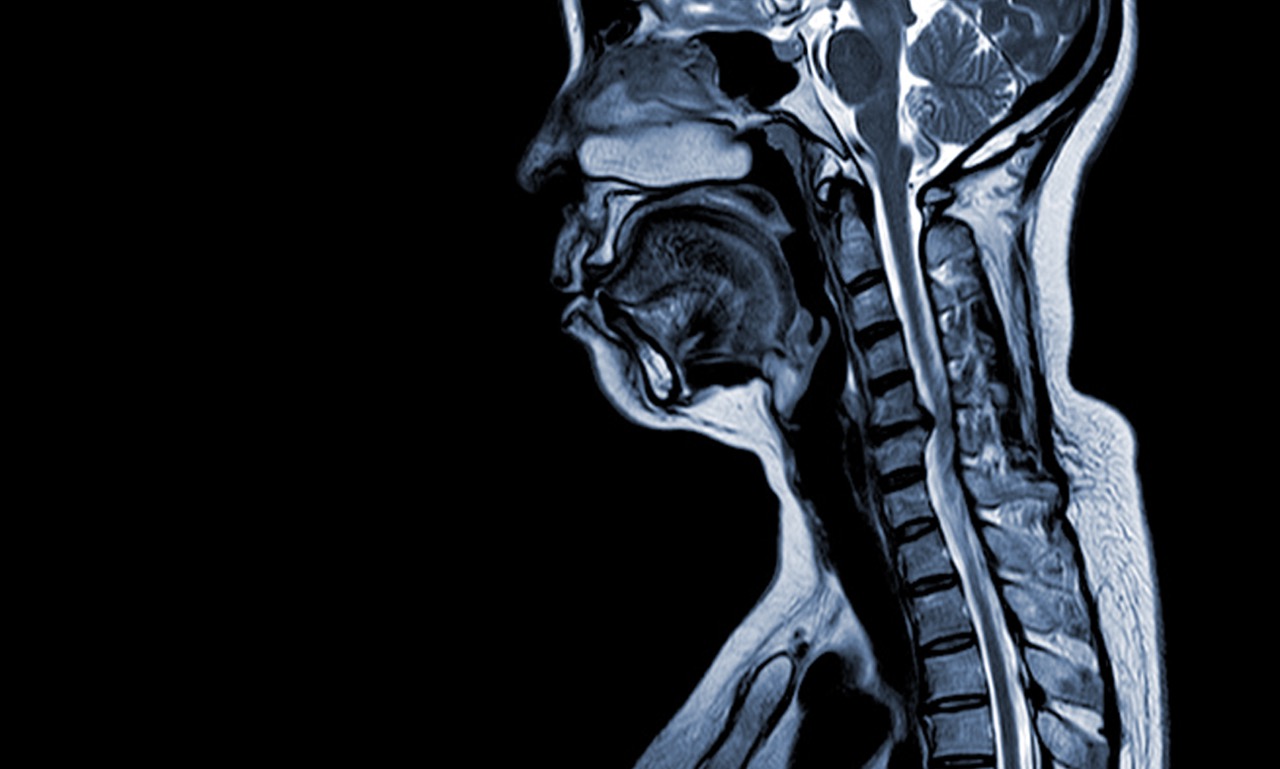
A cervical MRI creates detailed pictures of your neck’s bones, discs, nerves, and soft tissues. The cervical spine includes seven vertebrae from the base of your skull to your upper back. MRI captures images of spinal discs cushioning vertebrae, nerves exiting at each level, and muscles.
MRI technology uses magnetic fields and radio waves to show structures invisible on X-rays completely. The imaging reveals herniated discs, pinched nerves, spinal cord compression, and ligament damage clearly. Soft tissue detail on cervical MRI exceeds what CT scans or X-rays can provide reliably.
MRI is preferred for detailed spinal imaging because it shows problems causing your symptoms accurately. Furthermore, this technology guides treatment decisions by revealing exactly what’s damaged inside your neck.
Common Symptoms That Mean You May Need a Cervical MRI
Certain warning signs indicate your neck problem requires imaging rather than just rest and medication. Recognizing these symptoms helps you know when to push your doctor for proper diagnostic testing. Let’s look at the common symptoms that mean you may need a cervical MRI.
Persistent Neck Pain That Does Not Improve
Neck pain lasting more than six weeks suggests structural damage beyond simple muscle strain. Chronic discomfort despite physical therapy, medication, and rest warrants imaging evaluation immediately. MRI for neck pain reveals herniated discs, arthritis, or other conditions causing persistent symptoms. Furthermore, continued pain without improvement indicates something needs medical intervention beyond conservative treatment approaches.
Radiating Pain, Numbness, or Tingling in Arms
Pain shooting from your neck down into shoulders, arms, or hands signals nerve compression. Tingling or numbness in fingers indicates cervical nerve roots are being pinched or irritated. Cervical spine MRI shows exactly which disc or bone spur is pressing on nerves. Moreover, these neurological symptoms require imaging to prevent permanent nerve damage from occurring.
Weakness in Hands or Grip Strength
Difficulty gripping objects, opening jars, or holding items suggests nerve damage affecting muscle function. Progressive weakness in arms or hands indicates serious nerve compression requiring urgent evaluation. MRI reveals whether herniated discs, spinal stenosis, or tumors are causing weakness symptoms. Furthermore, early intervention prevents permanent muscle atrophy from prolonged nerve compression.
Limited Neck Movement or Stiffness
Severe stiffness preventing normal head turning or tilting may indicate disc problems or arthritis. Inability to move your neck through full range of motion suggests structural damage needing diagnosis. MRI shows disc degeneration, facet joint arthritis, or ligament damage limiting movement safely. Moreover, progressive stiffness that worsens over time requires imaging to identify the underlying cause.
Red Flags That Require Immediate Cervical MRI Imaging
Certain symptoms accompanying neck pain demand urgent medical attention and emergency imaging evaluation. These red flags indicate potentially life-threatening conditions requiring immediate intervention to prevent permanent damage.
Here are the critical warning signs requiring immediate cervical MRI:
- Sudden severe neck pain after trauma – May indicate fracture, dislocation, or spinal cord injury
- Loss of bladder or bowel control – Suggests severe spinal cord compression requiring emergency surgery
- Progressive weakness in arms or legs – Indicates advancing nerve damage that can become permanent
- Fever with neck pain and stiffness – May signal dangerous infections like meningitis or abscess
- Severe headache with confusion – Could indicate bleeding in brain or spine requiring immediate care
Conditions Diagnosed With a Cervical Spine MRI
Cervical MRI identifies numerous conditions causing neck pain and neurological symptoms that disrupt daily life. Understanding what imaging can reveal helps you appreciate its diagnostic value for treatment. Let’s explore the conditions diagnosed with a cervical spine MRI.
Herniated or Bulging Discs
Herniated discs occur when the soft inner material pushes through the tough outer disc layer. This herniated material presses on nearby nerves, creating radiating pain down arms and hands. MRI shows disc herniation location, size, and which nerves are being compressed specifically. Furthermore, imaging guides decisions about injections, physical therapy, or surgical intervention needed.
Spinal Cord Compression
Spinal stenosis narrows the canal surrounding your spinal cord, creating dangerous compression over time. Bone spurs, ligament thickening, or herniated discs can squeeze the spinal cord severely. MRI reveals compression severity and helps doctors determine if surgery is necessary immediately. Moreover, untreated spinal cord compression can cause permanent paralysis or disability.
Degenerative Disc Disease and Arthritis
Degenerative disc disease causes discs to lose height, water content, and cushioning ability gradually. Cervical arthritis creates bone spurs that narrow spaces where nerves exit the spine. MRI shows disc degeneration stages and arthritis severity affecting your neck joints significantly. Furthermore, early detection allows conservative treatments before conditions progress to requiring surgery.
Tumors, Infections, or Inflammation
Spinal tumors, whether benign or cancerous, show up clearly on cervical MRI imaging. Infections like osteomyelitis or epidural abscess create inflammation visible on detailed scans. Autoimmune conditions causing spinal cord inflammation appear as signal changes on MRI. Moreover, early detection of these serious conditions dramatically improves treatment success rates.
When Doctors Recommend a Cervical MRI After Injury or Accident
Trauma to the neck from accidents or falls often requires imaging to assess internal damage. Even when X-rays look normal, soft tissue injuries may cause ongoing symptoms and complications. Cervical MRI reveals injuries invisible on initial emergency imaging performed at hospitals or clinics.
Here’s when imaging becomes necessary after neck trauma:
- Car accidents or whiplash injuries – Hidden disc herniation or ligament tears causing delayed symptoms
- Sports injuries involving the neck – Contact sports create nerve damage needing evaluation for safety
- Falls or sudden trauma – Fractures, disc damage, or spinal cord injury requiring diagnosis
- Ongoing pain after initial treatment – Persistent symptoms suggesting missed injuries on initial evaluation
Cervical MRI vs X-ray or CT Scan: Which Is Better for Neck Pain?
Different imaging tests provide different information about your cervical spine and neck structures. X-rays show bone alignment and can detect fractures, but they miss soft tissue problems. CT scans provide excellent bone detail and work faster for emergency trauma evaluation situations.
Cervical MRI excels at soft tissue and nerve evaluation that other tests cannot match. The imaging shows disc herniation, nerve compression, spinal cord problems, and ligament damage clearly. X-rays work well for bone alignment assessment but cannot reveal disc or nerve issues.
CT scans excel at showing fractures and bone detail for surgical planning when needed. MRI provides deeper diagnostic clarity for most neck pain causes involving discs and nerves. Furthermore, MRI guides treatment decisions by showing exactly what structures need intervention or repair.
How Early Cervical MRI Helps Prevent Long-Term Complications
Getting imaging promptly when symptoms appear prevents minor problems from becoming permanent disabilities over time. Early detection of nerve damage allows intervention before permanent numbness or weakness develops. Prompt diagnosis enables faster treatment planning that addresses root causes rather than just symptoms.
Identifying problems early reduces risk of chronic pain or disability that affects quality of life. Delayed diagnosis allows conditions like herniated discs to worsen, potentially requiring more aggressive treatment. Furthermore, early cervical MRI establishes baseline documentation useful for tracking progression over time.
When Should You Talk to Your Doctor About a Cervical MRI?
Knowing when to request imaging helps you advocate for appropriate diagnostic testing with your physician. Not all neck pain requires MRI, but certain patterns indicate imaging becomes necessary.
Discuss cervical MRI with your doctor when you experience:
- Symptoms lasting more than a few weeks – Persistent pain suggesting structural damage beyond muscle strain
- Worsening pain or neurological changes – Progressive symptoms indicating advancing nerve or spinal cord compression
- Concerns after injury or trauma – Ongoing discomfort following accidents requiring evaluation for hidden damage
- When other tests do not provide answers – Normal X-rays with severe symptoms warranting advanced imaging
Get Clear Answers for Your Neck Pain Today
Stop suffering with uncertainty when cervical MRI can reveal exactly what’s wrong with your spine. Precision MRI Group offers same-day appointments at four convenient South Florida locations for fast answers. Our board-certified radiologists deliver expert interpretations within 24 to 48 hours for quick treatment decisions.
Advanced imaging technology combined with compassionate care makes your experience comfortable and stress-free throughout. Don’t let neck pain control your life when answers are available quickly and affordably.
Schedule your cervical MRI at Precision MRI Group today and get fast, accurate imaging designed to support your recovery and comfort.
Precision MRI Group Locations:
Cypress Creek (DTI Available)
2122 NW 62nd Street, Suite 107, Ft. Lauderdale, FL 33309
Phone: (954) 677-1069, Contact: Latoya Reid (latoya@cypresscreekmri.com)
Pembroke Pines
9696 Pines Blvd., Pembroke Pines, FL 33024
Phone: (954) 391-7844, Contact: Amalia (amalia@pinesimagingcenter.com)
Lake Worth
2311 10th Ave N Suite #2 and Suite #1, Lake Worth, FL 33461
Phone: (561) 623-8346, Contact: Marisol (marisol@mriprecision.com)
Port St Lucie
879 E Prima Vista Blvd #2, Port St. Lucie, FL 34952
Phone: (772) 344-7566, Contact: Laura Schwenzer (laura@mriprecision.com)