Understanding Movement During MRI Scans and How It Affects Image Quality
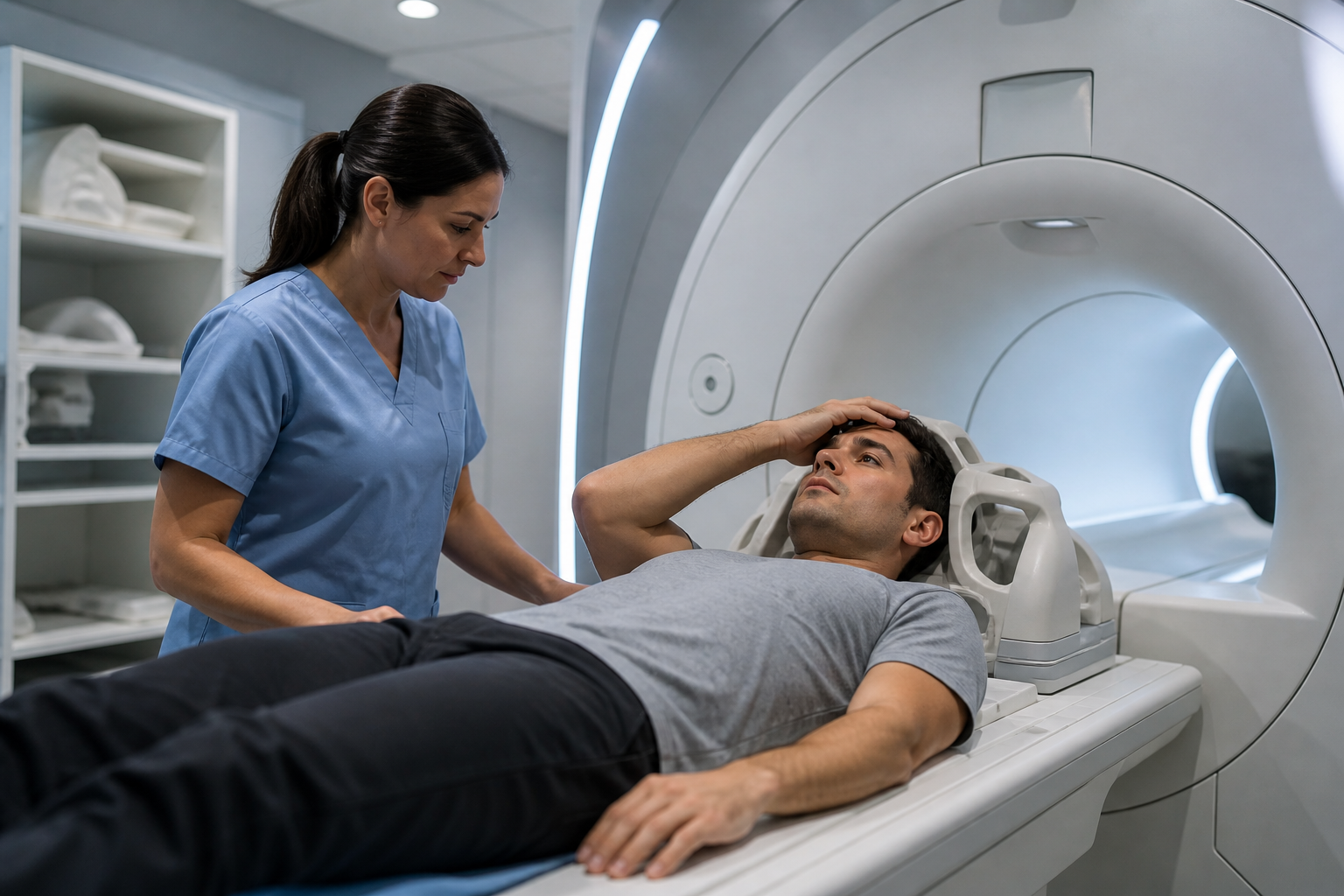
Many patients ask, “What happens if I move during my MRI scan?” This common concern affects nearly everyone scheduled for imaging, especially first-time patients feeling nervous. Understanding what movement does to your MRI helps reduce anxiety about the procedure significantly.
Movement during MRI can blur images and extend your total scan time unexpectedly and unnecessarily. Small movements like breathing are normal and expected during most scanning sequences performed. However, larger movements require technologists to repeat certain sequences for clear diagnostic images needed.
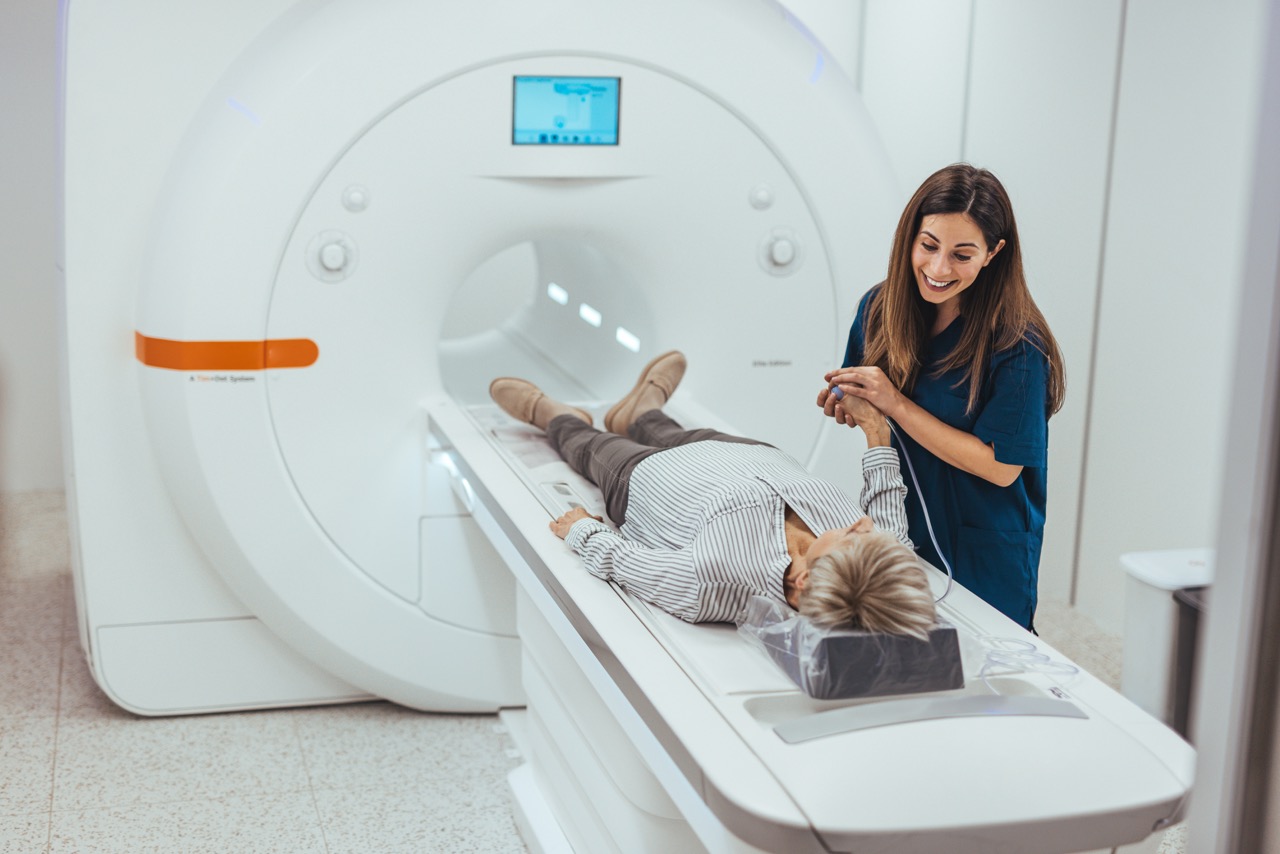
At Precision MRI Group, we understand that staying completely still feels challenging for many patients. Our experienced staff provides guidance, comfort measures, and support throughout your entire scanning experience. Furthermore, our short-bore MRI design and patient-focused approach help you remain comfortable and still. Advanced technology captures images quickly, reducing the time you need to stay motionless overall.
Why Staying Still Matters During an MRI
MRI technology uses powerful magnetic fields and radio waves to create detailed body images. The scanner captures hundreds of pictures from different angles during your examination time. Each image requires precise measurements that motion can disrupt and blur significantly with artifacts.
Movement during MRI affects image clarity by creating streaks, shadows, or distortions on pictures. Even small movements like swallowing or shifting weight can impact certain sensitive body areas. Brain and spine imaging require exceptional stillness because these structures need precise detail always.
Radiologists depend on crystal-clear images to diagnose conditions accurately and confidently for treatment. Blurry pictures make it difficult to see small abnormalities that might be important. Furthermore, staying still during your scan ensures you don’t need to return for repeat imaging.
What Happens When You Move Inside the MRI Machine?
Movement creates several challenges that affect both image quality and your total scanning time. Understanding these impacts helps you appreciate why technologists emphasize staying still throughout procedures consistently.
Blurry or Distorted Images
Movement during MRI causes motion artifacts that blur the scan like a photograph taken while moving. These artifacts create streaks across images that obscure important anatomical details radiologists need. Even small movements can significantly impact certain areas like the brain or delicate joints.
Breathing motion affects chest and abdominal scans unless special techniques compensate for movement. Head movements during brain imaging create particularly problematic artifacts that hide small abnormalities. Furthermore, motion artifacts can mimic medical conditions, leading to confusion during interpretation processes.
Need for Repeat Imaging
Radiologists reviewing your images may request technologists retake certain sequences when movement occurs. The technologist pauses scanning, repositions you carefully, and repeats affected sequences for clarity. This process extends your total scan time by 10 to 20 minutes typically.
Multiple movements require multiple repeat sequences, significantly extending your time inside the scanner. Longer scanning times increase discomfort and anxiety, making it harder to stay still. Furthermore, repeat imaging delays when your doctor receives results and starts treatment planning.
Impact on Diagnostic Accuracy
Poor image quality from movement during MRI may hide small tumors, tears, or fractures. Blurry pictures can make normal structures appear abnormal, leading to unnecessary worry or testing. Staying still ensures clear, reliable results that doctors trust for accurate diagnosis completely.
Diagnostic accuracy depends entirely on image quality that movement compromises significantly and unavoidably. Clear images lead to confident diagnoses and appropriate treatment plans for your condition. Furthermore, quality imaging prevents misdiagnosis and unnecessary procedures that waste time and money.
Common Reasons Patients Move During an MRI
Understanding why people move helps you prepare mentally and physically for your scanning experience. Many movement triggers can be minimized with proper preparation and communication with staff.
Anxiety or Claustrophobia
Fear of enclosed spaces causes some patients to move involuntarily during scanning procedures. Anxiety creates muscle tension that makes staying still for extended periods extremely difficult. Racing thoughts and panic responses trigger movements that patients can’t always control consciously.
Communicating anxiety concerns before scanning allows staff to provide extra support and reassurance. Furthermore, breathing exercises and visualization techniques help many anxious patients remain calm and still.
Discomfort in the Same Position
Lying motionless for 30 to 45 minutes creates discomfort in joints and muscles. Back pain, shoulder tension, or hip discomfort makes holding one position increasingly challenging. Small position adjustments feel necessary but compromise image quality when they occur during sequences.
Proper positioning with cushions and supports prevents much discomfort before it starts occurring. Furthermore, technologists can provide brief breaks between sequences when absolutely necessary for comfort.
Unexpected Noises
MRI machines make loud knocking, buzzing, and tapping sounds that startle unprepared patients. Sudden noise changes cause reflexive movements that blur images currently being captured during sequences. First-time patients particularly struggle with unexpected sounds that seem alarming or concerning initially.
Headphones with music or earplugs reduce noise significantly and make scanning more pleasant. Knowing what sounds to expect helps patients remain calm when loud noises occur. Furthermore, communication through headphones allows technologists to warn about upcoming loud sequences ahead.
Difficulty Holding Breath for Required Sequences
Some chest and abdominal scans require holding your breath for 15 to 20 seconds. Patients with breathing problems find these sequences particularly challenging to complete successfully without movement. Running out of breath causes involuntary gasping that ruins the image sequence completely.
Practice holding your breath before your appointment to build confidence and endurance effectively. Technologists provide clear instructions and countdowns to help you time breath-holds perfectly. Furthermore, multiple attempts are allowed when breath-holding proves difficult initially for patients.
How Precision MRI Group Helps You Stay Comfortable and Still
At Precision MRI Group, we’ve designed our facilities and processes around patient comfort always. Our experienced team understands that staying still requires both physical comfort and mental calmness. We provide comprehensive support that makes remaining motionless easier for everyone during scanning.
Here’s how we help ensure your comfort and stillness during imaging:
- Gentle and Professional Staff – Friendly technologists guide patients step by step with clear, reassuring instructions that reduce anxiety significantly.
- Comfortable Imaging Environment – Supportive positioning tools and patient-focused setup ensure physical comfort throughout your entire scan duration.
- Flexible Scheduling and Short Wait Times – Patients are not rushed and have time to relax before the scan begins on schedule.
- Fast and Efficient Imaging Technology – Modern 1.5 Tesla MRI systems shorten scan duration, reducing time you need to stay still.
- Free Transportation and Multilingual Support – Helps patients arrive calm and prepared with clear understanding of what to expect.
Tips for Staying Still During Your MRI Scan
Simple strategies help most patients remain motionless throughout their scanning procedure successfully and comfortably. Preparation before entering the scanner makes staying still significantly easier during the examination.
Here are proven tips for remaining still during your MRI:
- Practice Deep Breathing Before Entering – Calm breathing reduces anxiety and helps you relax into stillness naturally.
- Close Your Eyes to Reduce Claustrophobia – Not seeing the scanner’s interior helps many patients feel less confined.
- Ask for Blankets or Additional Support – Extra cushions prevent discomfort that causes involuntary position adjustments during scanning.
- Communicate with the Technician Anytime – Tell staff immediately if you feel uncomfortable or need assistance during scanning.
- Use Ear Protection for Loud Sounds – Headphones with music or earplugs reduce startle responses from unexpected noises.
What if You Accidentally Move During the Scan?
Accidentally moving during your MRI is common and happens to many patients regularly throughout the day. Movement doesn’t harm you or damage the expensive MRI machine in any way. The technologist monitoring you will notice movement and may pause scanning briefly if needed.
Minor movements might not affect your particular scan depending on the body area imaged. The technologist may choose to continue scanning if movement was minimal and brief. However, significant movement requires repeating a few sequences to ensure image clarity for diagnosis.
Repeating sequences adds only 5 to 15 minutes to your total scanning time typically. No harm comes to you physically from needing repeat imaging for better picture quality. Furthermore, technologists remain patient and supportive, understanding that staying still is genuinely difficult for many.
When to Consider Sedation or Open MRI Options
Severe anxiety or certain medical conditions may make staying still virtually impossible despite best efforts. Patients with chronic pain conditions struggle to remain in one position for extended periods. Children and patients with movement disorders often need additional support for successful scanning completion.
Discussing comfort concerns with your doctor before scheduling helps identify appropriate solutions beforehand. Some facilities offer mild sedation to help extremely anxious patients relax during scanning procedures. Open MRI machines provide more space and may help claustrophobic patients feel comfortable enough.
Precision MRI Group’s short-bore design offers more openness than traditional closed MRI machines. Furthermore, our staff works with you to find solutions that ensure successful imaging completion.
Clear MRI Images Lead to Better Care
Image quality directly impacts how well doctors can diagnose your condition and plan treatment. Clear, detailed pictures show abnormalities that blurry images might hide or distort significantly. Radiologists depend on sharp images to distinguish between normal variations and actual medical problems.
Precision MRI Group’s advanced 1.5 Tesla imaging technology helps providers create accurate treatment plans. Our board-certified radiologists deliver reports within 24 to 48 hours using the clearest images. Quality diagnostic imaging leads to confident diagnoses and appropriate care for better health outcomes. Furthermore, staying still during your scan directly contributes to your own healthcare quality and success.
Schedule Your MRI With Precision MRI Group
Don’t let anxiety about movement prevent you from getting the diagnostic imaging you need. Precision MRI Group offers same-day appointments, late evening hours, and weekend availability for your convenience. Our experienced staff helps you stay comfortable and still throughout your entire scanning experience.
Fast results within 24 to 48 hours mean you get answers quickly for treatment planning. Free transportation upon request removes barriers to getting essential diagnostic imaging when needed. Contact us today to schedule your MRI at any of our four convenient South Florida locations.
Precision MRI Group Locations:
Pembroke Pines
9696 Pines Blvd., Pembroke Pines, FL 33024
Phone: (954) 391-7844, Contact: Amalia (amalia@pinesimagingcenter.com)
Lake Worth
2311 10th Ave N Suite #2 and Suite #1, Lake Worth, FL 33461
Phone: (561) 623-8346, Contact: Marisol (marisol@mriprecision.com)
Cypress Creek
2122 NW 62nd Street, Suite 107, Ft. Lauderdale, FL 33309
Phone: (954) 677-1069, Contact: Latoya Reid (latoya@cypresscreekmri.com)
Port St Lucie
879 E Prima Vista Blvd #2, Port St. Lucie, FL 34952
Phone: (772) 344-7566, Contact: Laura Schwenzer (laura@mriprecision.com)